
Liverpool is full of the kind of people who go out on a Monday and couldn’t care less about Tuesday morning.
– George Harrison
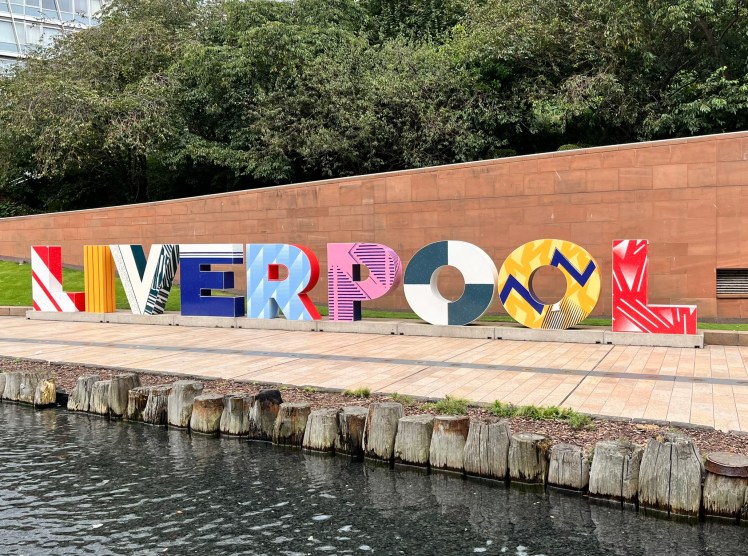
Reid and I spent ten weeks in the United Kingdom’s fourth largest metropolitan area. And while it isn’t as big as London, Liverpool has a lot to offer – for short trips or longer stays like ours. So, to inspire your next trip to this wonderful city we’re sharing our Top 10 list of things to do in Liverpool along with a few honorable mentions worthy of note:
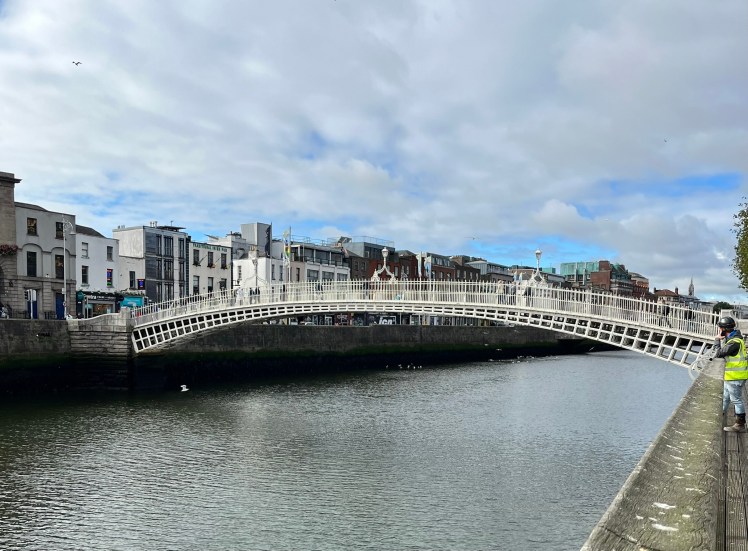
A long weekend in Dublin is hard to pass up with cheap flights for the 40-minute flight from Liverpool available on Ryanair.
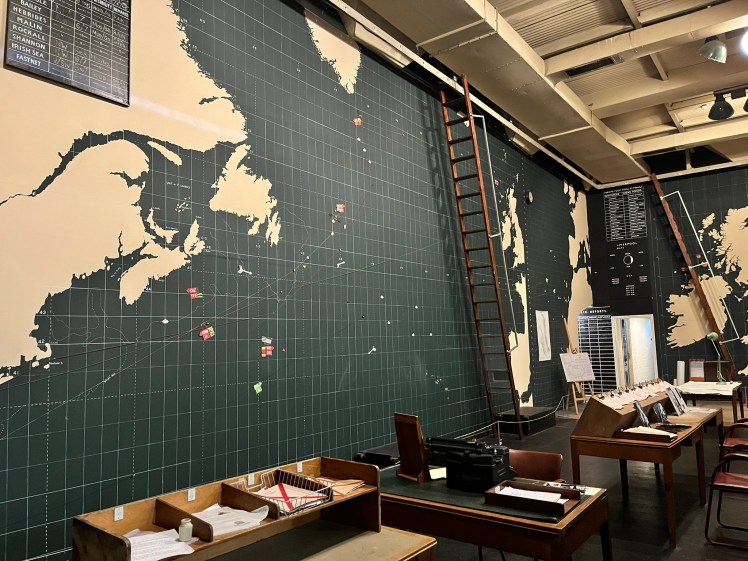
The Western Approaches Museum is a fascinating look into the WWII bunker where the Allies monitored ships traveling across the North Atlantic trying to evade deadly German U-boats.
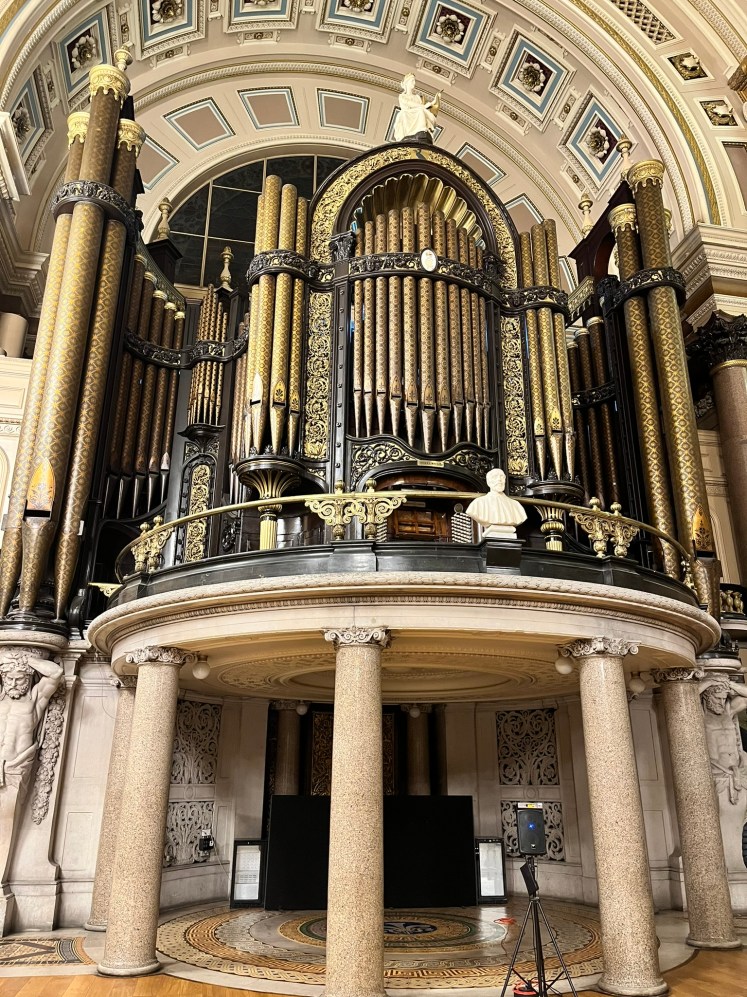
Organ recital at St. George’s Hall – Once a month St. George’s Hall offers an organ recital by Professor Ian Tracey, Organist to the City of Liverpool on the famed Willis Organ. For £5, sit back and enjoy the music in the stunning neoclassical Great Hall which Charles Dickens described as “the most perfect in the world.”
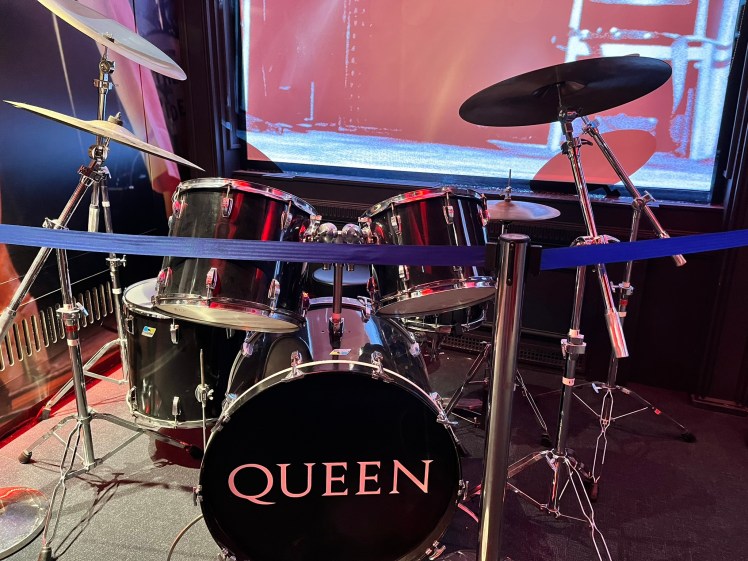
Located on the waterfront in the former Cunard Building, The British Music Experience is a must for music fans with a £20 entry fee that’s good for return trips up to a year. Inside, the displays cover the history of British influence on popular music from 1945 to the present with interesting artifacts and interactive exhibits including a Gibson-sponsored area allowing you to test your rock ‘n’ roll chops on their guitars, keyboards and drums.
And now, our Liverpool Top 10:
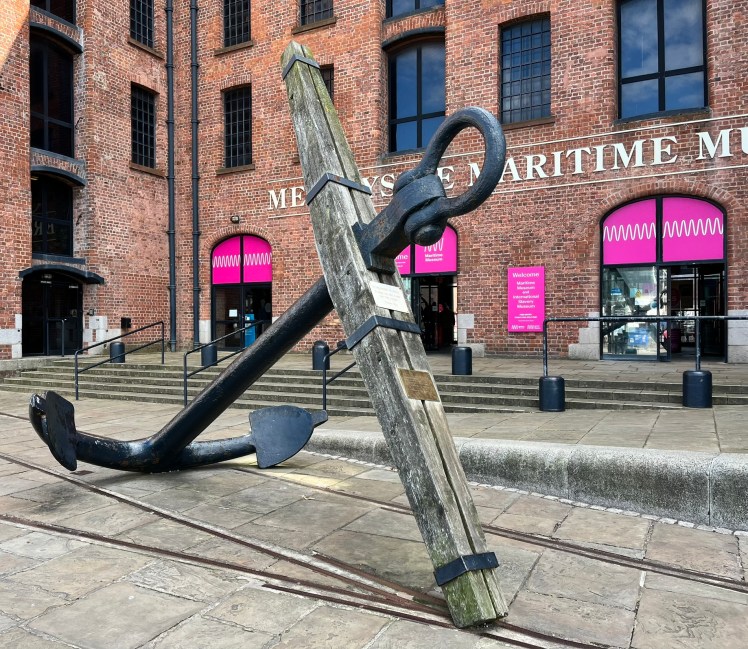
No. 10 – Museums – With most of Liverpool’s museums offering free entry, exploring the galleries and halls is a fascinating and inexpensive way to pass the time.
The Maritime Museum offers a history of the city’s lively port including two floors dedicated to the most famous shipping disasters of the 20th century, the Lusitania and the Titanic. The Slavery Museum delves into Liverpool’s role in the slave trade from Africa to the Americas while the Museum of Liverpool shows what life was like on the docks and in the city slums after a million people fled the Irish Potato Famine and arrived in Liverpool.
The Tate Liverpool is a part of the family of art galleries housing the UK’s national collection of British art. Inside the Walker Art Gallery we found an impressive collection of paintings and sculptures with works by Degas, Rubens, Monet and Rembrandt.
Next to the Walker Art Gallery is the World Museum featuring the second oldest public aquarium opened in 1857 along with a planetarium, natural history section and world culture exhibits including one of the largest collections of Tibetan artifacts outside China.
On the edge of the University of Liverpool is a beautiful building that’s home to the Victoria Gallery and Museum. And just a block or two away is the small but well done Garstang Museum of Archaeology on the university campus housing a remarkable collection of ancient artifacts from Egypt and the Middle East.
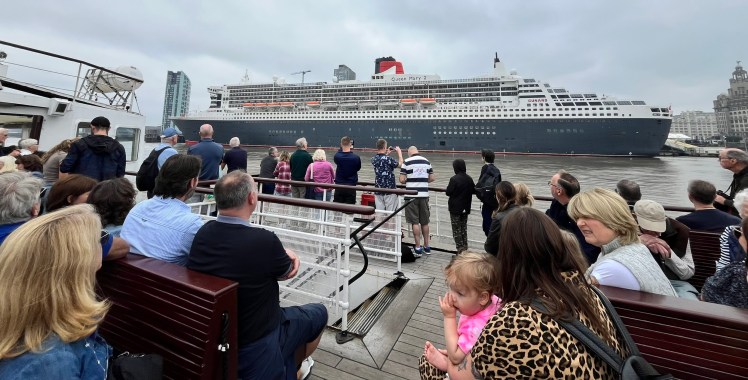
No. 9 – Ferry ‘Cross the Mersey – Even if you’re not old enough to remember this song by Gerry & The Pacemakers it’s still a fun excursion to take the boat across the River Mersey to Birkenhead for the views of the Irish Sea.
With a shuttle included in the price of a ferry ticket running several times a day, it’s easy to catch the bus back for the return ferry after you’ve had your fun at New Brighton beach. But before you go, stroll along the long waterfront promenade and enjoy the attractions, rides and restaurants. Or head a couple of blocks inland and pull up a seat at The James Atherton on Victoria Street for a pint.
During our trip, Reid and I were lucky to have the H.M.S Queen Mary 2 moored at Liverpool dock. And when the ferry captain made several passes by the enormous vessel, we got up close and personal with the famed ocean liner.
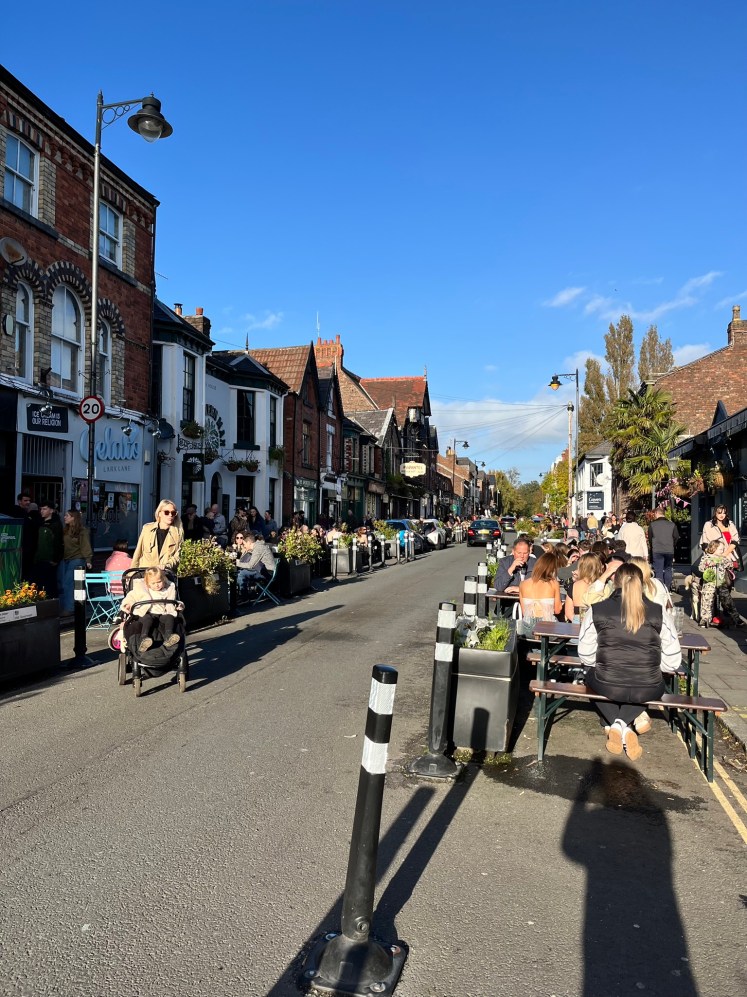
No. 8 – St. Michael’s Hamlet and Lark Lane – Between Sefton and Riverside parks is the quaint neighborhood of St. Michael’s Hamlet accessible from Lark Lane, a charming one-way street filled with shops, bookstores, pubs and sidewalk cafés. After exploring much of Liverpool, Reid and I decided if we moved to this corner of England, St. Michael’s Hamlet would be our neighborhood. With its proximity to Lark Lane, a small metro stop to take us anywhere we needed, and the nearby Japanese Gardens in Riverside Park, it’s an ideal little community.
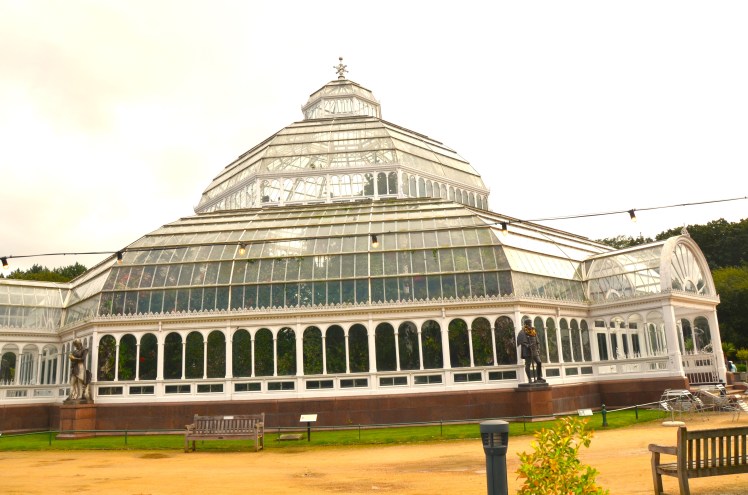
No. 7 – Parks – One of the things Reid and I enjoyed most about Liverpool were the parks and green spaces. During our ten-week stay, we packed picnics and headed out to explore as many as we could. Near our flat, Sefton Park’s 235 acres offers lakes for boating and fishing, walking trails and the beautiful Palm House, a Victorian styled greenhouse with a host of tropical plants.
Not far from Sefton is the famous Penny Lane and just up the street is Greenbank Park with a lake, children’s playground and a great little restaurant, The Watering Can. Other parks we recommend include Wavertree, Calderstones Park between Strawberry Field and Allerton Road where locals gather on weekends at the restaurants and coffeeshops, and Riverside Park running alongside the River Mersey.
Or, like Reid, you might just take a stroll around the green rolling hills of Toxteth Cemetery for a chance to spot some of Liverpool’s interesting former residents.
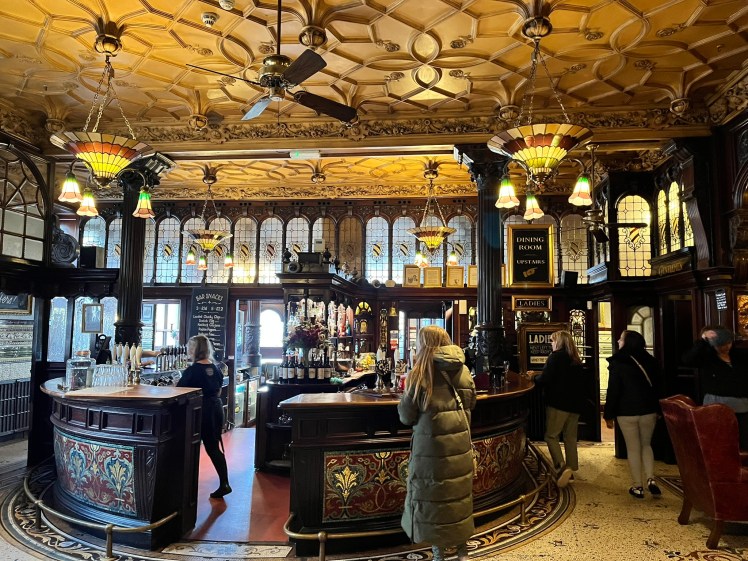
No. 6 – Pubs – Places of social gatherings, pubs are part of the fabric of British life dispensing food, libations and showing beloved English Premiere League football. Since 1992, the EPL has been behind a paywall, so without a subscription service costing £50 a month or more, the only way Brits get to see their teams play is to visit a pub.
During our ten weeks in Liverpool, Reid and I had the opportunity to visit a few. So, if you find yourself down at Royal Albert Dock’s check out Ma Boyle’s, opened in 1860, and try the Scouse. Near the university, we recommend the simple The Caledonia or the beautifully appointed, Victorian décor of the Philharmonic Dining Room for some delicious fish ‘n chips and a steak and ale pie. But our “local” was Willow Bank Tavern just a short walk from our flat in Toxteth where we got to know a few of the regulars like Dave and his dog Blue. And Tom, the old man seated in the corner nursing a beer always ready to lend a quid to anyone who needed money until the next payday.
Trust us, the pub experience is one you won’t want to miss no matter where you visit in the UK.
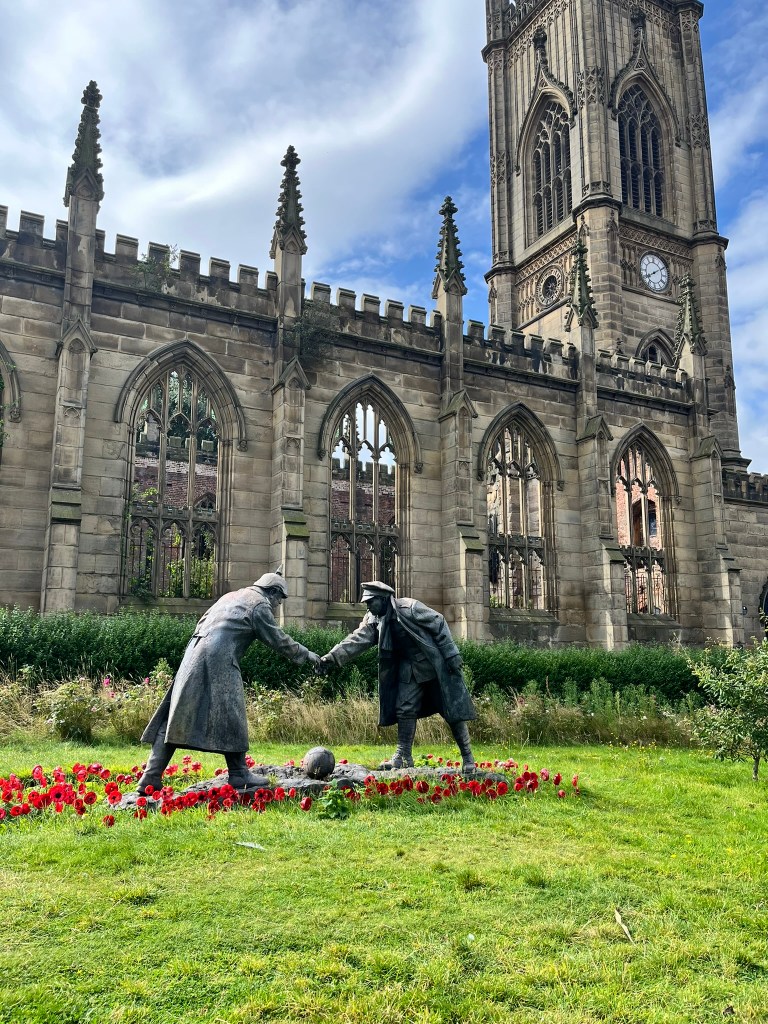
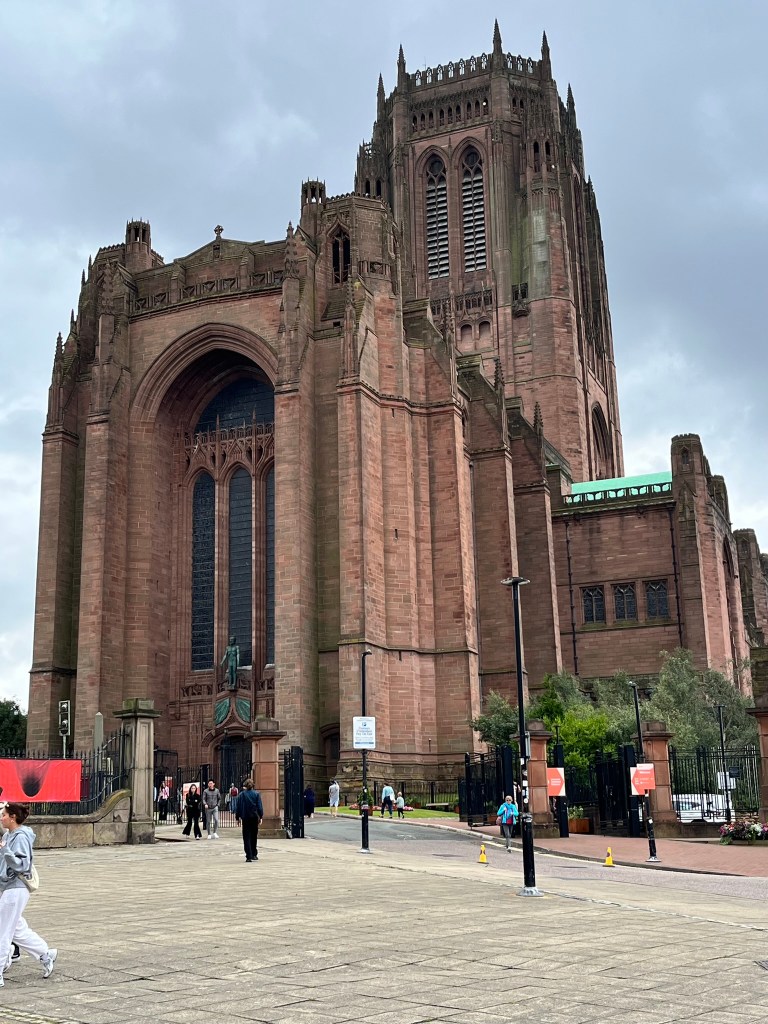
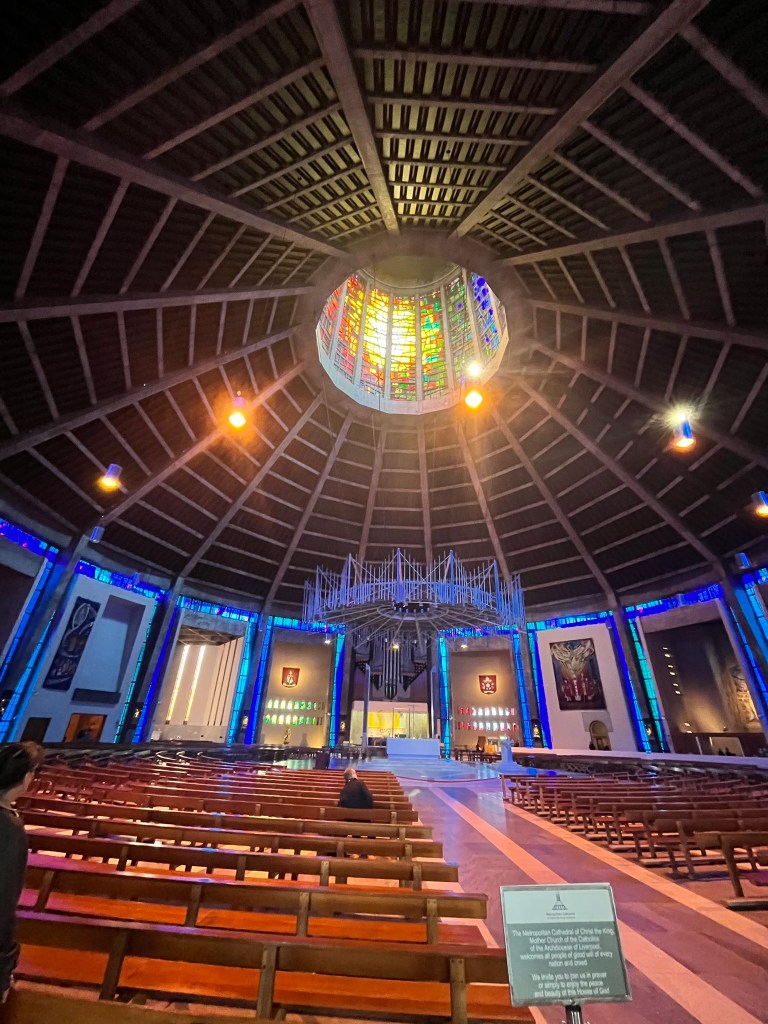
No. 5 – Churches – Three churches stand out in Liverpool.
St. Luke’s Bombed Out Church was consecrated in 1831 and opened the following year. It served as both a church and concert hall until the night of May 6th, 1941, when a German incendiary bomb struck the building and caught fire leaving nothing but the church’s brick outer shell. Today, St. Luke’s stands as a memorial to the casualties of the war and a reminder that Liverpool was the second most bombed city in England during WWII.
While just over 100 years old, the massive Liverpool Cathedral feels older. At 621 feet, it’s the longest cathedral in the world and the sixth largest. During our visit, the vast central hall included an art exhibit by internationally acclaimed sculptor Anish Kapoor, the designer of “Cloud Gate,” better known as The Bean in Chicago’s Millennium Park. For more intimate gatherings, the Lady Chapel is a beautiful church within a church. And if you get hungry or need a break, there’s a lovely cathedral café offering indoor and outdoor seating.
The Liverpool Metropolitan Cathedral is a contrast of old and new with its modern theater-in-the-round sanctuary and crypt to rival St. Peter’s in the Vatican.
The original design of the cathedral was massive with a 168-foot diameter dome, 300-foot barrel vaults and 12-foot high altar as found in the model at the Liverpool Museum. But only the immense crypt was completed before construction halted during WWII and funds dried up.
In the 1950s another attempt was made to finish the cathedral but when the costly idea met with heavy criticism, the project was scrapped. In 1960, criteria for a new design mandated completing construction within 5 years on a budget of £1 million. Out of more than 300 entries from across the globe, Sir Frederick Gibberd’s design won, and construction began in 1962. Today, the modernist Catholic Cathedral is the largest in the UK and its massive lantern window is the largest collection of colored glass in the world.
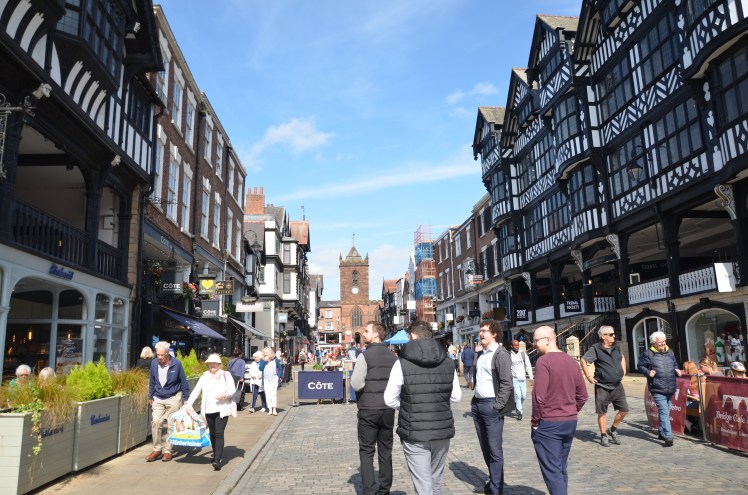
No. 4 – Day Trip to Chester – Located less than an hour away by train, Chester feels like it belongs to a different time. Encircled by a Roman wall dating from the 1st century AD, the city on the river Dee was raided by Vikings and conquered by Normans. And with its 1,000-year-old cathedral and 700-year-old medieval gallery rows offering shopping and dining, there’s plenty to see and do in Chester.
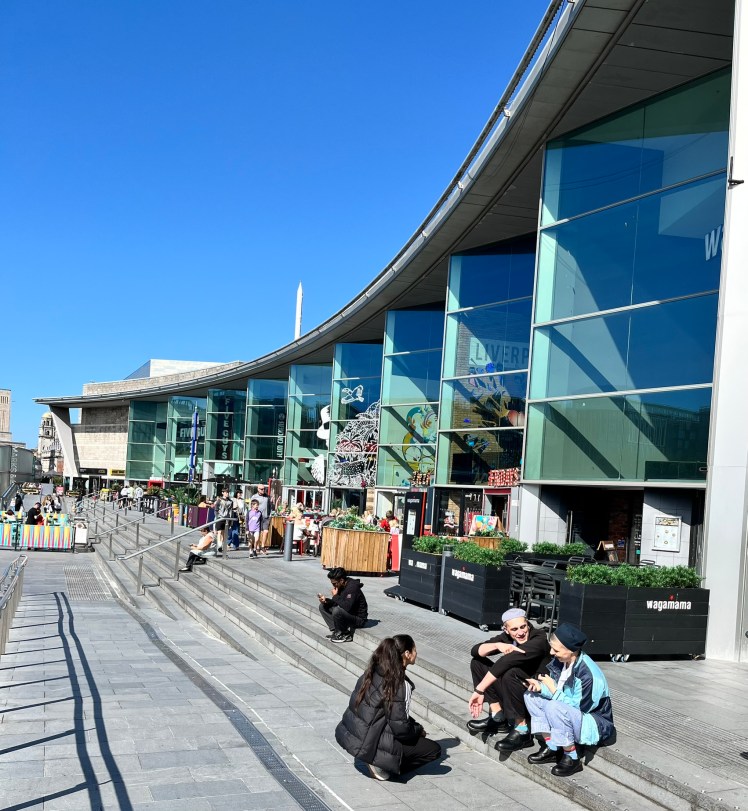
No. 3 – Heritage Trail Walking Tour – The revitalized area around the Royal Albert Dock includes a multi-story outdoor shopping area called Liverpool One. Amid the stores and restaurants is a fascinating free walking tour with 300 years of history from the creation of world’s first commercial wet dock in 1700 to the Bling Bling Building built in 2013. With sixteen stops along the route, the tour takes about 90 minutes aided by the free MyONE app and comprehensive audio guide.
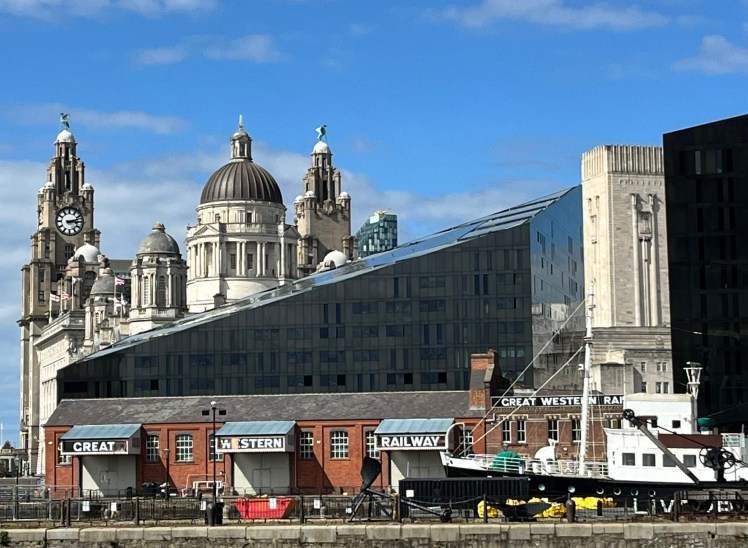
No. 2 – Royal Albert Dock – Liverpool dominated global trade in the 19th century with the world’s first wet dock allowing ships to load and unload cargo regardless of tides or weather. But with the advent of container shipping after WWII, the area fell into disrepair and was ultimately abandoned in the 1970s. Starting in the late 1990s, redevelopment turned the area into a tourist attraction anchored by four museums, the Maritime Museum, Slavery Museum, Tate Liverpool and Museum of Liverpool surrounded by restaurants, food trucks, a carrousel and the Liverpool Eye.
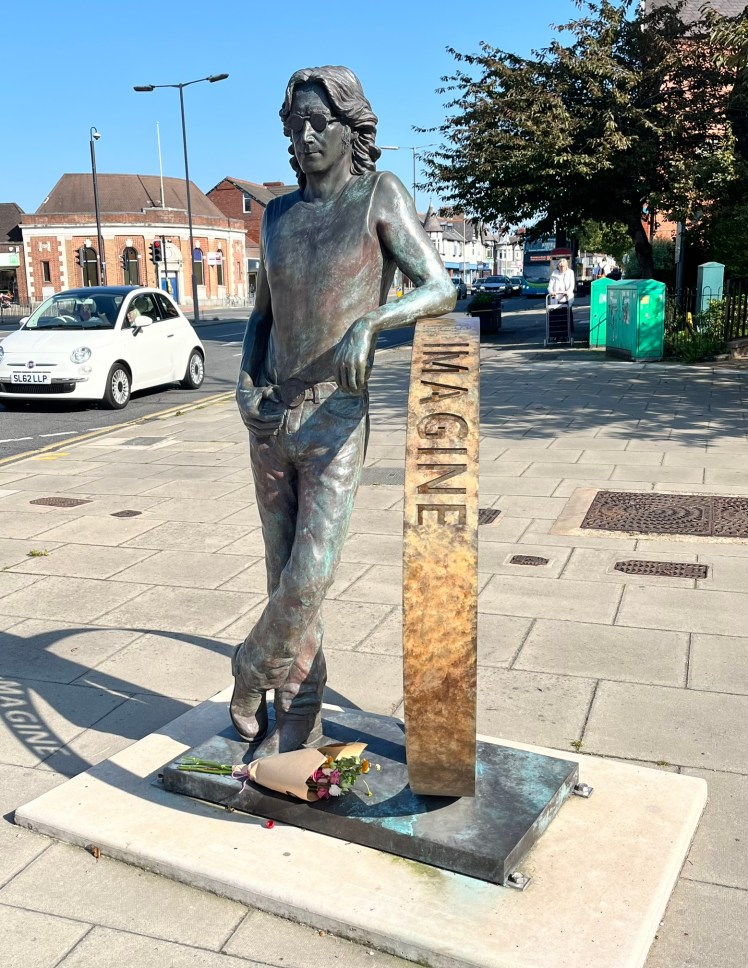
No. 1 – The Beatles – For music lovers, the mere mention of Liverpool stirs up images of the most successful music group of all time, and Beatles fans still flock to the city.
Take a stroll down Mathew Street, home to the famous Cavern Club where John, Paul, George and Ringo once played. Visit Penny Lane made famous in Paul’s lyrics or St. Peter’s Church where Eleanor Rigby is buried. Or spend the day exploring Woolton, the neighborhood where John grew up.
There are Beatles museums, landmarks for each of their childhood homes, Strawberry Field, the former orphanage John visited as a child showcasing his career and the piano he used to write Imagine. But for die-hard fans, consider visiting Liverpool in late August when the International Beatleweek festival hosts more than 200 Beatles cover bands from 70 countries. Be sure to get your tickets early because the events sell out quickly!
That’s our list of Liverpool faves. Tell us yours!
 Reid & Robie