
Take life with a grain of salt – and a slice of lime.
– Anonymous
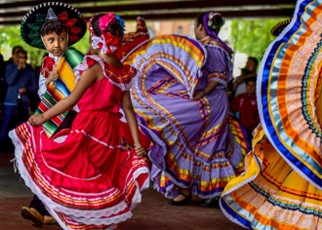
In Texas Cinco de Mayo is another excuse to enjoy margaritas but few people know this obscure holiday isn’t Mexican Independence Day. So before heading to your favorite hangout to enjoy an icy, salt-rimmed beverage, here are the 10 things to know about Cinco de Mayo.
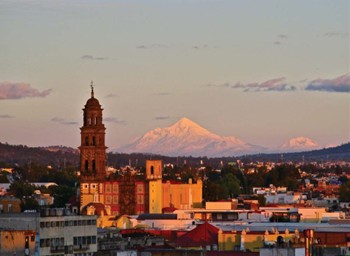
No. 1 – Is Cinco de Mayo celebrated in Mexico?
In Mexico the date is rarely celebrated outside Puebla where it’s known as The Day of the Battle of Puebla commemorating a rare win by the beleaguered Mexican army against superior French forces on May 5, 1862.
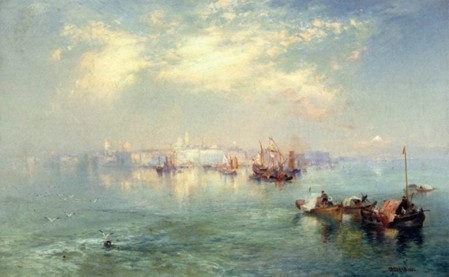
No. 2 – Why did France invade Mexico?
The period known as the French Intervention actually involved fleets from Spain, Britain and France converging on the Mexican port of Veracruz after President Benito Juárez imposed a two-year moratorium on repaying the country’s debt.
When they arrived, the European governments said they were securing debt repayments owed by their citizens. But were they really?
No. 3 – What had caused Mexico’s high national debt?
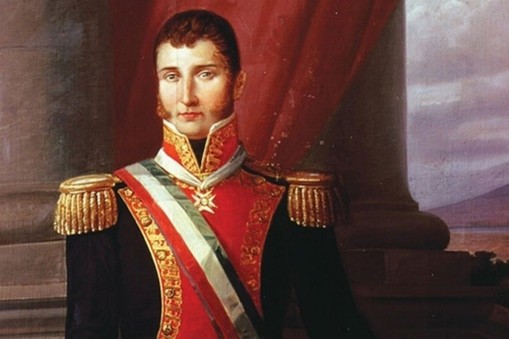
Under Spanish colonial rule, rich merchants in Mexico lent the State money convinced that any losses would be compensated by the government in Madrid. After gaining independence, Mexican President Augustín Iturbide debated what to do with the country’s large debt. The options were to:
- Repudiate the debt accumulated by colonial powers that had exploited the country
- Confiscate Church property and use it to settle the debt
- Issue bonds in London to pay off the debt
Iturbide feared direct conflict with the country’s elite who held a large portion of the debt and owned large swaths of land along with lucrative silver mines. Likewise, he chose not to tangle with the powerful Catholic clergy, so he decided to take out immense loans from foreign banks to keep the fledgling country afloat. But the conditions imposed made it impossible to repay without acquiring new loans.
In the decades following independence, Mexico was mired in political strife as the military lost control of Texas and entered a costly war with the U.S. that resulted in the loss of territory north of the Rio Grande. And when Mexico took on more loans to pay the army it left little for education, healthcare or infrastructure.
No. 4 – Who owned Mexico’s debt?
After independence Mexico’s landowners and wealthy merchants purchased Mexican bonds on foreign markets in London, Paris and Madrid. Then they protected their investments by applying for citizenship in England, France and Spain so that by 1862 half of Mexico’s debt was held by Mexicans with British, French or Spanish passports. And when these countries sent their fleets to Veracruz demanding repayment for their “countrymen,” they were in fact fighting for Mexicans in Mexico.

No. 5 – Why would France want to foot the bill for their “citizens” in Mexico?
French Emperor Napoleon III had long dreamt of creating a Latin league that included France and southern Italy as well as the former colonies of Spain and Portugal. Having already convinced Maximilian, the younger brother of Emperor Franz Josef in Austria-Hungary to accept the throne in Mexico, Napoleon dreamed of a puppet state in the New World. And with Mexico’s chronic chaotic political and economic situation, he planned his strike.
No. 6 – Why didn’t the U.S. intervene?
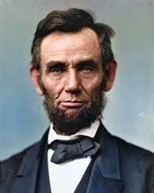
With the Civil War raging the United States was unable to defend the Monroe Doctrine, the foreign policy that opposed European intervention anywhere in the Americas.
No. 7 – What happened after the European fleets landed in Veracruz?
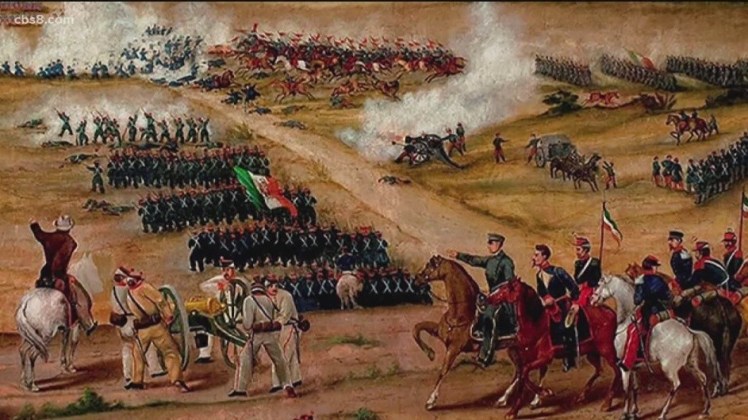
Captains for both Spain and England asserted they were in Veracruz to open negotiations with Mexico. But when France claimed a whopping $15 million in questionable bonds, British and Spanish ships withdrew from the venture.
Undeterred, French forces landed and began marching on Mexico City. In Puebla, the Mexican army made a stand against the invaders and successfully defended the city on May 5th marking Mexico’s first decisive battlefield win since the Alamo and Goliad in Texas. But while it was a celebration of Mexican bravery and resolve in the face of an overwhelming foe, the victory was almost purely emotional – and fleeting.
No. 8 – What happened after the Battle of Puebla?
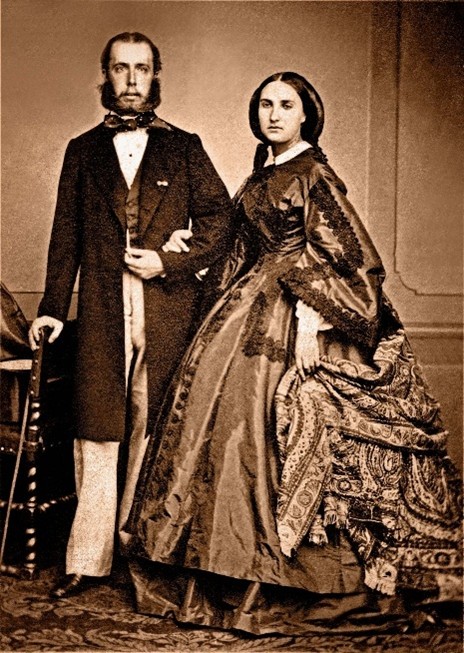
The French army retreated to Veracruz to await reinforcements from Europe, and by the following summer they occupied Mexico City. Then with Napoleon III’s economic and military support, Maximilian and his wife Charlotte (known in Spanish as Carlota) set sail for Veracruz where they were crowned Emperor and Empress in the Metropolitan Cathedral of Mexico City.
But their rule was short-lived.
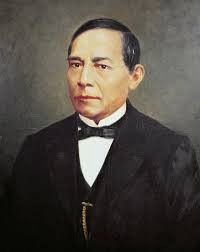
As the expense of Napoleon’s Mexican adventure mounted, the French people criticized the expedition that brought them little political or economic advantage. And after Lee’s surrender at Appomattox, the United States put pressure on Napoleon to withdraw French troops from Mexico. Once the French emperor did, President Benito Juárez began retaking Mexico.
No. 9 – What became of Emperor Maximilian and Carlota?
Abandoned, Maximilian petitioned Napoleon III to reconsider French support and sent Carlota to Europe to plead with him in person. But she never saw Mexico or her husband again. Unable to secure backing for their crumbling empire, Carlota went mad and was taken to her native Belgium where she remained until her death.
Back in Mexico, Emperor Maximilian considered abdicating but decided to defend his status and honor by making a stand while hoping to negotiate an honorable exile in defeat. But after his troops surrendered, Maximilian was court-martialed and sentenced to death. Knowing that almost 50,000 Mexicans had lost their lives during the French incursion, President Juárez refused petitions for mercy, and on June 19, 1867, Maximilian was shot by firing squad.
No. 10 – So why do Americans celebrate Cinco de Mayo?
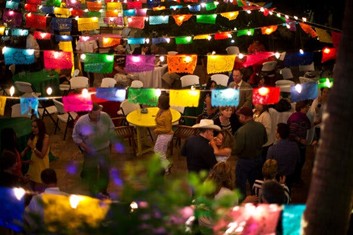
According to a paper published by UCLA, on the anniversary of the first Battle of Puebla California residents held a Mexican-themed celebration condemning the ongoing French occupation. And today the date is synonymous with Mexican heritage, culture and food.

Feliz Cinco de Mayo!
________________________________________________________________________________________________________________
Thanks for dropping by our little corner of the internet. If this post brought sunshine to a dreary day, taught you something new or got you thinking if these two can make a roving retirement work, why can’t I?, a like is much appreciated. And if you’re feeling particularly adventurous, hitting subscribe is like getting a front row seat to see what we’re up to and where we’re going next. Plus, you’ll get first crack at our “Where are you now?” contests and won’t miss the ongoing misadventures of Willie Dare, Perpetual Alien.
Your comments make us smile and sometimes laugh out loud. Most of all though, they inspire us to keep writing. So don’t be shy, let us know what you think, ask your burning questions about what we’re doing and where we’re going. Because while we might be on a different time zone, we promise to respond.
-Reid & Robie
 Reid & Robie