
Every hike feels like discovery.
– Anonymous
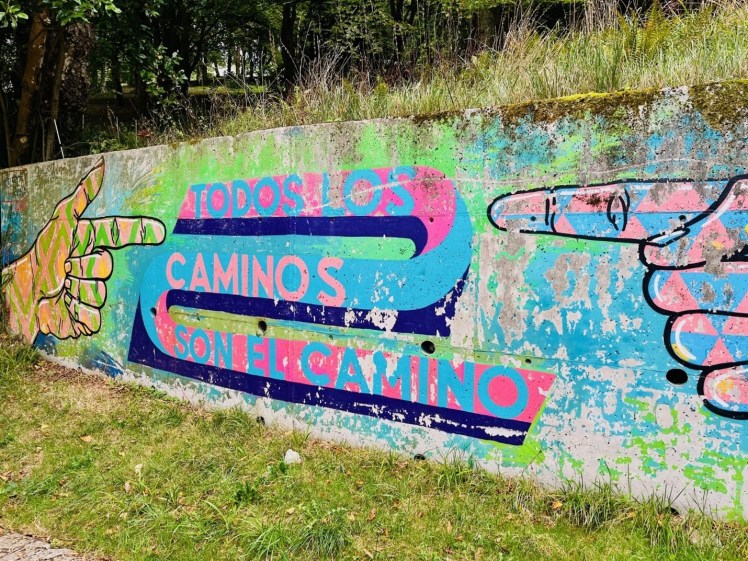
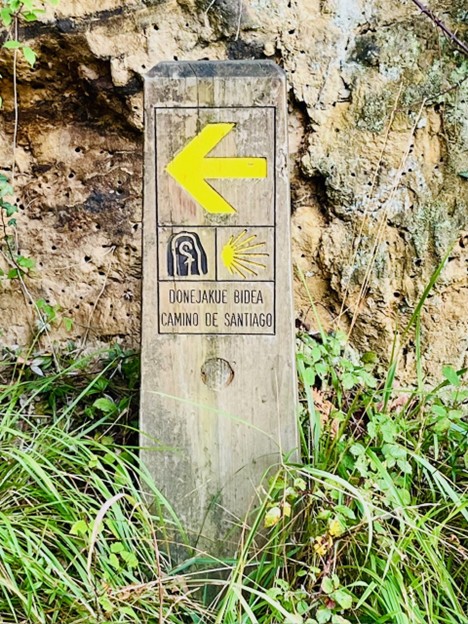
Traversing the Camino del Norte means crossing four distinct regions of northern Spain each with its own history, personality and cuisine.
Basque Country (País Vasco)
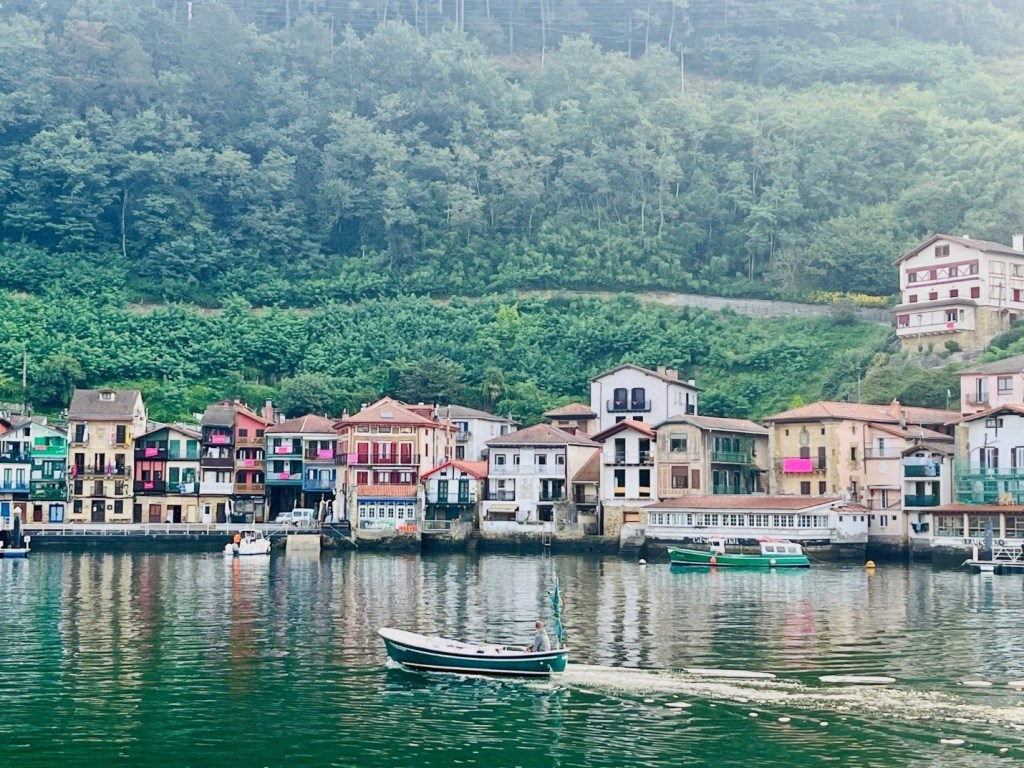
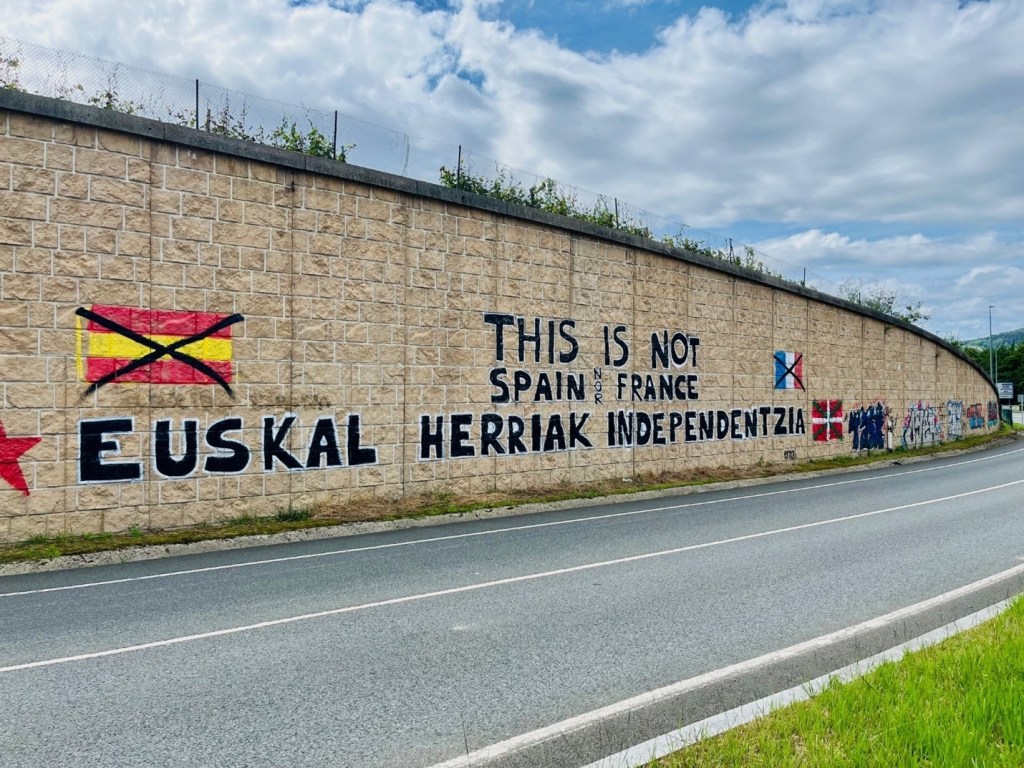
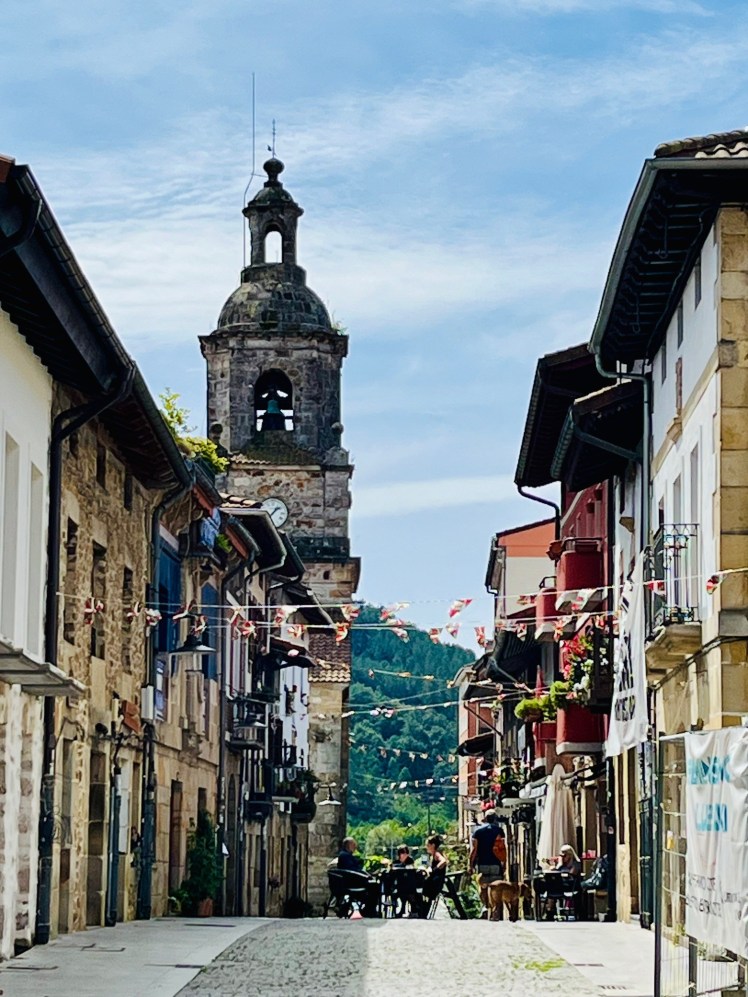
Beginning at the French border, the Camino del Norte starts in Basque Country where Spanish is the second language on signs and menus followed by French then English. At the top is the consonant-heavy Euskara.
The Basque tongue is a Paleo-European language whose origins are still debated. The only consensus experts agree on is that Euskara is unlike any known language. And though it was originally spoken in parts of southwestern France as well as the north of Spain, when the French Revolution proclaimed equality among the people it meant the people spoke only one language – French.
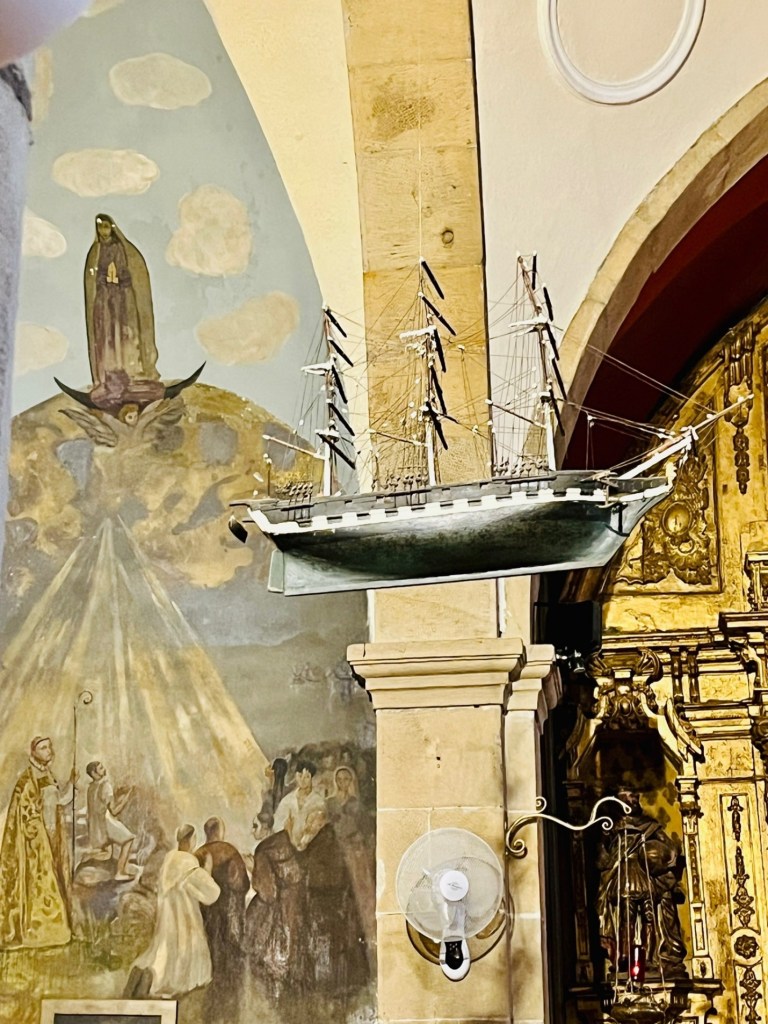
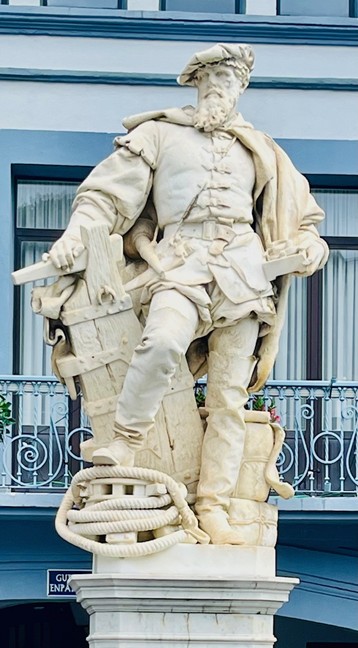
Living along the coast, Basques are renowned for their exploits on the sea. During Columbus’ first voyage to the New World Basque fishermen made up most of the crew on his flagship the Santa Maria. And it’s believed that like their Viking counterparts, Basque whalers made it across the North Atlantic to Newfoundland but kept the discovery a secret to protect their fishing grounds. During a stop for lunch at the small town of Getaria we encountered the statue of hometown celebrity Juan Sebastián Elcano who took over for Ferdinand Magellan after the expedition leader was killed in the Philippines. Navigating across the Indian Ocean and around Africa, Elcano and what remained of the crew became the first to circumnavigate the globe.
Beyond discovering new lands and sailing around the world, Basques invented jai alai, produced acclaimed writer Miguel de Unamuno and gave us St. Ignatius of Loyola, the founder of the Jesuits. Fiercely independent, the Basques were never conquered by the Moors and so retained their history of community government. Even Ferdinand II, looking to add the military might of the Basque to his claim for the crown of Castille, swore an oath to respect the autonomy and privileges of the Basque under the famous oak tree at Guernica. But during Franco’s 40-year dictatorship the Basque were his frequent targets as many were imprisoned or exiled, and schools were banned from teaching Euskara. Symbolically, Franco chose Guernica, the home of Basque nationalism, for Hitler’s first test of his blitzkrieg attack.
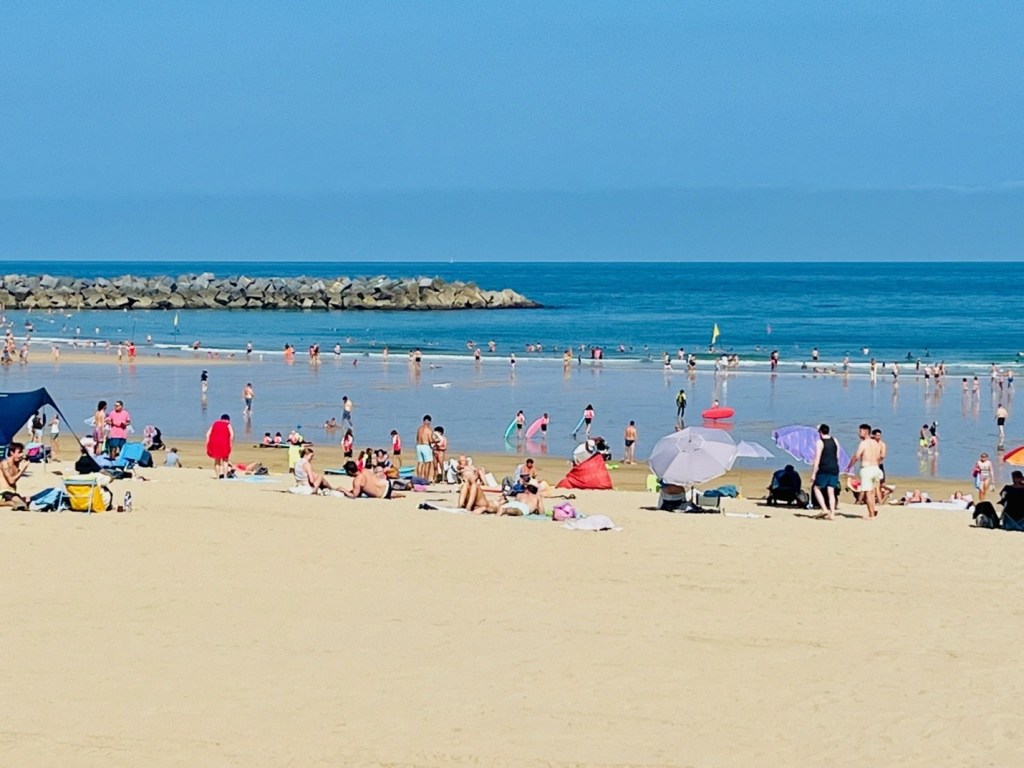
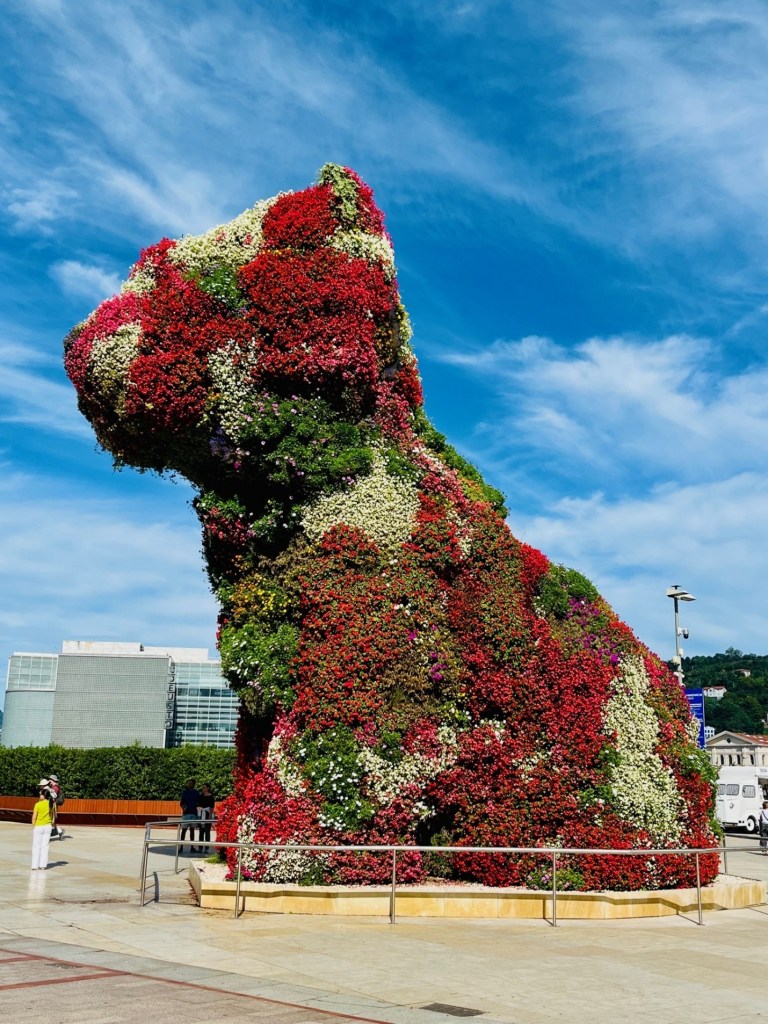
Like all Spanish provinces, the Basque Country is now an autonomous region within the country. And it’s here on the cool northern shores that Spaniards flock each summer to escape the oppressive August heat. Euskara is once more taught in schools and Basque culture thrives in places like the San Sebastian Film Festival and Guggenheim Museum in Bilbao. But the most famous Basque product is the cuisine with 22 Michelin star restaurants. Inspired by gastronomic societies across the region, Basque restaurants blend a rich culinary heritage and passionate food culture with high-quality, seasonal ingredients.
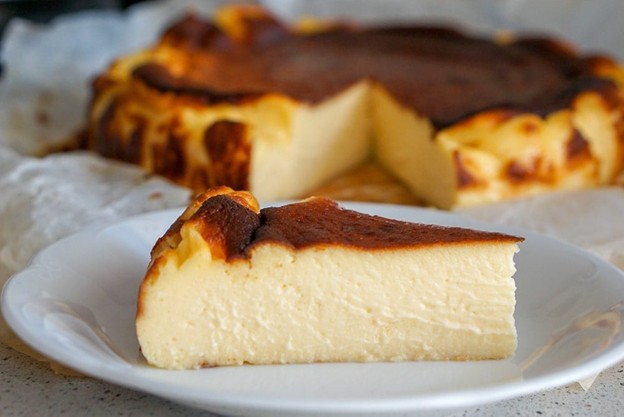
But while pilgrims rarely have time for the elaborate 12-course tasting menu at Akelarre Restaurant in San Sebastian, there’s no reason to pass up a slice of delicious Basque burnt cheesecake. This scrumptious, crustless dessert is caramelized on top, jiggly in the center and served without garnish. Made with nothing more than ricotta cheese, eggs, cream, sugar and a touch of flour, it’s cooked at high temperatures to brown the outside and turn it into a natural crust. Then as the top blackens in spots, the interior remains luscious and loose.
Cantabria
Somewhere between Pobeña and Ontón, the Camino del Norte crosses into Cantabria. Suddenly the Basque red, white and green flag is replaced by Cantabria’s red and white crested banner hanging below Spain’s national flag in this fiercely Spanish region.
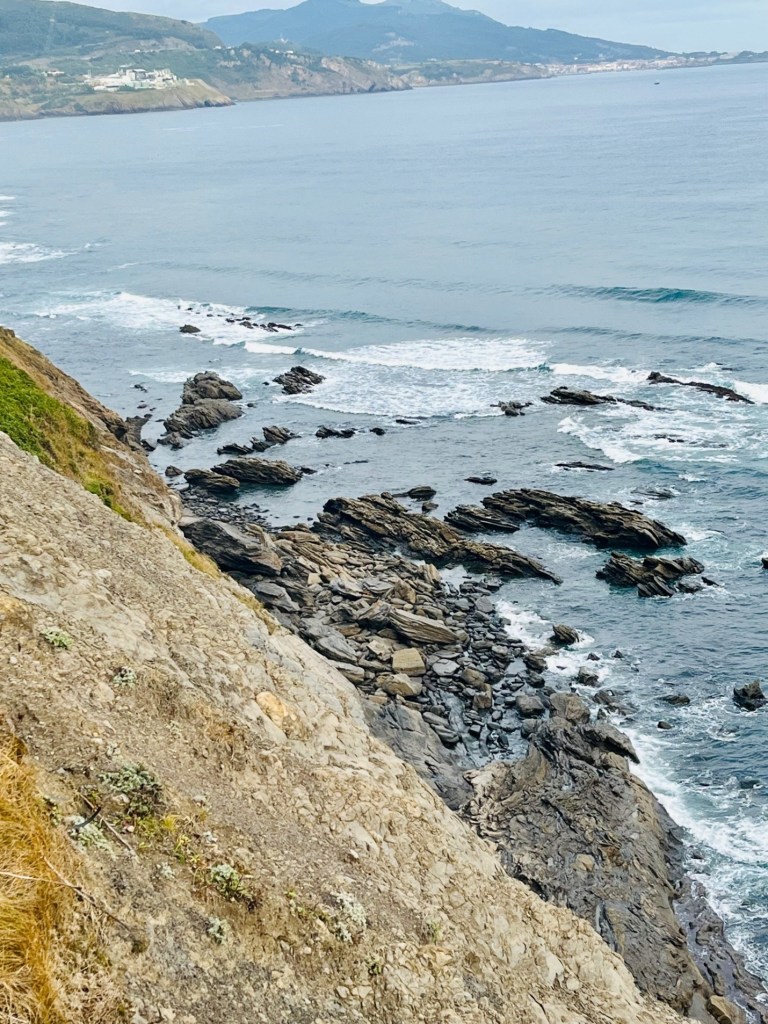
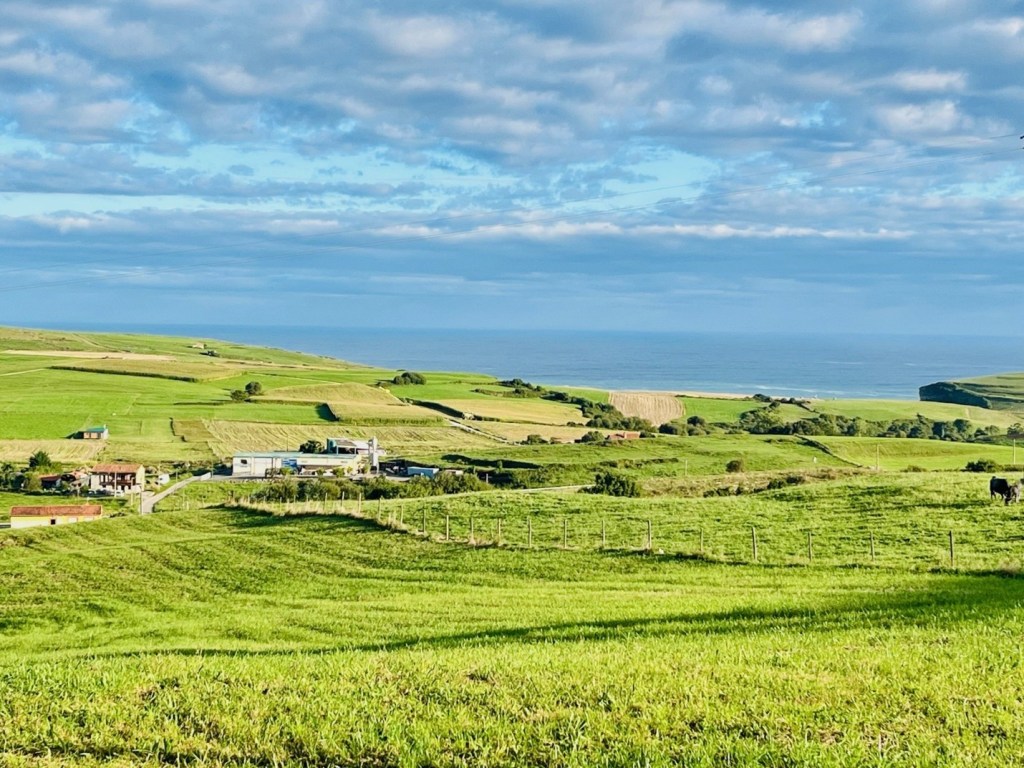
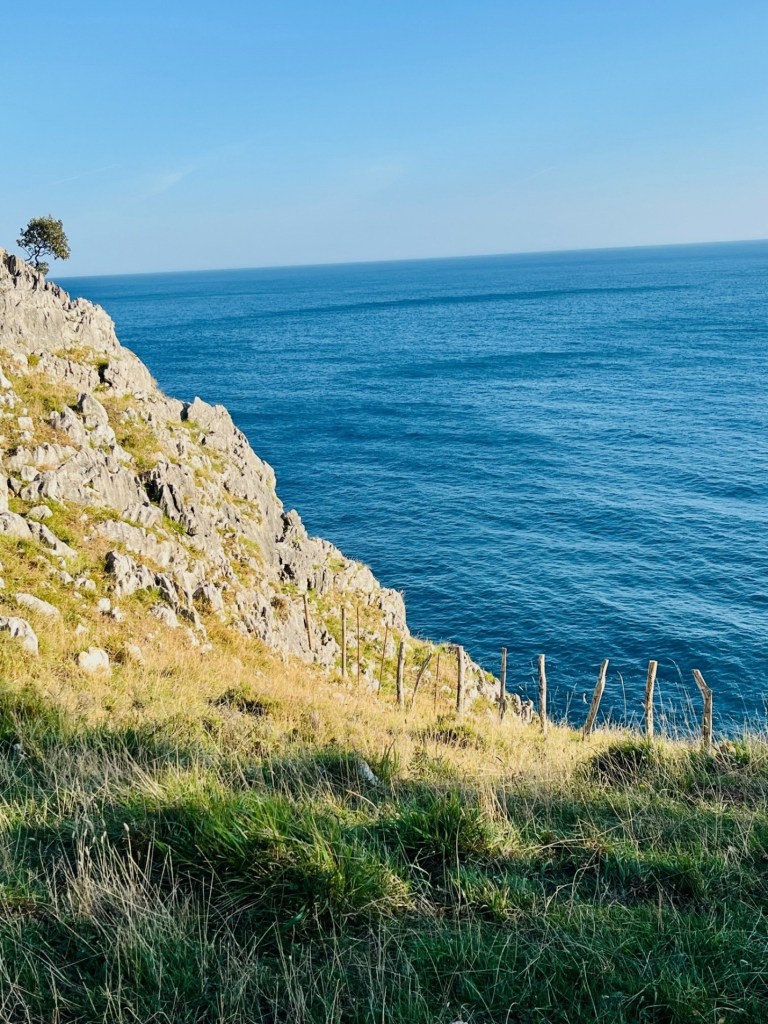
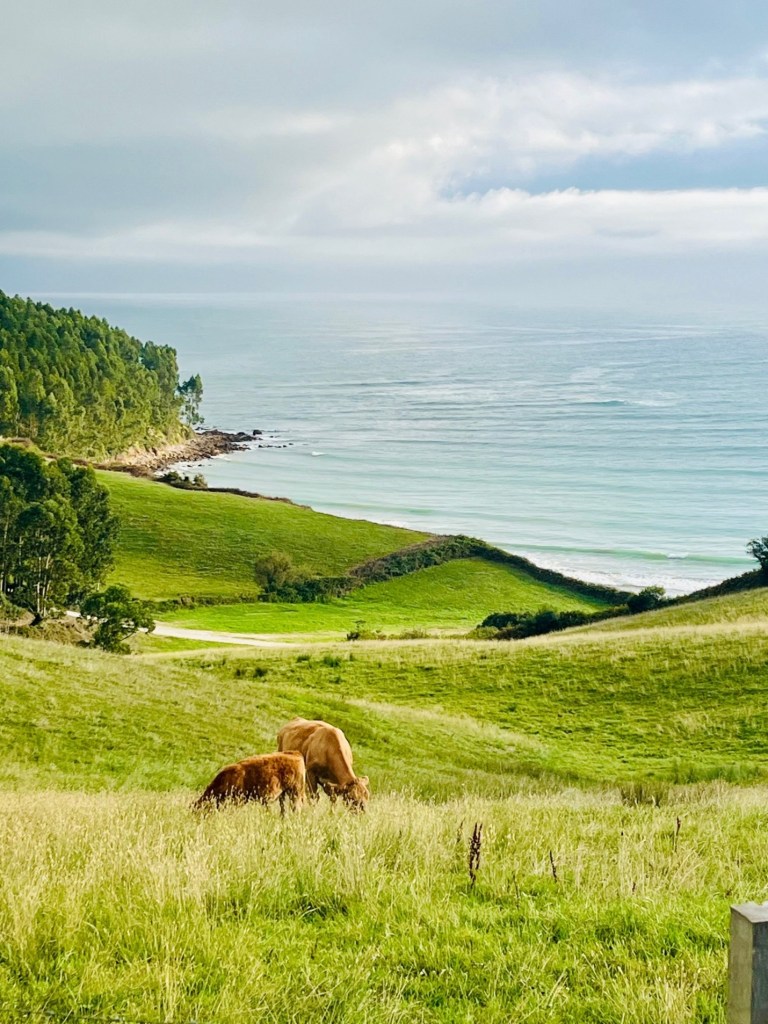
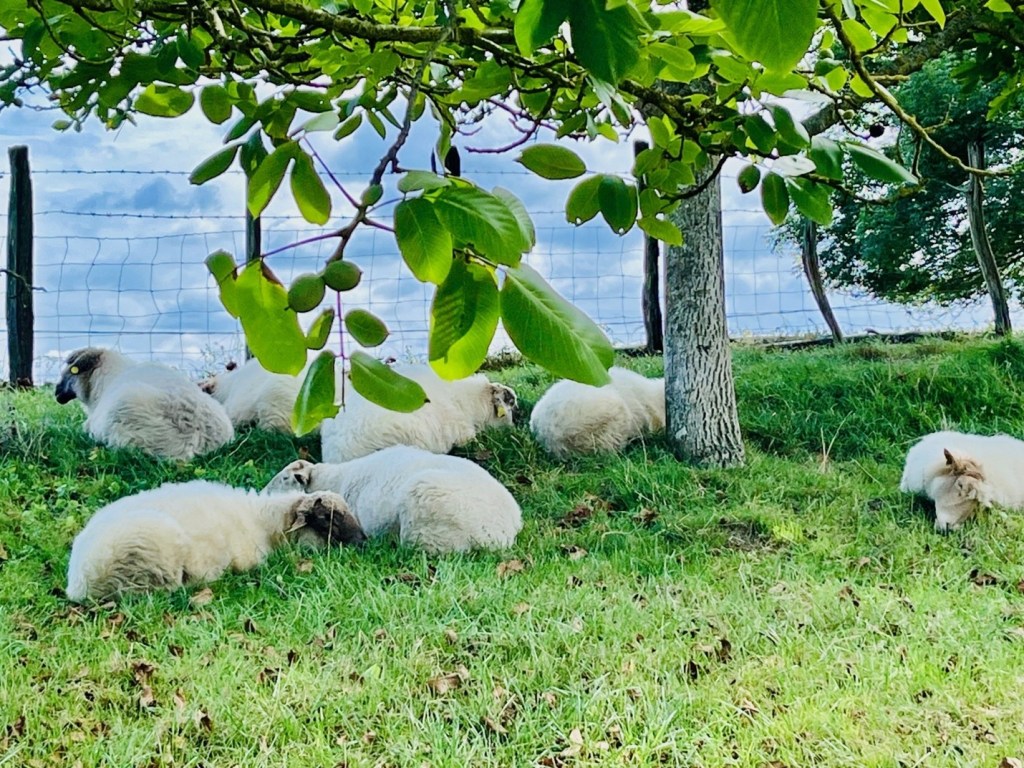
Wedged between the Cantabrian Range and the Atlantic, the Camino del Norte returns to the coast after a week of winding through wooded paths in Basque Country. Suddenly pilgrims are surrounded by green rolling hills, vineyards and sheep with vistas that extend to the horizon as the way hugs cliffside trails.
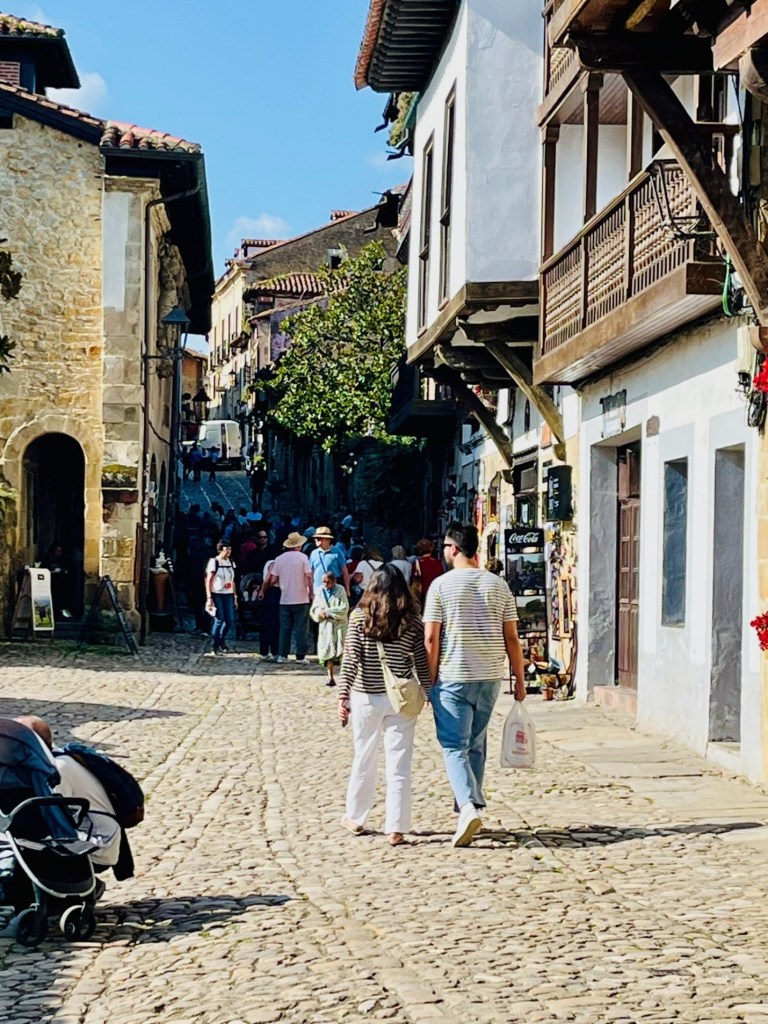
Home to more than 6,500 caves, Cantabria is filled with prehistoric art. At the Archaeological Museum in Santander are replicas of caves where ancient people lived while nearby in the quaint, medieval town of Santillana del Mar are the famed Altamira Caves littered with prehistoric paintings of herds and animals that once roamed the region.
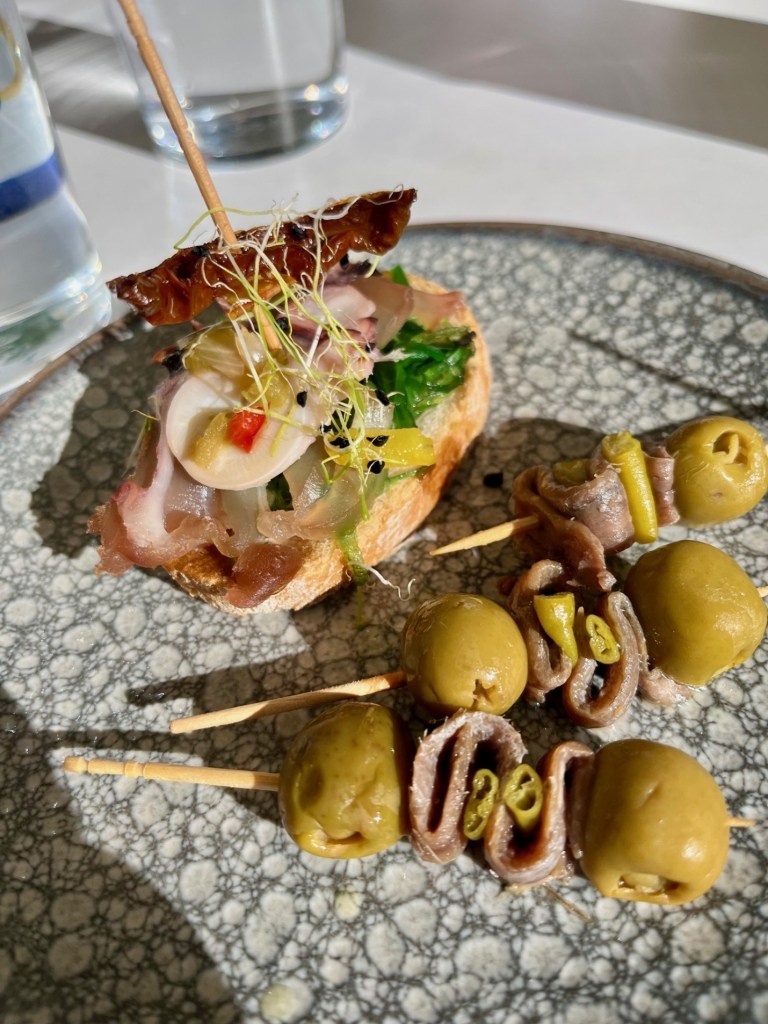
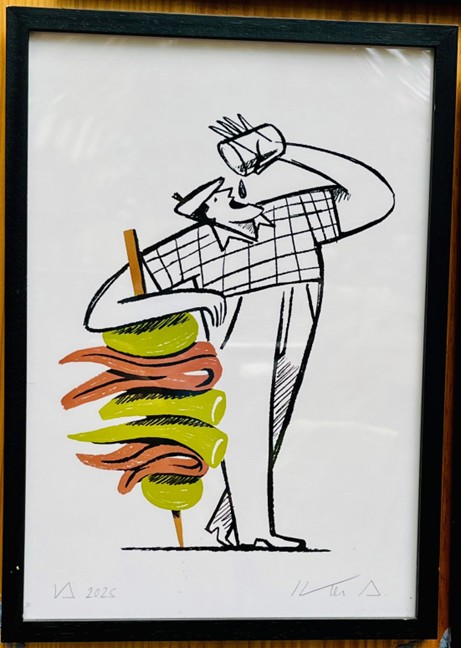
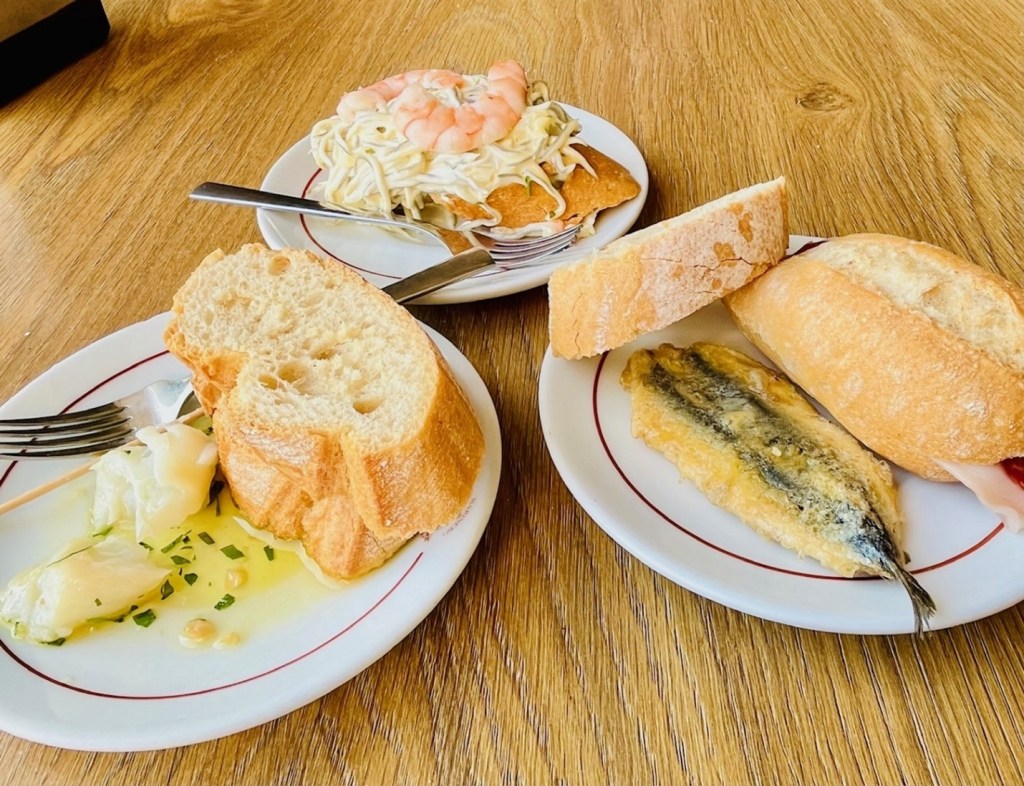
Cantabria is second only to the Basque Country for producing the best seafood pintxos, tiny tapas set on sliced baguettes featuring shrimp, baby eel, crab, octopus, mussels, prawns and tuna. And like their neighbors, Cantabrians adore the gilda, a tangy skewer made with Manzanilla olives, pickled Guindilla peppers and anchovies and named for the sassy title character in a 1940s Rita Hayworth movie.
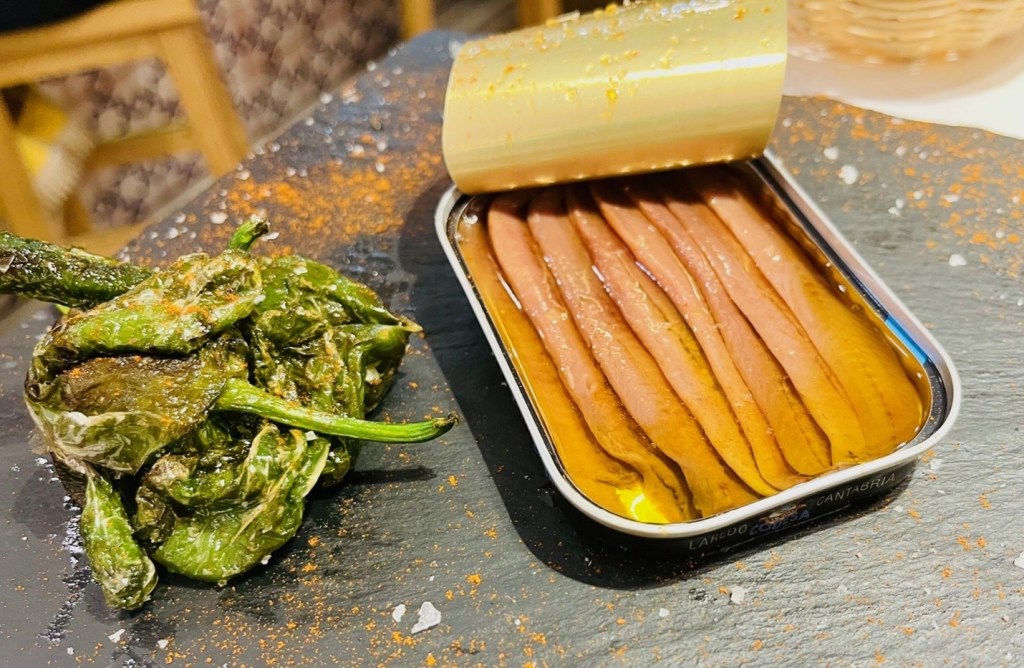
But when it comes to anchovies, no place does them better than Cantabria. In a town called Santoña, these little fish are cleaned and sliced by hand. Then they’re salt-cured for six to twelve months giving them time to develop a deep, rich, savory flavor that’s clean and complex.
Asturias
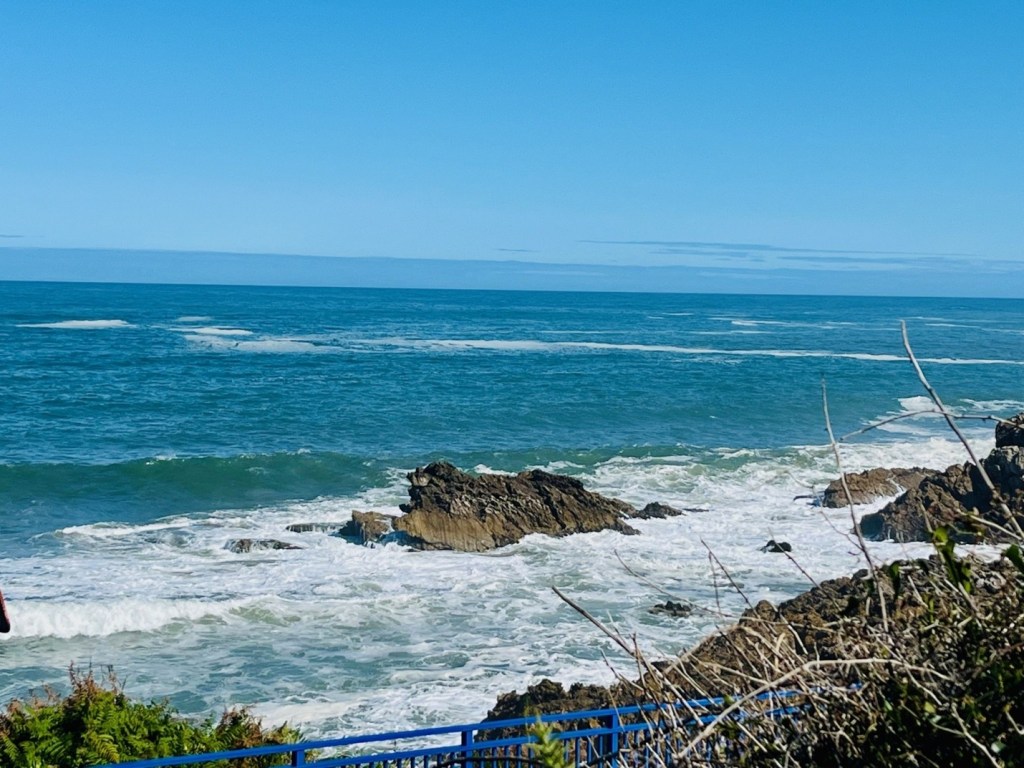
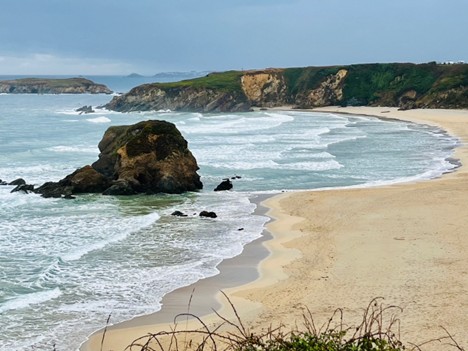
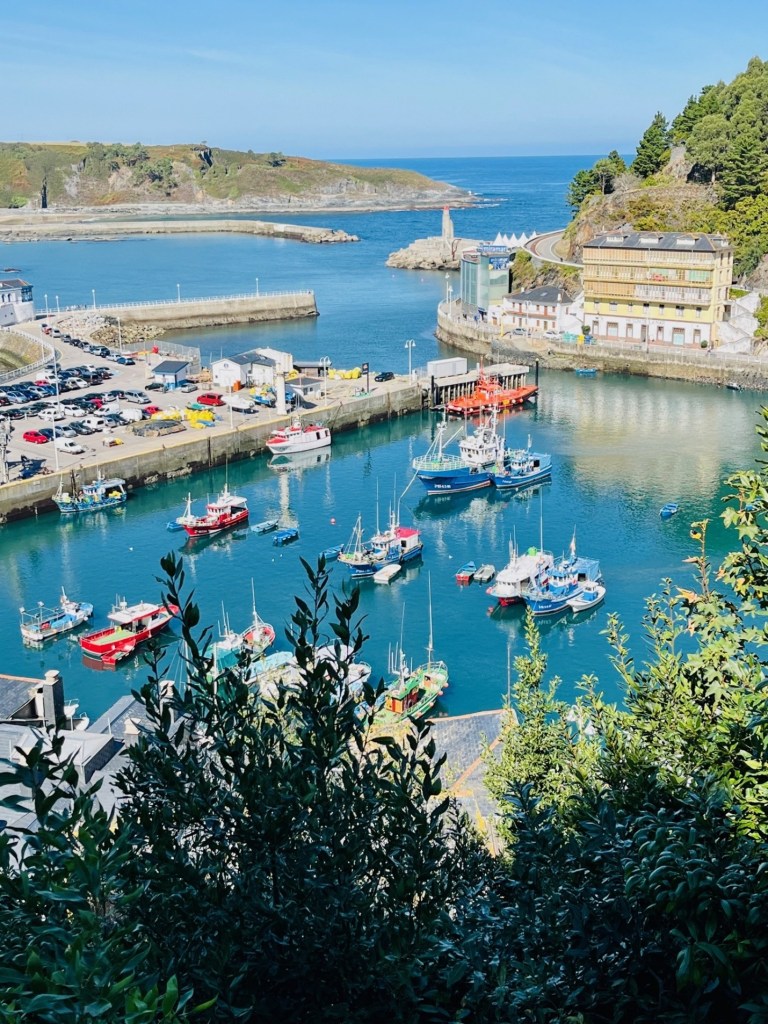
Leaving Unquera, the Camino del Norte crosses the Deva River and lands in Bustio, the easternmost town in Asturias. The largest of the four provinces along the northern route, in Asturias the pilgrim path follows the shore from beach to stunning beach while daily the majestic Picos de Europa slowly pass by.
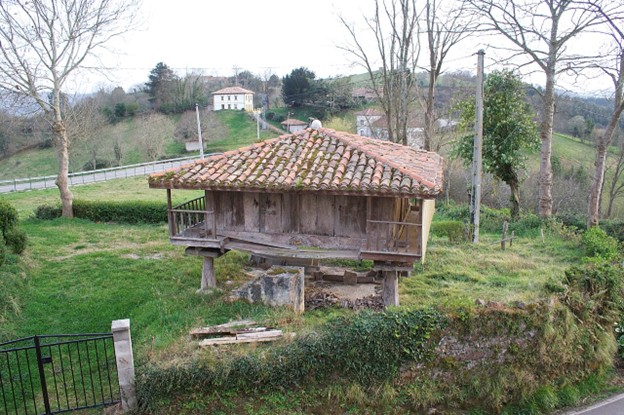
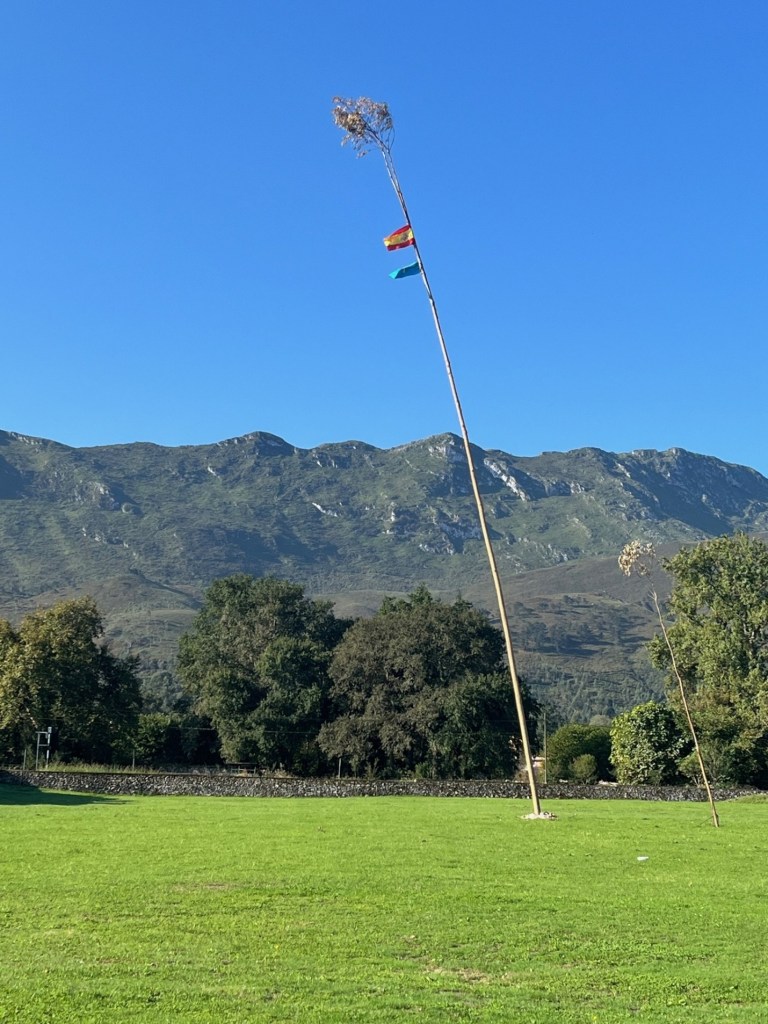
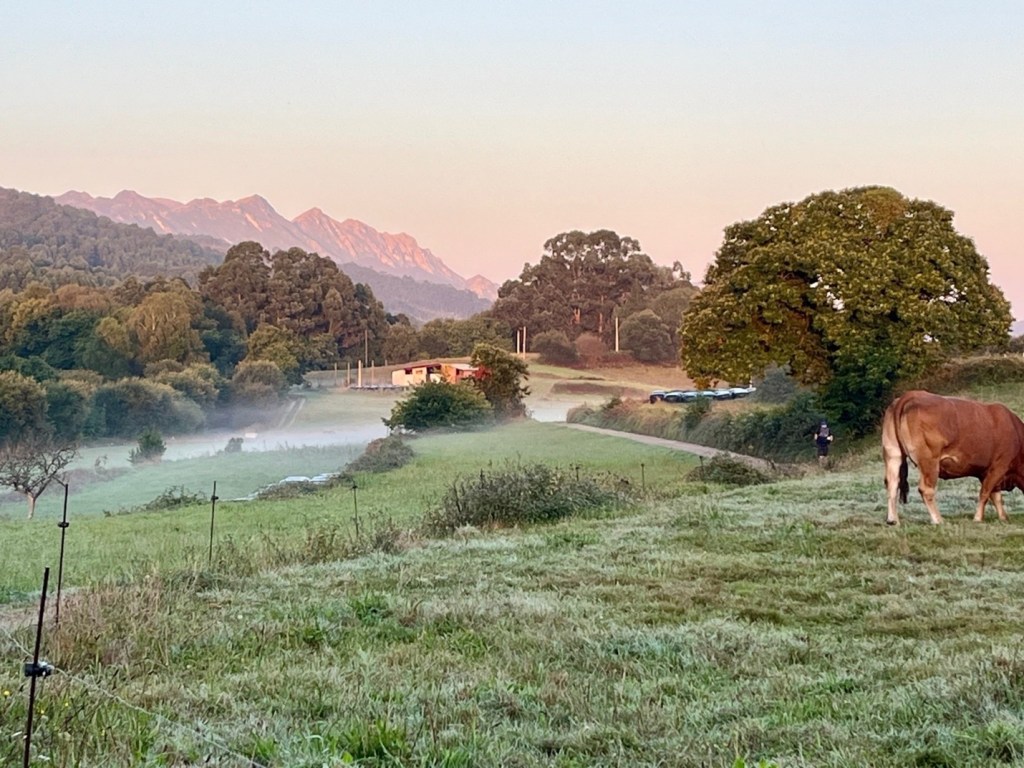
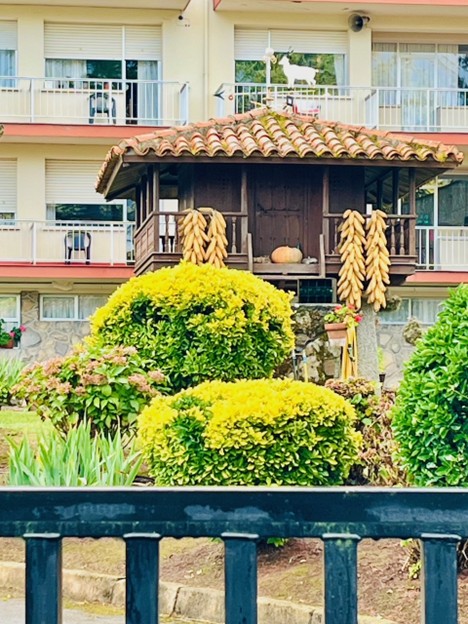
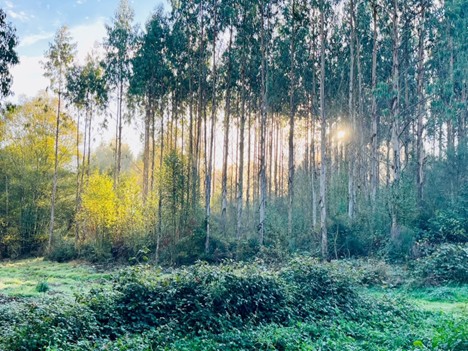
Here, morning mists gather in the valleys, tall eucalyptus trees find new purpose as flagpoles and hórreos dot the landscape. These iconic, traditional granaries are the symbol of rural Asturias. Built on pillars to protect harvested crops from moisture, hórreos also make good places to store firewood and keep the home fires burning throughout the winter.
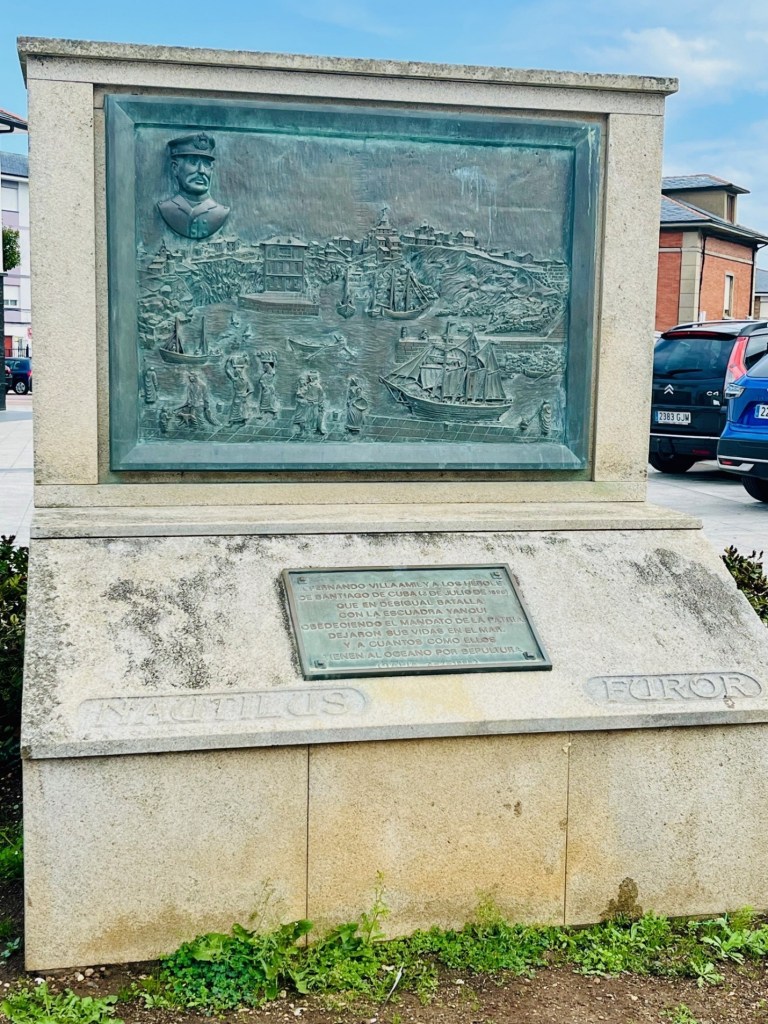
Asturias gave birth to the Camino de Santiago when King Alfonso II set out from Oviedo to visit the saint’s grave. And it was in Asturias that Christianity’s 700-year struggle to recapture the Iberian Peninsula began when King Pelayo defeated the Moors at Covadonga in 722. Even today, Asturians are known for their military honor. In Tapia de Casariego we discovered a memorial to Fernando Villaamil and his crew who were ordered to “leave their lives in the sea” off Cuba during the Spanish American War.
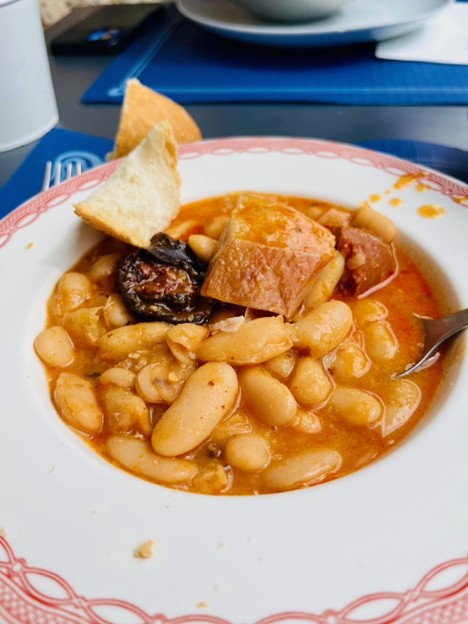
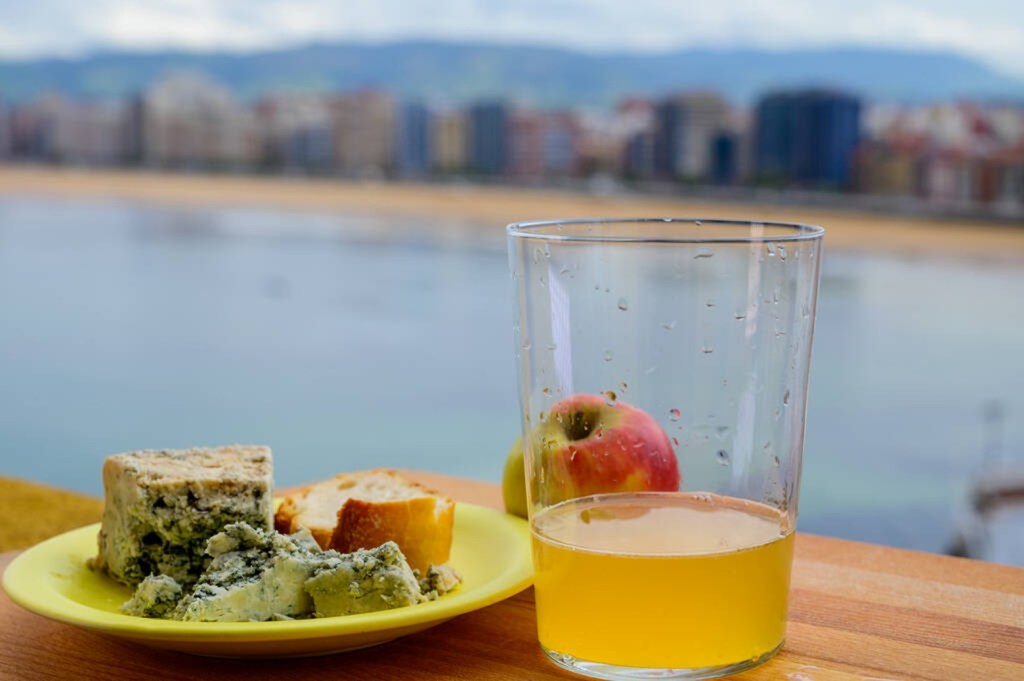
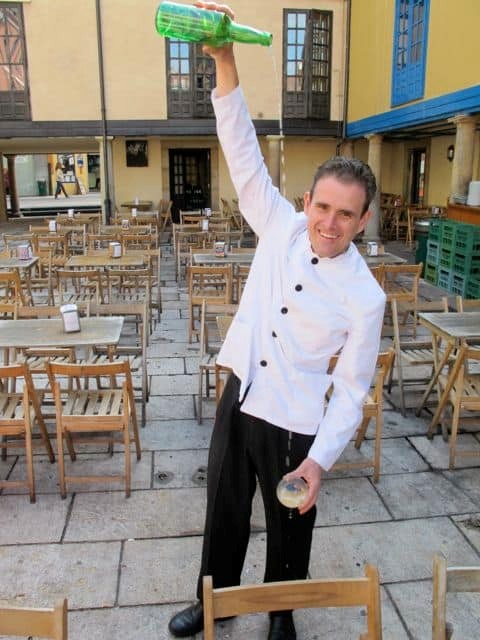
Fabada is the famous stew from Asturias. Made with pork, sausage and beans, it’s a hearty meal that goes down best with a glass of Asturian sidra (cider). Made from tart apples fermented with natural yeasts, this cider has a dry, earthy taste with crisp acidic notes. And the dramatic presentation to aerate the liquid by pouring it into small glasses from a height adds to the allure.
In Spain, cheese is its own food group. Eaten for breakfast, as a snack or post-meal dessert, there’s a cheese to go with anything. Or nothing – because it’s delicious on its own. Along the Camino del Norte the path traverses green pastures filled with cows, goats and sheep whose sole purpose is to produce cheese.
There’s idiazabal from País Vasco, a hard, nutty cheese made from sheep’s milk, sweet Tetilla, a soft, creamy cow-milk cheese from Galicia, and Picón Bejes-Tresviso, a Cantabrian blue cheese. But Asturias is home to Cabrales referred to as the Prince Cheese of Spain. This intense blue cheese is aged in limestone caves at the top of the Picos de Europa giving it a sharp, spicy and acidic flavor with intense salty notes and a pungent, earthy aroma. Cabrales pairs well with sweet figs, honey or fresh fruit but pilgrims on the Camino mostly see it as a topping for burgers, poured over pasta, mixed into mashed potatoes or used to dip French fries. Because there’s no wrong way to eat Cabrales.

Galicia
The greeting never got old.
Daily the “buen camino” heard from locals helped lift weary legs and spirits. The traditional phrase wishing pilgrims success on their journey was offered along the trails in Basque Country, from passing cars in Cantabria and at bars in Asturias. But in Galicia, home to Santiago’s shrine, it took on even greater prominence.
As soon as we crossed the bridge above the River Ribadeo and arrived in Galicia, the first two people we met cheerfully offered their “buen camino.” Soon after, an elderly woman insisted we stop so she could give us a small prayer card and pendant of the Virgin Mary to carry on our trek. As we thanked her, she promised, “I’ll pray for you.”
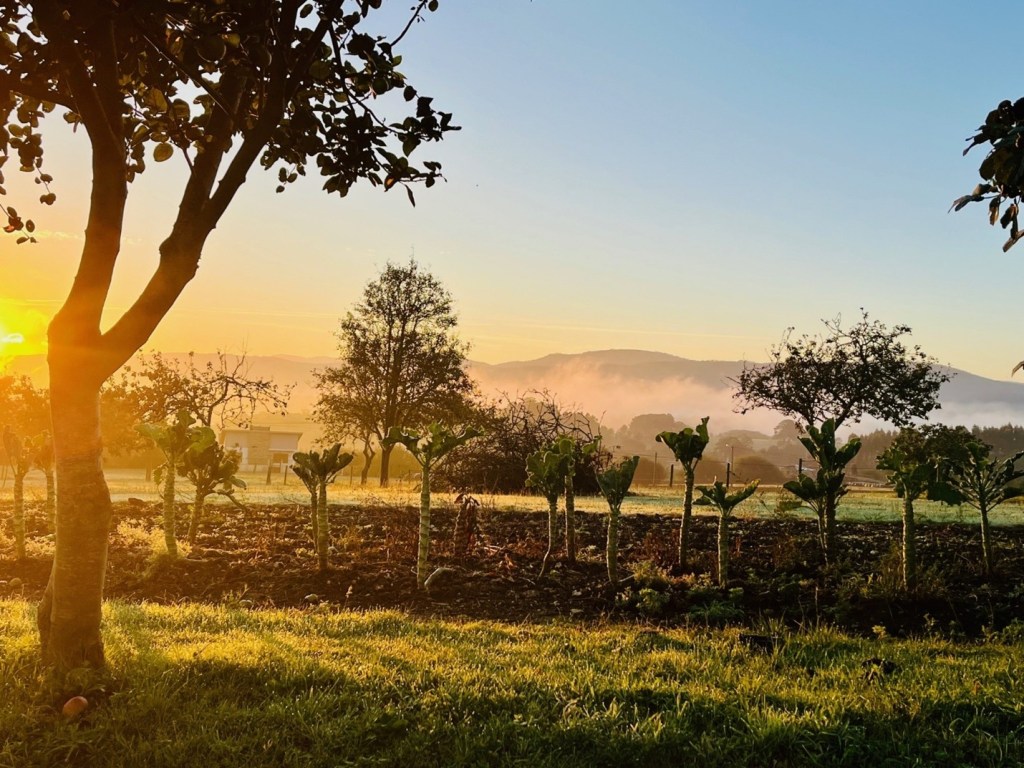
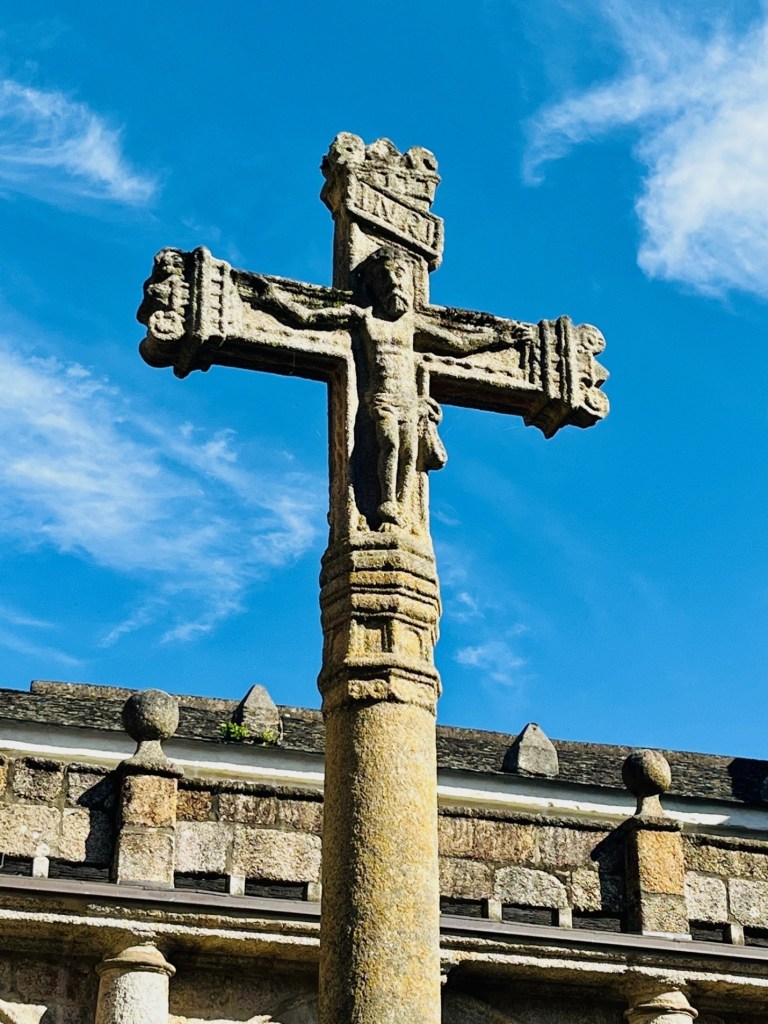
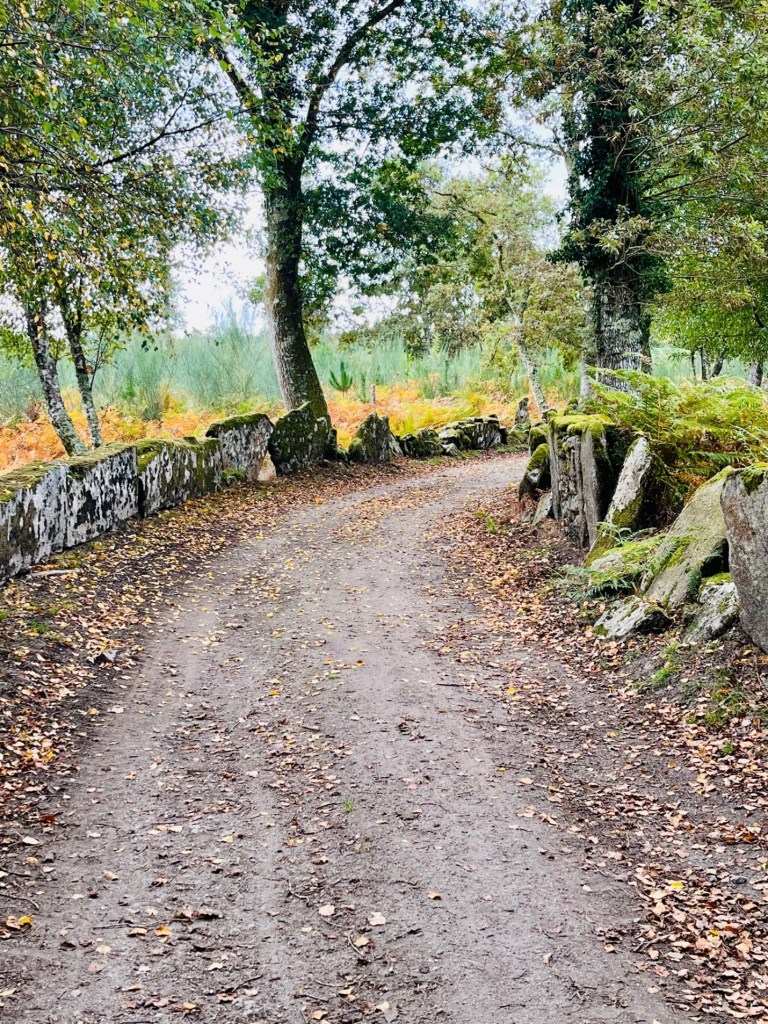
Leaving behind the last views of the coast in Asturias, in Galicia the Camino del Norte turns inland cutting across verdant green hills reminiscent of Scotland where strong Celtic roots are reflected in the music of the gaita, a local bagpipe. Here too eucalyptus forests dot the landscape along with statues of the crucifix and where limestone borders guided our way as the morning mist hung heavy in the valleys.
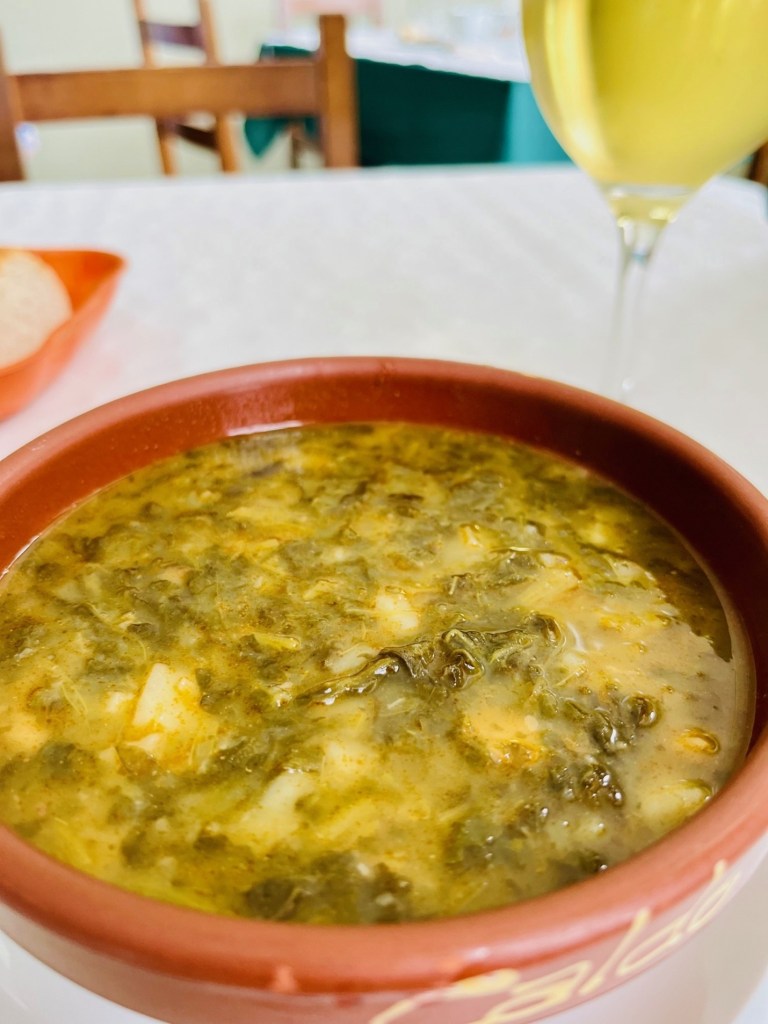
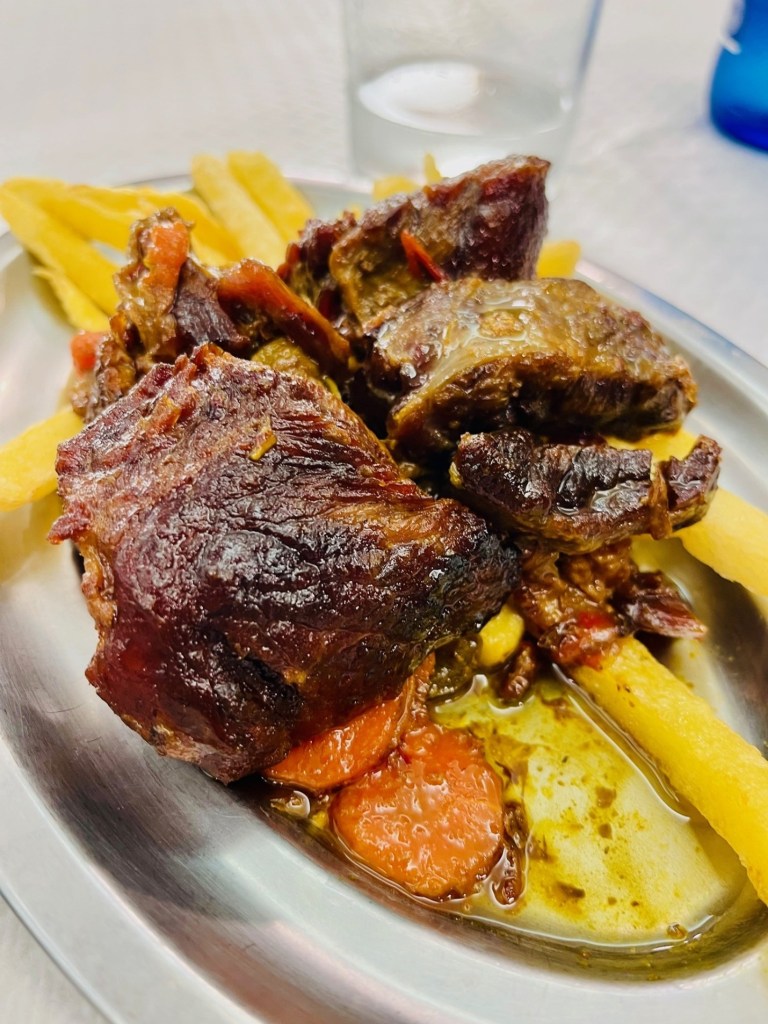
After long hikes, the Galician menu del día was more than nourishment. The three-course, pre-fixe meal was a welcome embrace, a chance to rest our feet and an opportunity to taste the delicious flavors of Galicia. Each day my starter of choice was the caldo Gallego, a warm and satisfying soup made from chicken stock, turnip greens and white beans served with hunks of fresh bread.
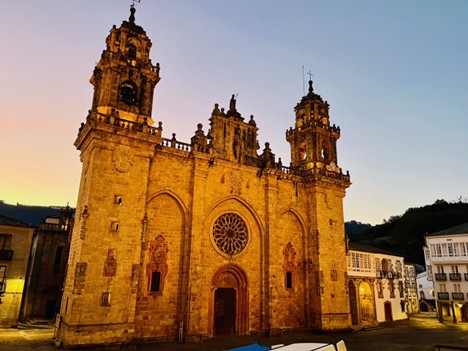
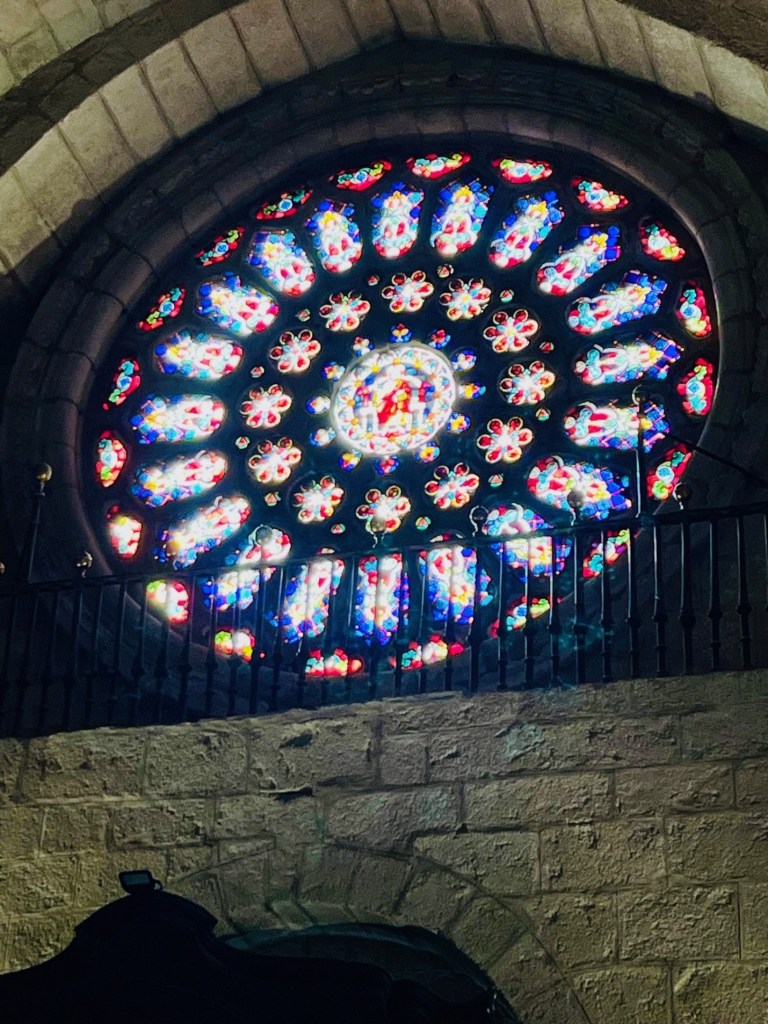
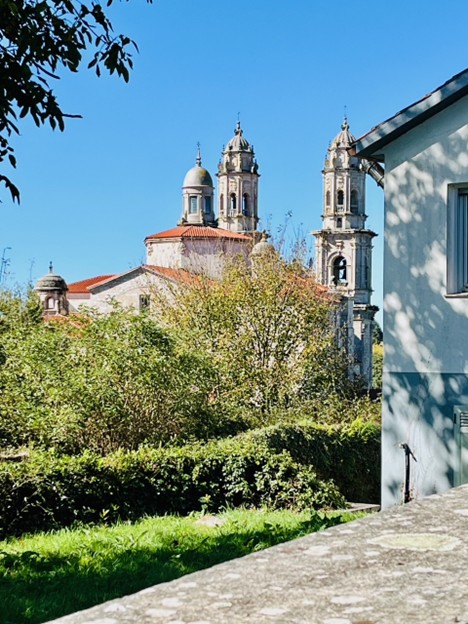
As we traversed across Galicia the religious sites became more elaborate. In Mondoñedo a lovely Romanesque cathedral features a Gothic rose window while in Sobrado dos Monxes the traditional pilgrim hostel (or albergue) is inside a Cistercian monastery. Founded in 950 and restored in the 17th century, the monastery’s monks welcome pilgrims with evening vespers and provide inspiration for the final three stages before Santiago.
 Reid & Robie
Very interesting! The pictures are great.
LikeLike
Thank you! 😉
LikeLike
Lovely travelogue. With focus on cuisine and landscape…enjoyable.
LikeLike
Muchas gracias! 😉
LikeLike
Great article & photos!
LikeLike
Thank you so much! 🙂
LikeLike