
Livin’ la Vida Loca
– Ricky Martin
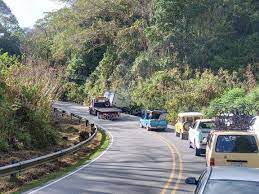
Robie and I sat in the longest line of traffic either of us had ever seen.
Behind the line of cars, we lingered at a standstill and kept time by the dozen or so vehicles that flew at us every 12-15 minutes. But on our side of the two-lane highway nothing moved. As time wore on, the people around us got out of their automobiles to chat, men walked into nearby bushes to take care of business, and everyone craned their necks for a peek around the sea of bumpers winding off into the distance.
Though they’re an inescapable part of our modern, everyday lives, on vacation, traffic jams define the term ‘wasting precious time’. And on the heels of the ticking stopwatch that suddenly appeared hovering above our lives and marking the countdown to Robie’s retirement, the endless wait along the Costa Rican highway threatened our exploration of the country.
Before we left home, I recalled a long ago visit and the country’s assault on my senses. The grey layer of smog that hung over the Central Valley, the acrid odor of sulfur surrounding Arenal volcano, the colorful hand painted ox carts in Sarchi, and the high-pitched screeches of howler monkeys in Monteverde. But I mostly remembered the wide stretches of unpopulated beaches in Guanacaste and the rhythmic sound of the Pacific lapping against the shore.
But I knew things had changed in the decades since I’d last seen Costa Rica. For most of the intervening years the country sat atop every international list of places for American retirees as magazines touted the low cost of living, tropical weather, healthy cuisine and access to healthcare. More recently, during the pandemic the country was one of the first to offer digital nomad visas and entice techie millennials to spend their hard-earned cash in Costa Rican colones.
Flanked by the Caribbean and the Pacific, the allure of Costa Rica is well known. The country boasts no standing army, has one of the world’s highest literacy rates, and Ticos (as Costa Ricans are famously known) enjoy a longer life expectancy than Americans. In a region known for military dictatorships and drug cartels, government mismanagement and poverty, this little gem tucked between Nicaragua and Panama escaped the brutal history of its neighbors.
Following the discovery of the New World, Spanish conquistadors traipsed across the landscape from the eastern shores of Florida to the jungles of the southern Amazon lured by mythical tales of gold. Along the way they carved out huge land grants and built immense haciendas on the backs of the natives. Once settlers arrived at the crossroads of the Inca and Aztec empires, they found the fertile, volcanic soil ripe for farming and the region’s once thriving population decimated by European diseases. Without a built-in labor force to work large plantations, the farmers were compelled to till vastly smaller plots that left large swaths of the country untouched, a legacy that continued until Costa Rica protected more than a quarter of its landmass in national parks.
For our trip, Robie and I started in San Jose spending a cool fall day wandering through the capital’s small yet impressive collection of museums. The next morning, we drove a rental car to Monteverde Cloud Forest, winding up mountain roads in time to join a night tour in the park. Armed with flashlights, we followed the guide’s beam highlighting large, hairy spiders, hundreds of baby frogs writhing in the pond, and an unusual nocturnal insect known as the Walking Stick Bug that looked like a twig with legs. For two days we traipsed through the morning mist until the skies cleared and we saw breathtaking mountain vistas. In the afternoons we returned to our veranda to watch wisps of vapor roll through the canopy of trees. And once we left, we looked forward to lounging on the beach in Tamarindo vying for waves on rented boogie boards. But when we got stuck behind a line of never-ending traffic along the Pan American Highway, the delay threatened our chance to see anything on the Pacific coast.
The 19,000-mile Pan American Highway running from Alaska to Chile is referred to as “the world’s longest motorable road” despite having never been completed. On either side of the Colombia-Panama border the thoroughfare abruptly ends at the Darien Gap, one of the most perilous places on the planet. In this primitive wilderness law enforcement is non-existent, flash floods are common, rape and robbery are frequent, and in the jungle, a broken leg is often fatal. Wide river deltas, flat marshlands, coastal mountain ranges and rainforests hamper modern construction efforts leaving a 60-mile gap in the world’s longest roadway.
In central Costa Rica, the two-lane Pan American Highway links the major cities while twisting around the landscape in sharp, hazardous bends that can be risky in good driving conditions. And after a midmorning rain shower followed our descent from the cloud forest, Robie and I knew there were patches on the pavement that remained slick. By the time the line of cars finally started to move, we nudged the rental vehicle into second gear before stopping again a hundred yards further down the road. As ambulances hurried past and visions of carnage from a horrific accident filled our thoughts, we continued the stop-and-go process until we finally made it to the site of the excruciating hours-long delay. But instead of averting my eyes from the bloody scene, I rolled down the window and craned my neck for a better look.
Near a small roadside café, a dozen people marched with handmade signs. But instead of picketing alongside the road, the protestors were demonstrating across the Pan American Highway. And despite the waste of valuable time, Robie and I were lucky. Because once cleared, we drove past a line of stopped vehicles for more than 25 miles. When we finally reached Tamarindo I asked a guy at the hotel about the blockade, but he only shrugged. So after we returned home, I needed to dig deeper.
An online article by The Costa Rica Star, a digital publication “blurring the line between Tico and foreigner [to] bring everyone interested in Costa Rica together,” highlighted the demonstrations and explained that while gold mining had been legal in one region of the country for over a century, an eight-year struggle to stop illegal mining elsewhere had cost Costa Rica millions in losses and incalculable damage to the environment. Then, following the government’s monthlong ban of the sale of gold, the prohibition prompted hundreds of miners to protest and shut down the country’s primary overland artery.
Within months, news reports from the Central American nation reached us of a landslide that swept a bus down a 75-meter cliff and killed nine people on the famed freeway. According to the story, the accident followed years of poor maintenance prompting the government to close sections of the highway for emergency repairs and suggest drivers find alternate routes on roadways that were largely unpaved. After more sleuthing, I uncovered a 2016 U.S. government report citing the challenges American companies could expect if they tried to expand their operations into Costa Rica. Topping the list was the extreme vulnerability of the country’s infrastructure at ports, on roads and along railways.
As we crossed Costa Rica, Robie and I faced navigational challenges beyond the protesting miners. Unreliable road maps, a lack of street signs and a dearth of internet service led to more than a few miscues. But with the aid of friendly locals, we always found our way. Eventually.
Wherever we went, Robie and I enjoyed the deliciously fresh Costa Rican food, marveled at spectacular views and chilled to the laid back vibes, particularly among the tan, fit, Jeff Spicoli wannabes in Tamarindo. As expected, we saw plenty of ‘for sale’ signs outside newly constructed, American-style condos inside gated communities. And thanks to the ongoing pandemic, we sampled the country’s top-notch healthcare system for our required COVID tests. But while Costa Rica had everything we thought we wanted in a retirement destination, Robie and I couldn’t quite get past the small, disgruntled group of citizens who’d been able to shut down the Pan American Highway.
And soon Robie and I were making plans to visit the next destination on our potential retirement list.
 Reid & Robie
Are you going to turn these into a book? You should.
LikeLike
Thank you for your kind comments, Shirley. If we ever have the privilege of working with a literary agent or publisher, we will definitely let everyone know!
LikeLike