
A touron is one-part eager tourist and one-part well-meaning moron.
– Kelsey Timmerman
Robie and I are aware of our position. It’s hard not to be.
We don’t speak the language, don’t dress like locals, walk too fast, have difficulty figuring out change in the native currency and linger at waterfront cafés during work hours. We’re the clueless gringos wandering around the grocery store using Google Translate to decipher labels in Italian, Greek or Albanian, and the only foreigners at local football matches.
But Kelsey Timmerman’s definition of a touron didn’t seem like he was talking about us. At least not until he argued that since it’s impossible to leave your cultural baggage behind, everyone outside their own home is a touron – making two homeless, full-time nomads uber tourons.
According to Timmerman, even those who wax poetically about being travelers while condemning the cultural insensitivity of tourists are guilty of tainting foreign environments. So just because Robie and I select under-the-radar places away from tourist hotpots doesn’t mean we aren’t contributing to the problem.
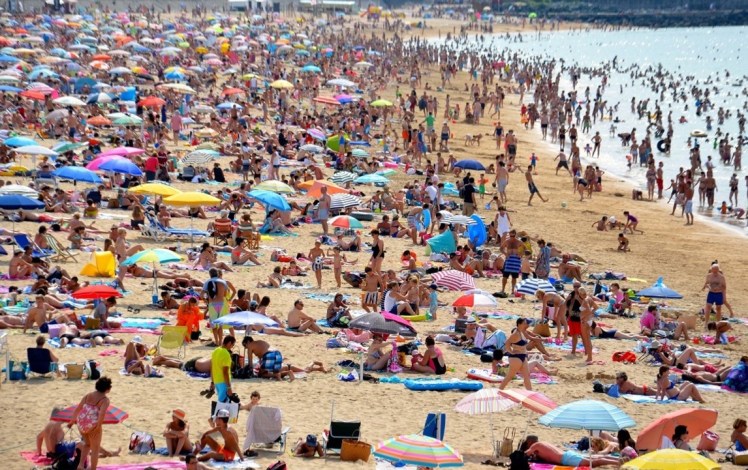
James at Spain Revealed recently asked readers how to define responsible travel in an age of overtourism and global housing issues. A Kiwi transplant in Spain, James helps curious people explore his adopted homeland through tours to local eateries and classes that guide future expats into setting up residence in Spain. And in a country that’s starting to push back against tourist congestion, James is on the frontlines.
While everyone agrees that floating cities with 5,000 passengers swamping Venetian canals for a few hours is a bad idea, James isn’t looking at what’s wrong. He’s searching for ways people can do tourism right, a way that benefits travelers as well as locals.
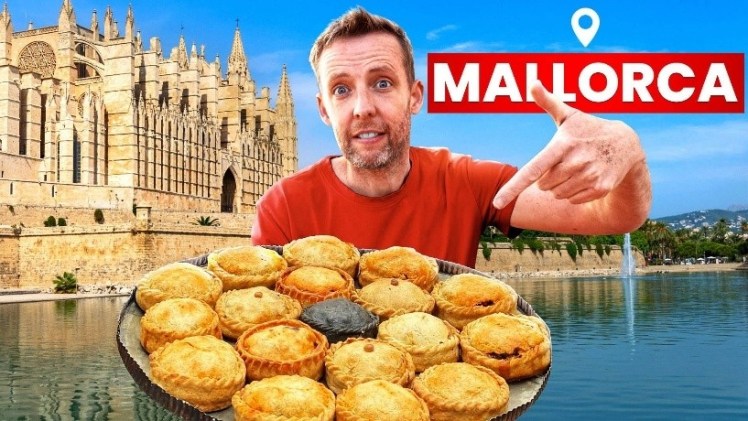
So, how do we support local cultures without accidentally eroding them in the process? Among the ideas, James promotes seeking out dishes that originate from a specific place – not the dishes we think do. In sunny Mallorca James explains how most of the restaurants no longer serve the island’s native cuisine but offer Spanish dishes like paella and tapas because that’s what tourists expect. They don’t know the history behind the region’s delicious almond cake or arroz brut, a hearty rice stew made with meat, vegetables and spices.
James’ advice? “Look for hyper-local dishes, the ones that aren’t on every restaurant menu, the ones locals still cook at home.” So it goes without saying that we should steer clear of the places that serve only pasta, burgers and pizza – unless you’re visiting the land that invented them or makes a famous version. Because that doesn’t help either.
In a section under the heading “Be conscious of how you stay,” James advocates, “in tourism-heavy neighborhoods where locals are being priced out, maybe it’s worth choosing locally owned hotels, small guesthouses, or places outside the pressure zones.”
In other words, no renting someone’s second home or staying in an apartment offered by an Airbnb mega-host. And if you insist on being in Barcelona’s Gothic Quarter, be sure you’re booking a small, locally run hotel. But is that even possible anymore? A look at the neighborhood where Robie and I stayed in a quaint 3-star hotel in 2018 is now filled with 4- and 5-star hotels amid an array of rental apartments and only one – apparently out-of-business – bed and breakfast.
In some tourist hotspots officials are searching for ways to relieve the limited housing supply by clamping down on vacation rentals. New York has enacted restrictions where more than 2 guests are prohibited from renting an entire apartment for stays less than 30 days and owners are required to be present during the full rental period. But these well-meaning policies have also led to a spike in hotel rates.
During our trip to Mykonos in December, Robie and I found an empty shell of a city. High-end boutiques were shuttered, beaches were empty, and waterfront bars that had been packed with the international jet-set a few months earlier were locked. Mykonos was closed for business and only a handful of elderly people still lived in the picturesque old town. When I commented to a chatty café owner about the lack of residents, he explained that when grandma died, her children made enough money turning the apartment into an Airbnb that they could afford larger, more modern homes elsewhere on the island. “So, who cares if the old town is uninhabited?” he asked.
I did.
While a happening vibe and nice view are great, it’s the authenticity of a place where people live, love and work that resonates with me. It’s stepping onto a bustling streetcorner in the Roppongi district in Tokyo to watch the controlled chaos of the city, entering a boulangerie in Paris and breathing in the fresh-baked baguettes and hot butter croissants, listening to Mozart at the Vienna Konzerthaus, and the difference between a trip to Morocco or China versus strolling through the World Showcase at EPCOT.
Last season more than 2 million people visited Mykonos with nearly half stopping for the day on a cruise. To put this figure into perspective, the tiny, 85-square kilometer island with 11,000 residents welcomed more visitors in six months than Peru did in a year. So, when I suggested to the same café owner that a Christmas market might bring tourists to the island in the off season, he explained how the locals didn’t want to turn Mykonos into a year-round destination.
That’s one way to combat overtourism.
But based on the annual glut of Instagram accounts showing packed streets and bars in the summer, I wondered why a destination would willingly abandon its capital, turn it into a shopping mall filled with chic restaurants, all-night bars and rental apartments catering to tourists half the year, and then leave it a ghost town the rest of the time. Because that’s the equivalent of forcing Romans into Lazio suburbs to make Italy’s famed Seven Hills a tourist-only area, one that’s cleaner and quieter certainly. But also unnatural and surreal.
To limit our impact on overtourism, Robie and I rent apartments run by locals, stay months at a time, visit neighborhood establishments and travel in the off season. And once in-country we do our best to emulate – if not integrate. In Liverpool we sat with the locals watching Premier League matches at the pub. In Ikaria we joined families as the parish priest blessed the waters and threw a cross into the sea for Epiphany. In Albania we celebrated Summer Day like our neighbors and ate ballokumem, simple corn flour cookies. But despite these efforts, we still contribute to the housing issue.
In 2007 when the founders of Airbnb rented air mattresses to travelers in their San Francisco apartment they couldn’t have imagined the $11-billion business it is today. Yet while the platform gives travelers more options, it also encourages landlords to switch from offering long-term rentals to short-term vacation homes. This shift, coupled with a global pandemic that disrupted supply chains, led people to buy second homes and put an already beleaguered construction industry further behind demand has made it difficult for many to afford homes or their rapidly rising rent. And in the most coveted tourist areas residents are being displaced.
In Therma on Ikaria former family homes along the waterfront are now rental apartments. People who once lived above their shops and restaurants now commute exacerbating traffic and forcing municipalities to add parking and update old road systems. In the ever-expanding city of Sarandё residents are being pushed into neighborhoods far from the beaches, some into areas that lack city services.
While on a hike in the steep hills above Sarandё in Albania, I ran into our regular waitress at the taverna a few blocks from our apartment. On her way to work, Kristiana said she walked the three-kilometer route twice-a-day every day while Mario, another server at another restaurant, couldn’t afford to live in the city and so hitched eleven miles to work every day. But he said he was happy to do it because this was the first year Sarandё had seen enough winter tourists to keep him employed through the off-season. And with a couple more good years he’ll have money to move to Sarandё.
So, is our presence here helpful or harmful? As two global nomads bringing money and jobs to local communities while contributing to overtourism and housing challenges, Robie and I admit it’s complicated.
And a bit of both.
 Reid & Robie
Thank you for your insight. We want to see the world and be considered travelers who care about our environment and the world. But there’s no way around the sad fact that travel, in and of itself, causes an impact.
LikeLike
Jill, how right you are. There’s simply no way around it. But that doesn’t mean we shouldn’t be respectful of the differences we encounter and the people we impact. Because in the end, isn’t the best part of travel showing others that though we come from someplace else, we humans are essentially the same?
LikeLiked by 1 person