
The Creator made Italy by designs from Michelangelo.
– Mark Twain
Hello, Robie here. I’ll be doing a few posts while Reid is completing her journey along the path of St James in northern Spain, the Camino del Norte. She and her sister are doing well and should complete their five-hundred-mile trek in roughly the next two weeks.
If you’ve dreamed of visiting Italy or perhaps have had the pleasure of going you probably think of the Big Three: Rome, Florence and Venice. And rightfully so. These destinations offer a wonderful look into the history, culture, food and beauty of this stunning country for your first visit. Should you find yourself returning to Italy – as I have been so fortunate to do – now on my fourth trip – might I suggest a few places that are off the beaten track? Let’s take a look at some areas that will provide just as enriching an experience as the Big Three but in many cases with less crowds and often at less expense.
Milan:
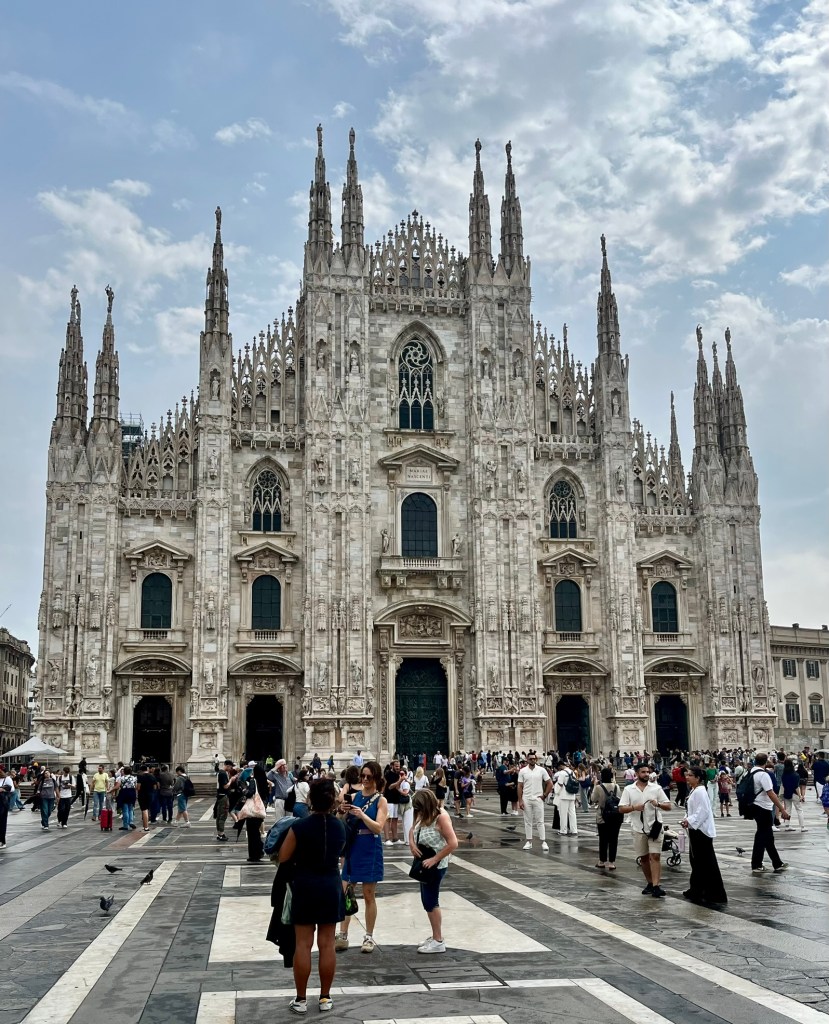
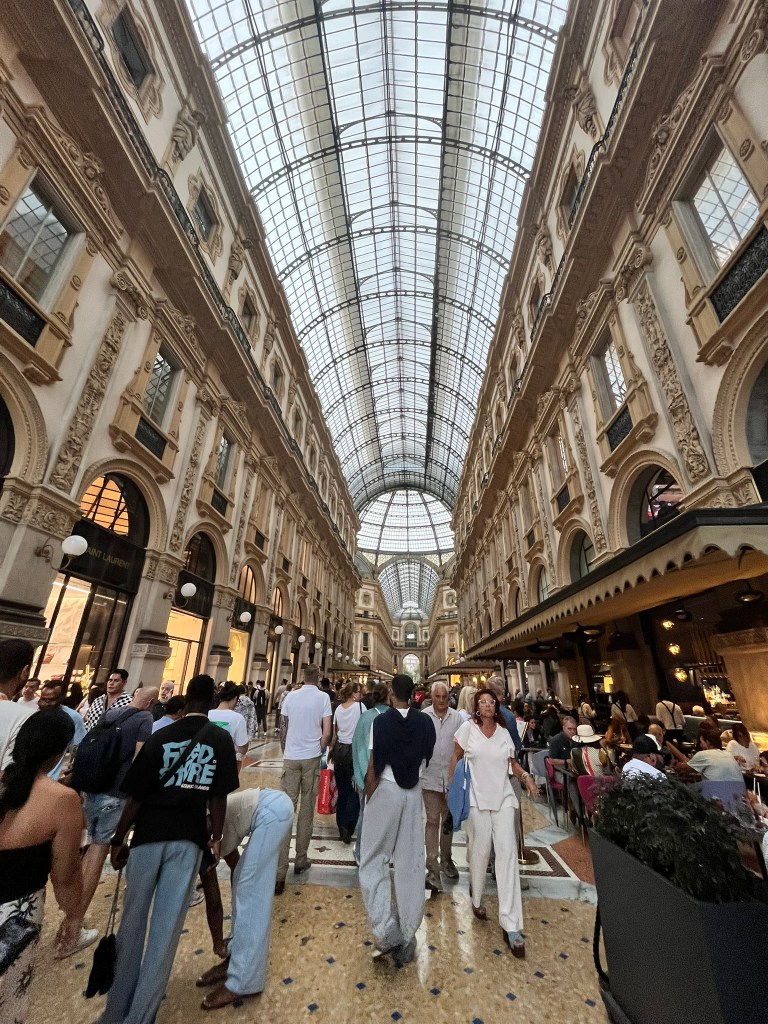
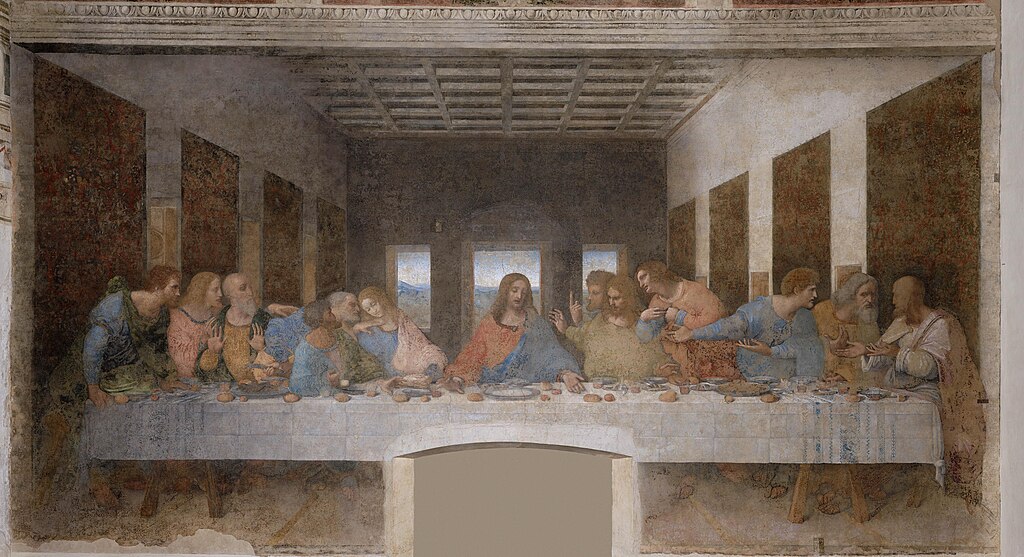
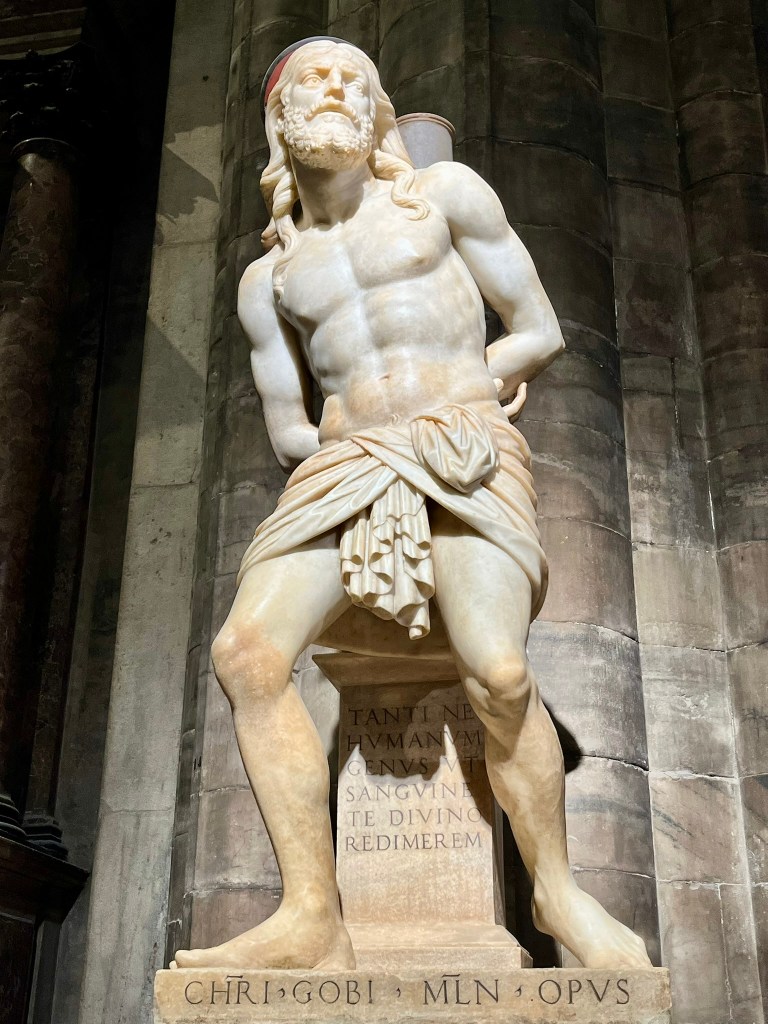
While Milan is also a popular tourist destination, you may find airfare to be less expensive from the United States than flights to Rome. It also serves as an excellent base for exploring northern Italy by train. A few days in Milan will give you the chance to see some of its beautiful highlights: the Duomo di Milano Cathedral; the Galleria Vittorio Emanuele II, which is only rivaled for luxury shopping by Rodeo Drive in Beverly Hills and the Champs-Élysées in Paris; and, if you’re lucky enough to get tickets, DaVinci’s masterpiece, The Last Supper. After you visit the picturesque sites of Milan, using the rest of your time to explore the Alps, wineries, castles or quaint fishing villages in the area would be a great way to make the most of your trip. Let’s take a look at some of these possibilities.
Zermatt, Switzerland:
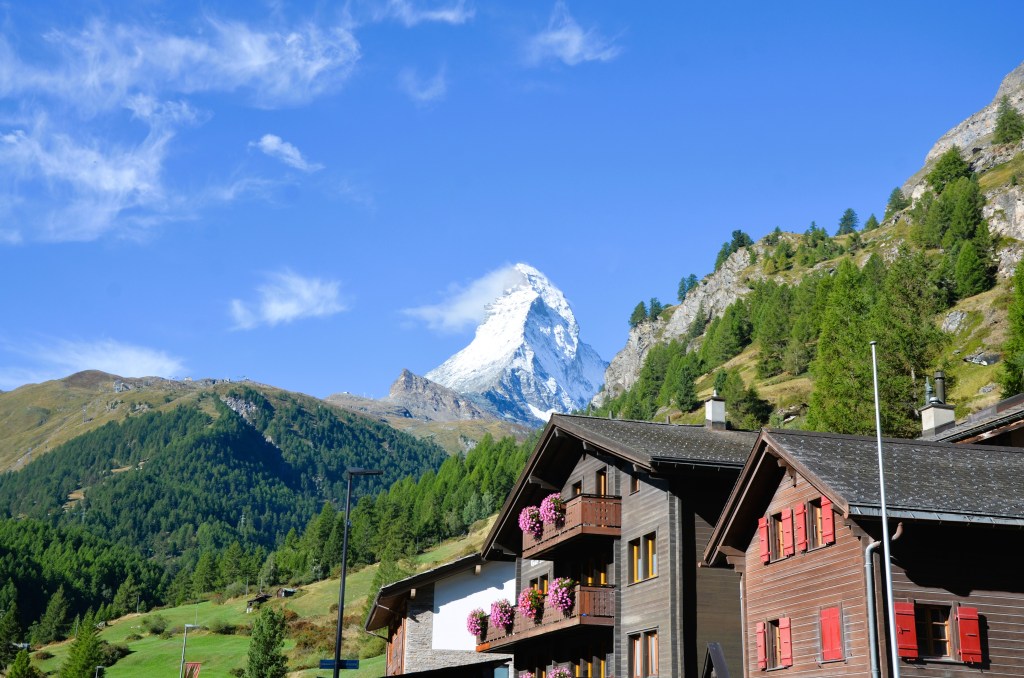
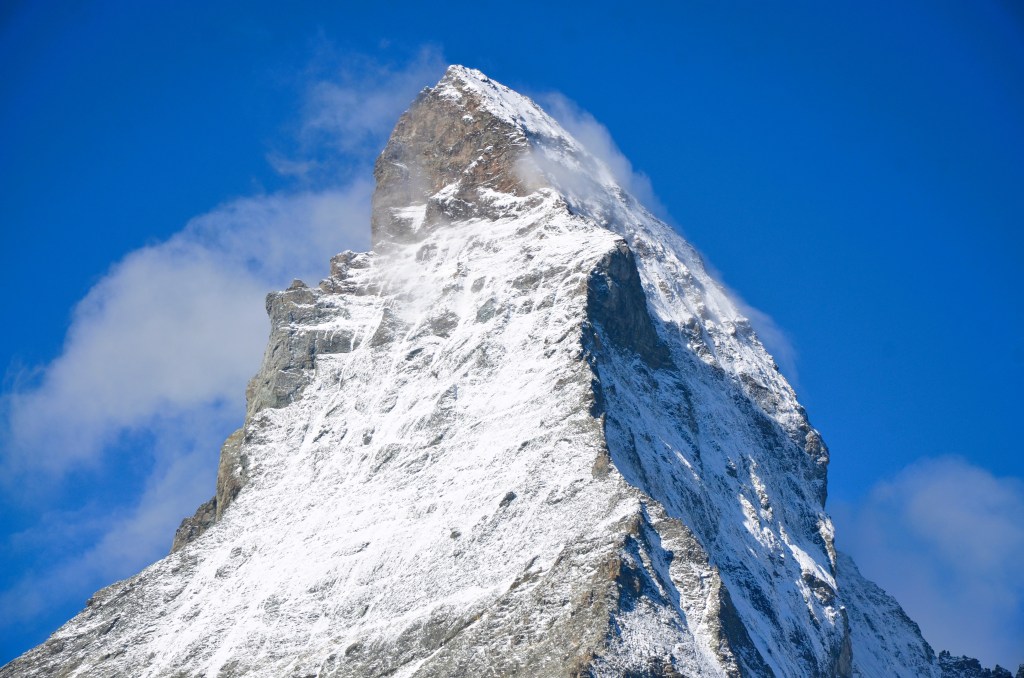
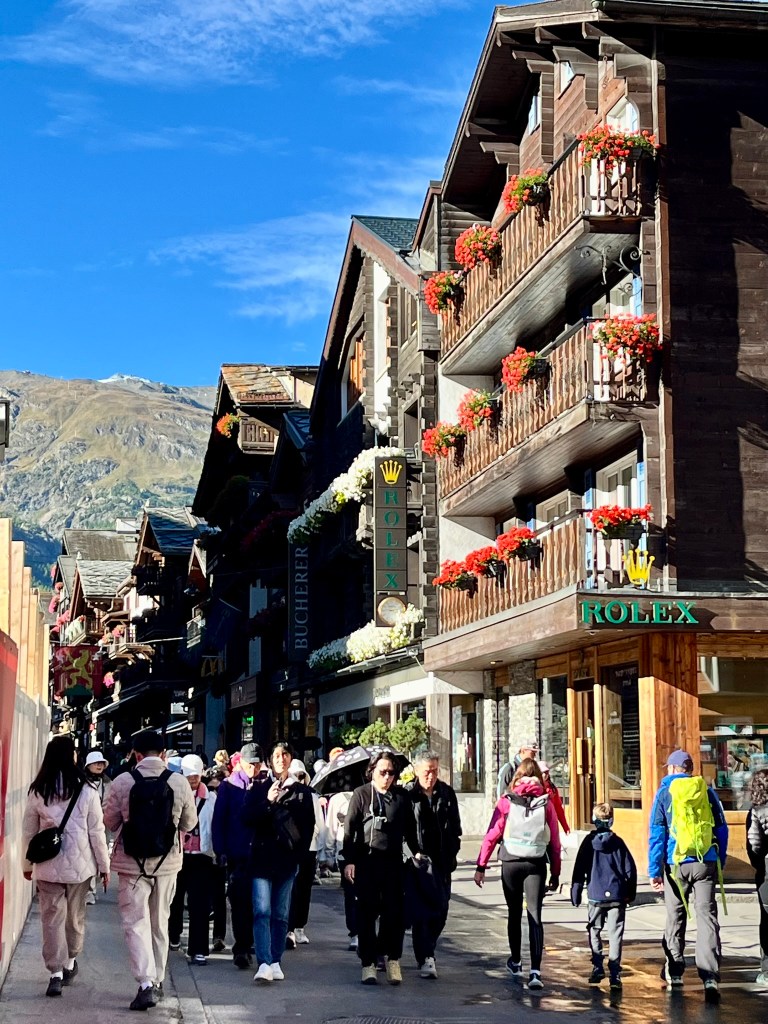
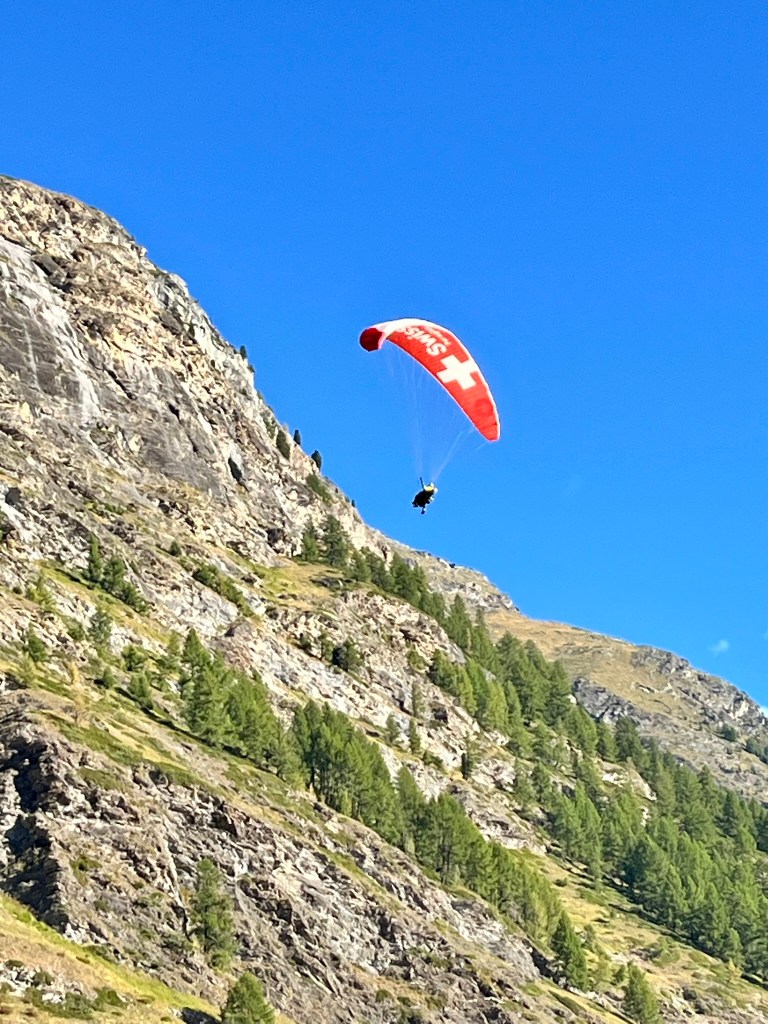
A four-to-five-hour train ride from Milan will bring you to the alpine village of Zermatt, just across the border from Italy, and home to the most famous mountain in Europe, The Matterhorn. The views from the train offer beautiful scenery of both Italy and Switzerland. There are no cars allowed in Zermatt, save a few electric taxis and buses to shuttle you from place to place, but it is a very walkable town.
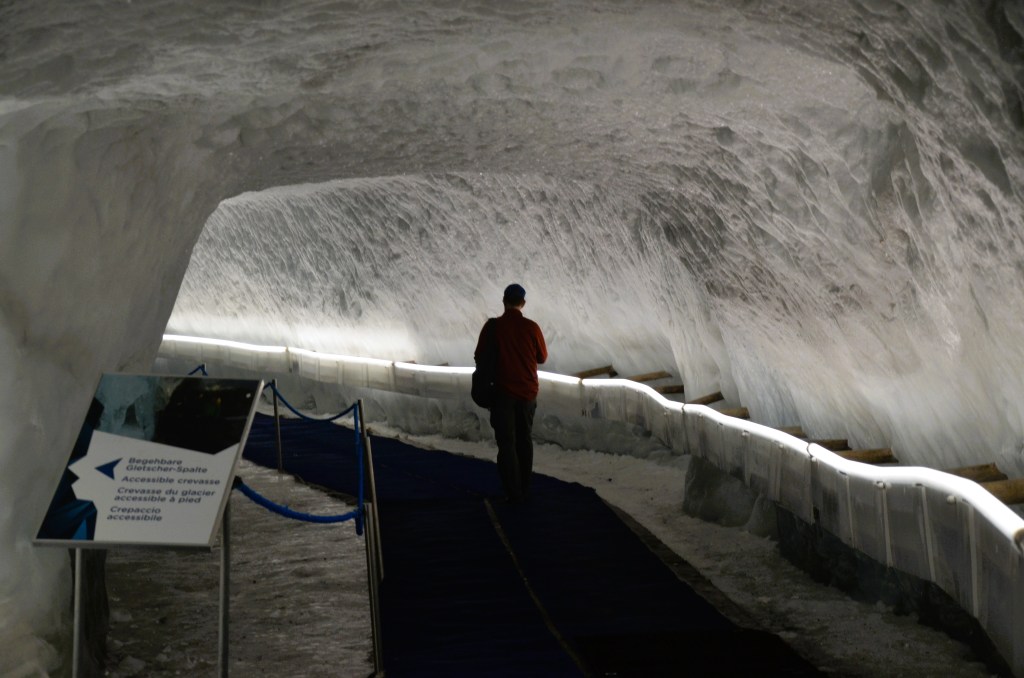
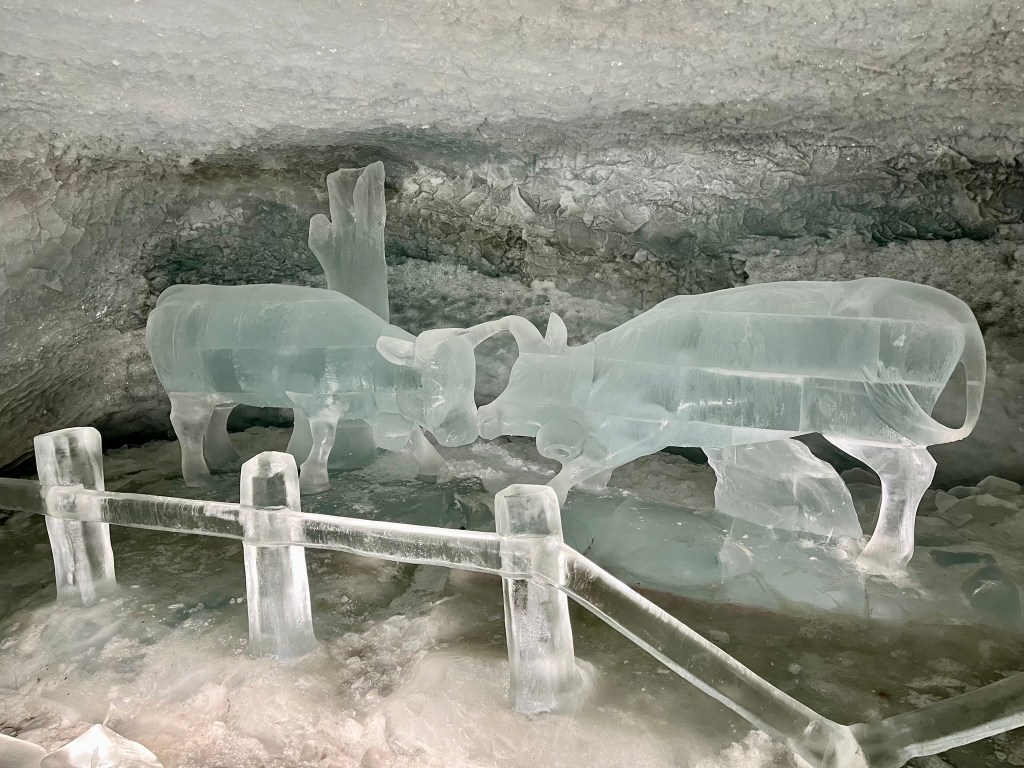
Zermatt is expensive, like most of Switzerland, so you may want to look at staying in Tasch. Cars are only permitted as far as Tasch, the last village before Zermatt, but shuttle trains run every thirty minutes. The area offers skiing in season, and there are numerous hiking trails to be discovered. The gondola to the top of the mountain runs year-round. Your gondola ticket allows you to get off for lunch or a glass of wine and enjoy the magnificent views of the Alps. Admission to the ice cave carved into the glacier at the top of the mountain is an added bonus with your gondola ticket.
Aosta, Italy:
The Aosta Valley is the smallest region of Italy and one of the least visited by Americans. It offers a more affordable way to visit the Alps and another of its most famous mountains, Monte Bianco, better known to Americans as Mont Blanc.
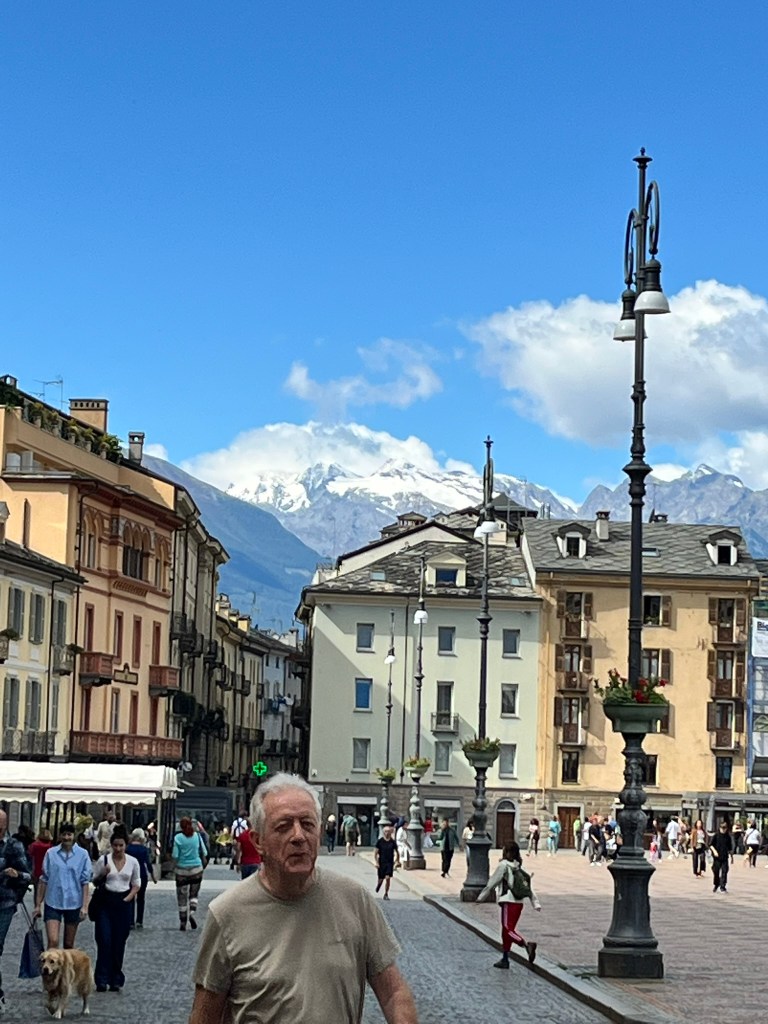
The town of Aosta makes an ideal base, offering rich history, renowned cuisine – especially the regions famous Fontina cheese – and a scenic landscape dotted with charming wineries, many of which welcome visitors. You can get here from Milan by train which takes between three hours forty-five minutes and up to five hours. Views from this train are just as impressive as the ones to Zermatt.
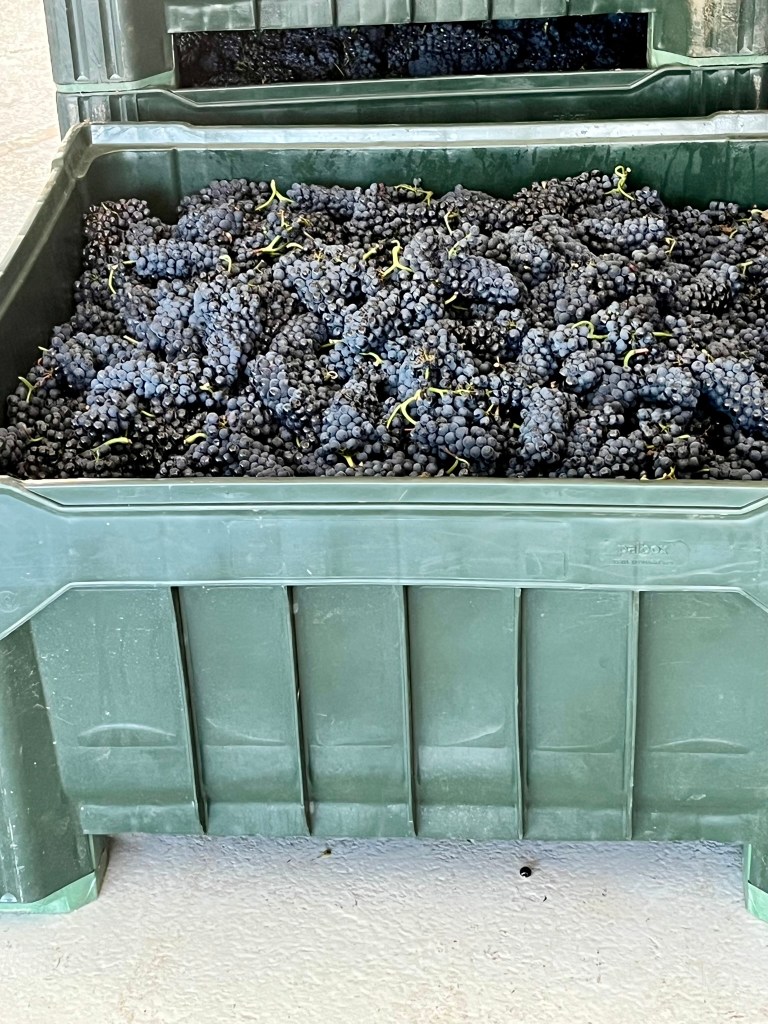
When we visited a small family run winery, Grosjean Vins, we were fortunate to be the only people on the tour and to witness the crush of the Pinot Noir grapes. As a wine lover, I enjoyed learning about the process from the crushing of the grapes to the aging to the bottling. The wine-tasting and charcuterie board at the end of the tour was a tasty highlight.
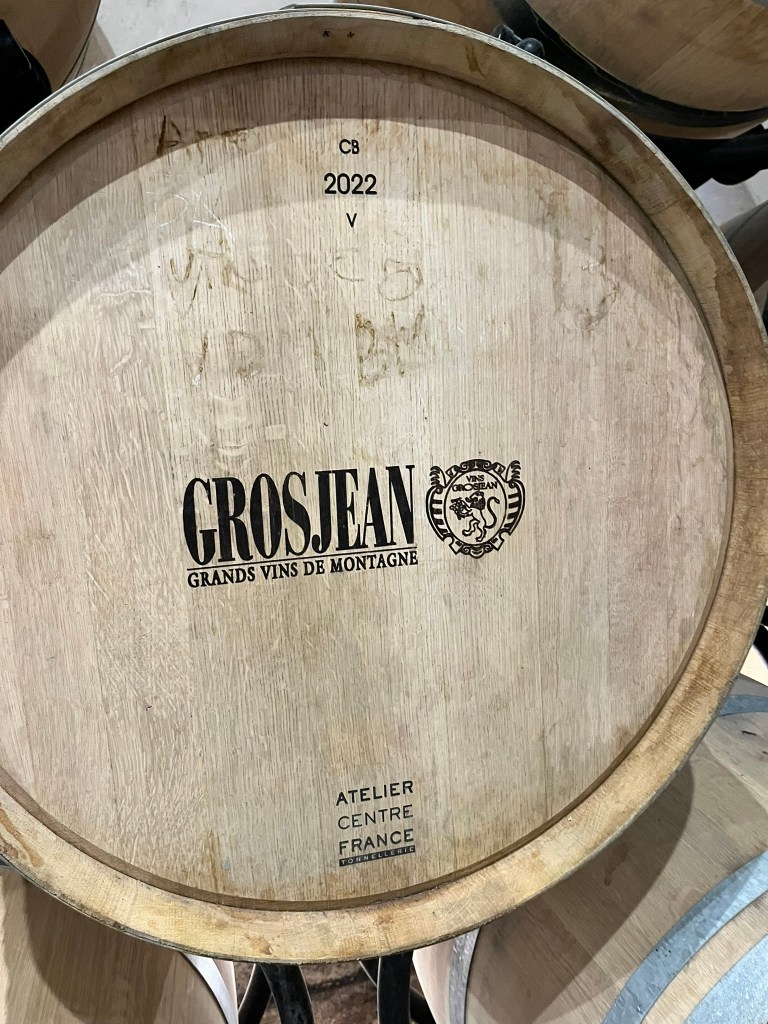
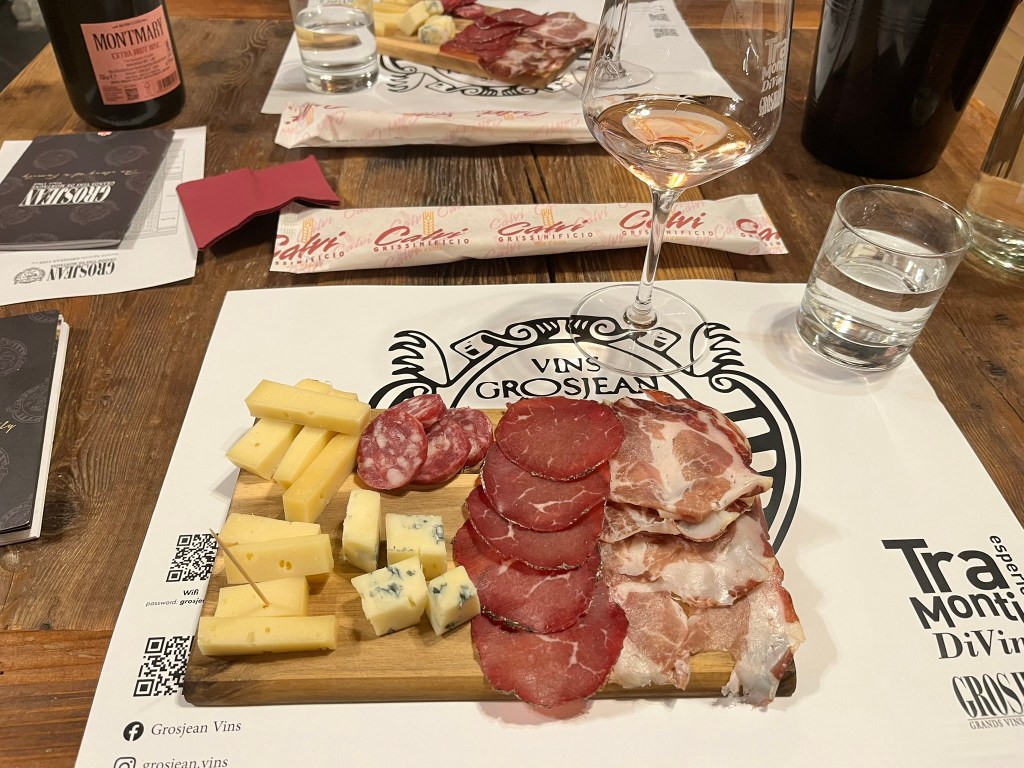
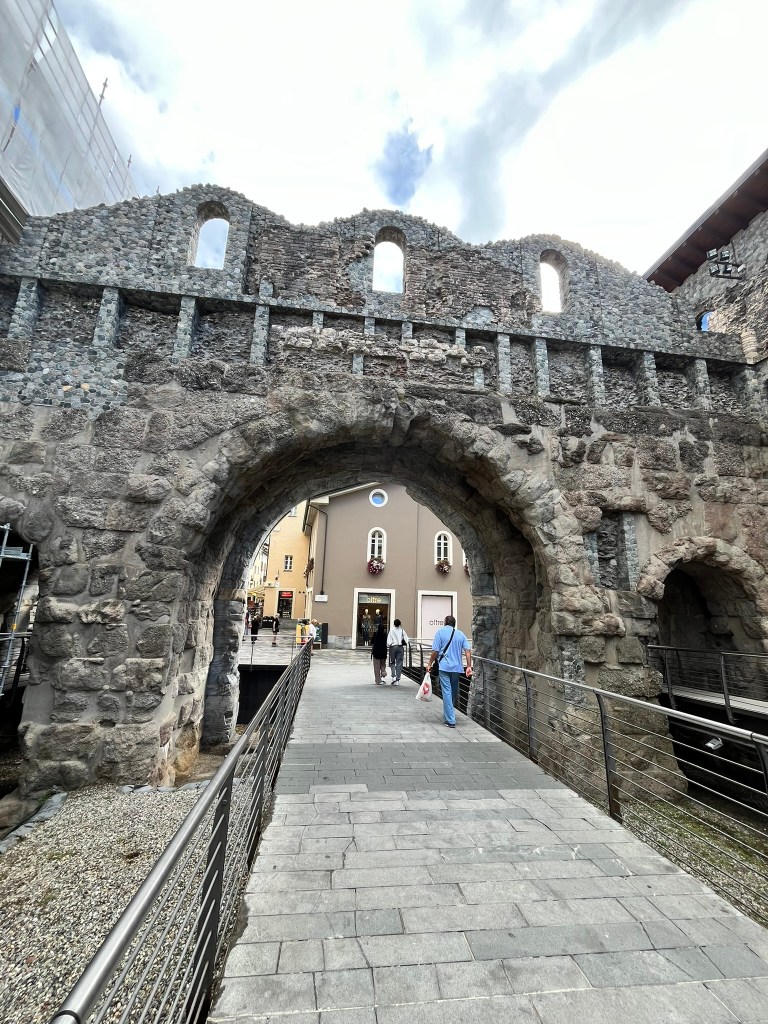
In the town of Aosta, you can explore the Roman theater, admire remnants of the ancient wall that once encircled the town, and visit nearby medieval castles.
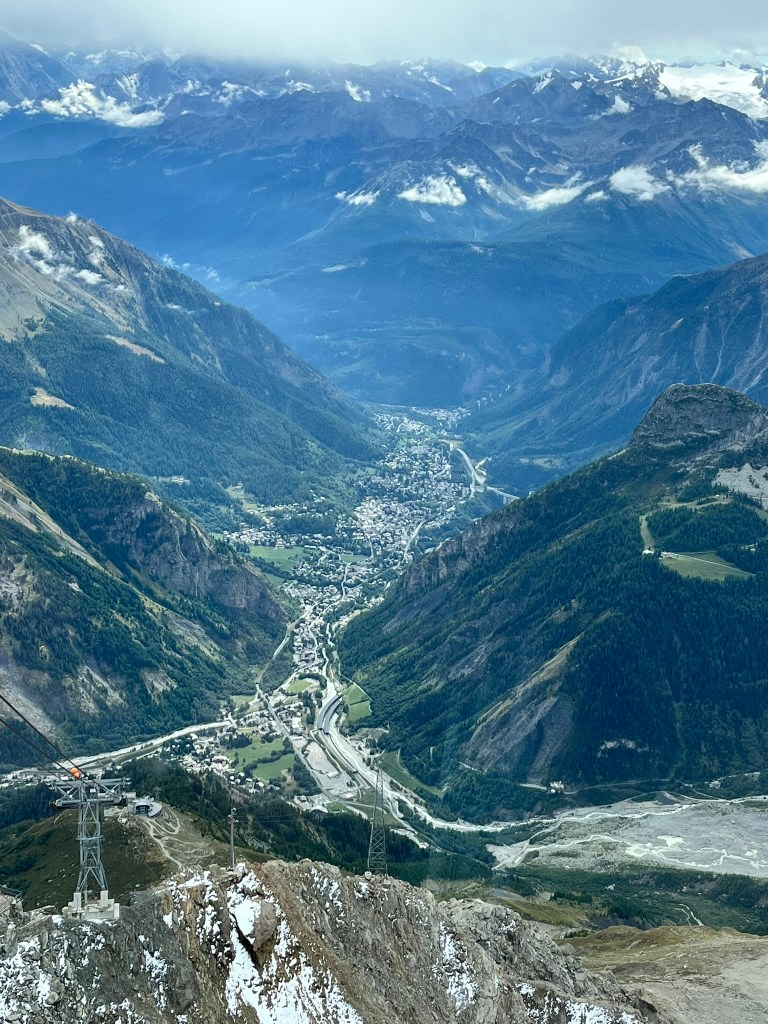
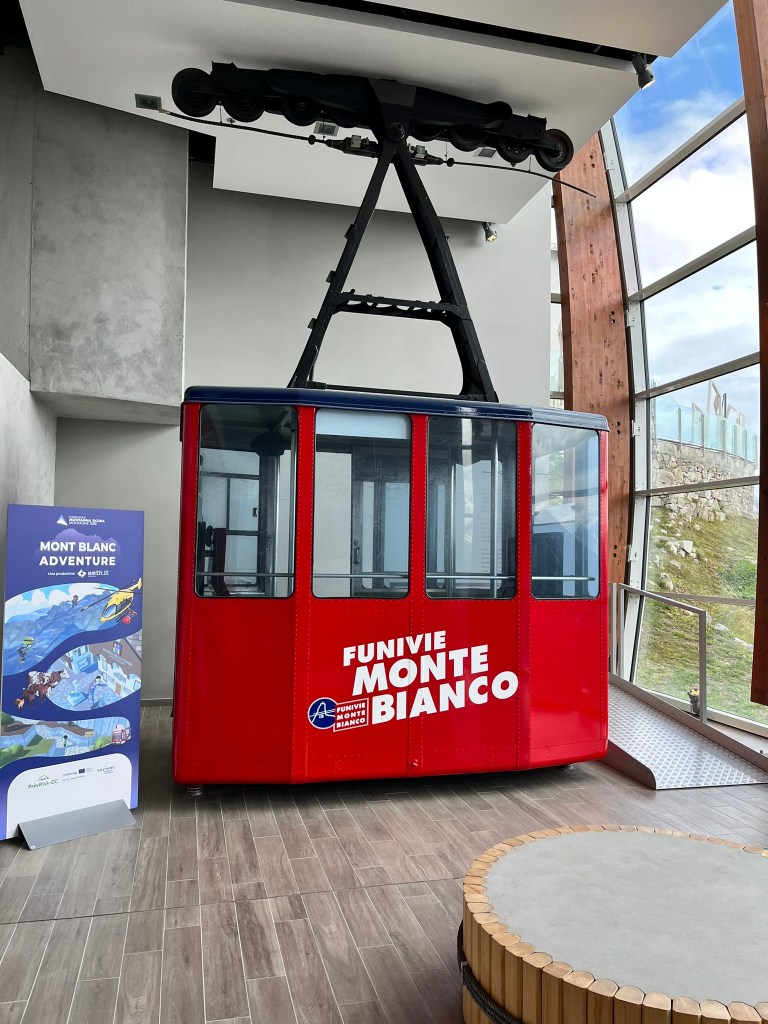
Just a few miles up the road is the small village of Entreves, where you can take a gondola up to the top of the mountain and enjoy the stunning views of the Italian Alps and Monte Bianco. There is hourly bus service from Aosta. When I visited on September 4th it was snowing at the top so check the weather and dress accordingly. I did not and was wearing shorts!
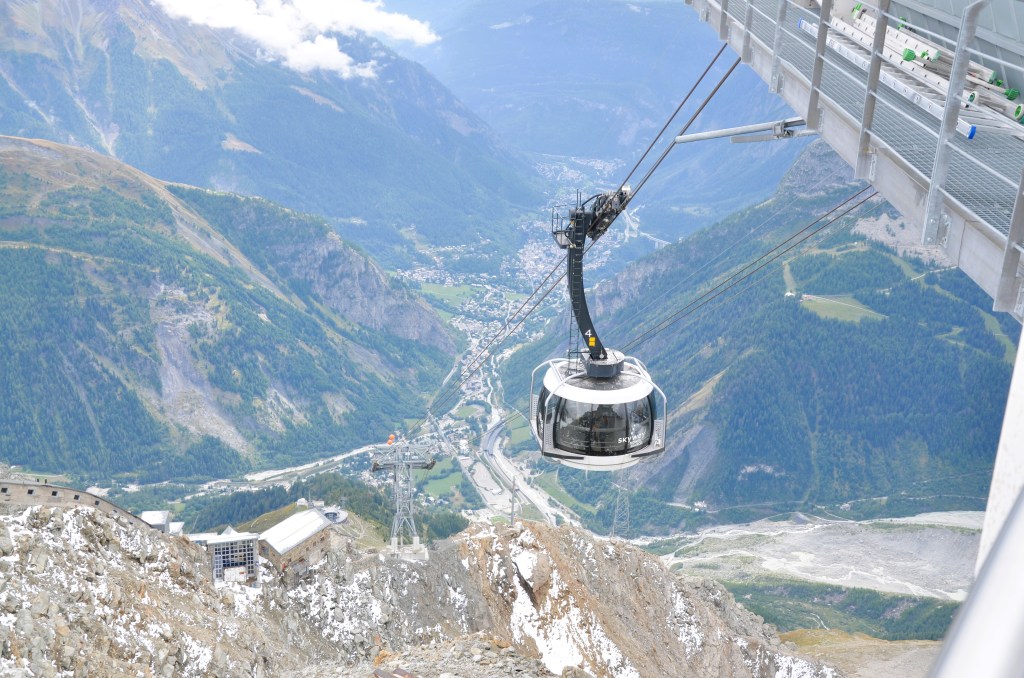
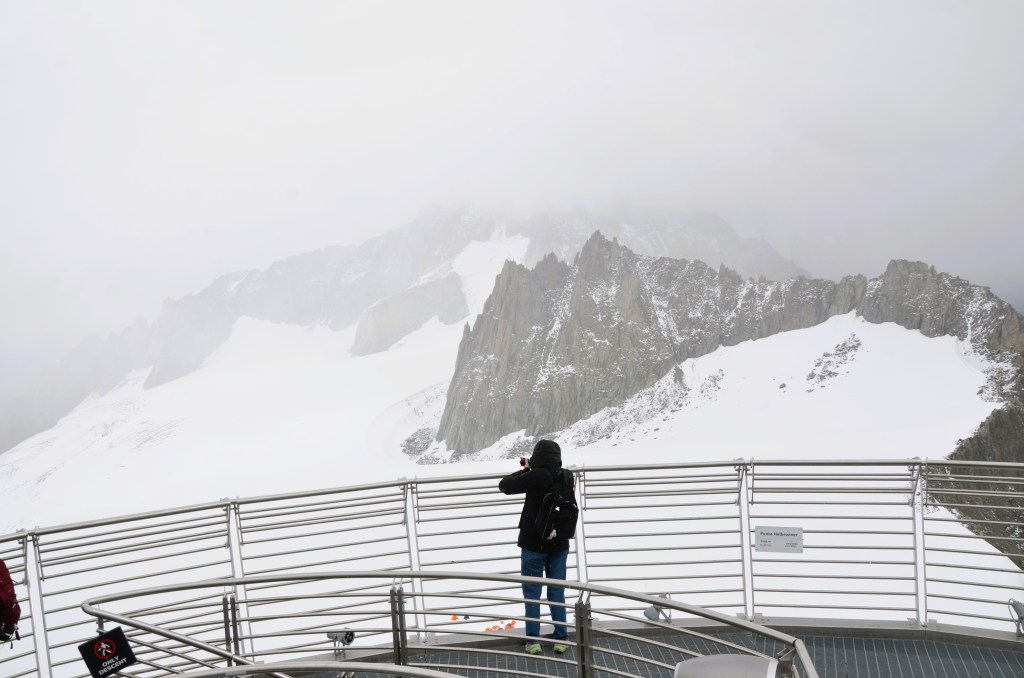
Alba, Italy:
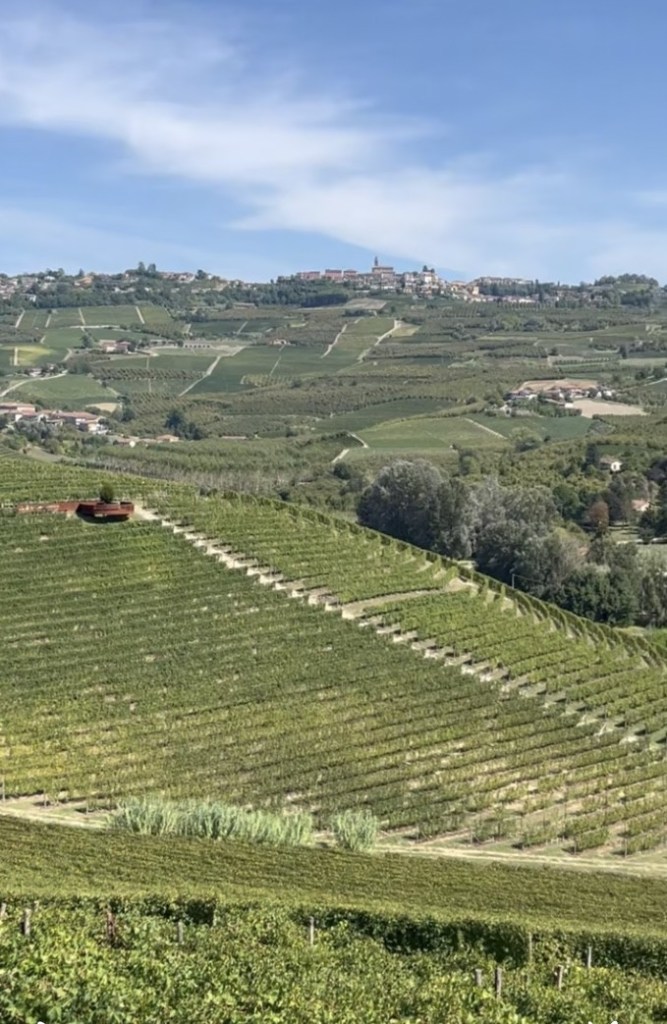
Alba is a three-to-four-hour train ride from Milan and is located in the Piedmont region, which is one of Italy’s largest wine producing areas. The area is known for its high-quality Barolo and Barbaresco wines as well as black and white truffles. This foodie city has great restaurants and a local farmers market in the city center on Tuesdays and Saturdays.
There’s plenty to do – browse the shops and restaurants in the charming city center, sip you way through a few local wineries, visit one (or several) of the area’s castles, and if you are up for something truly exotic, try truffle hunting when they are in season.
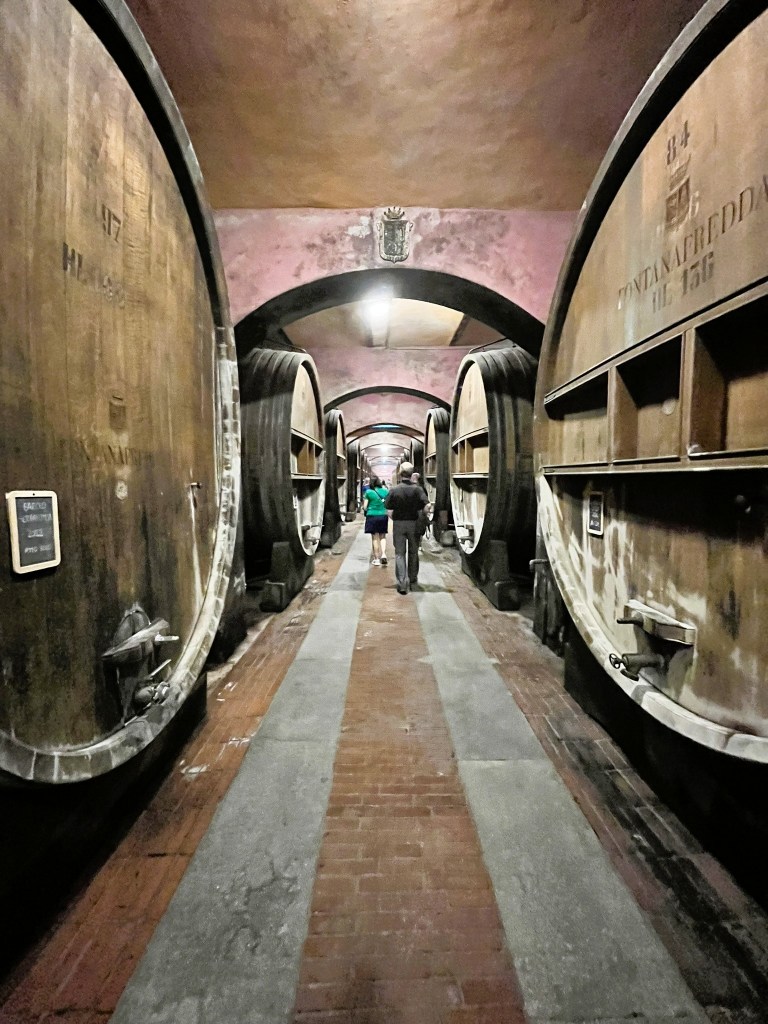
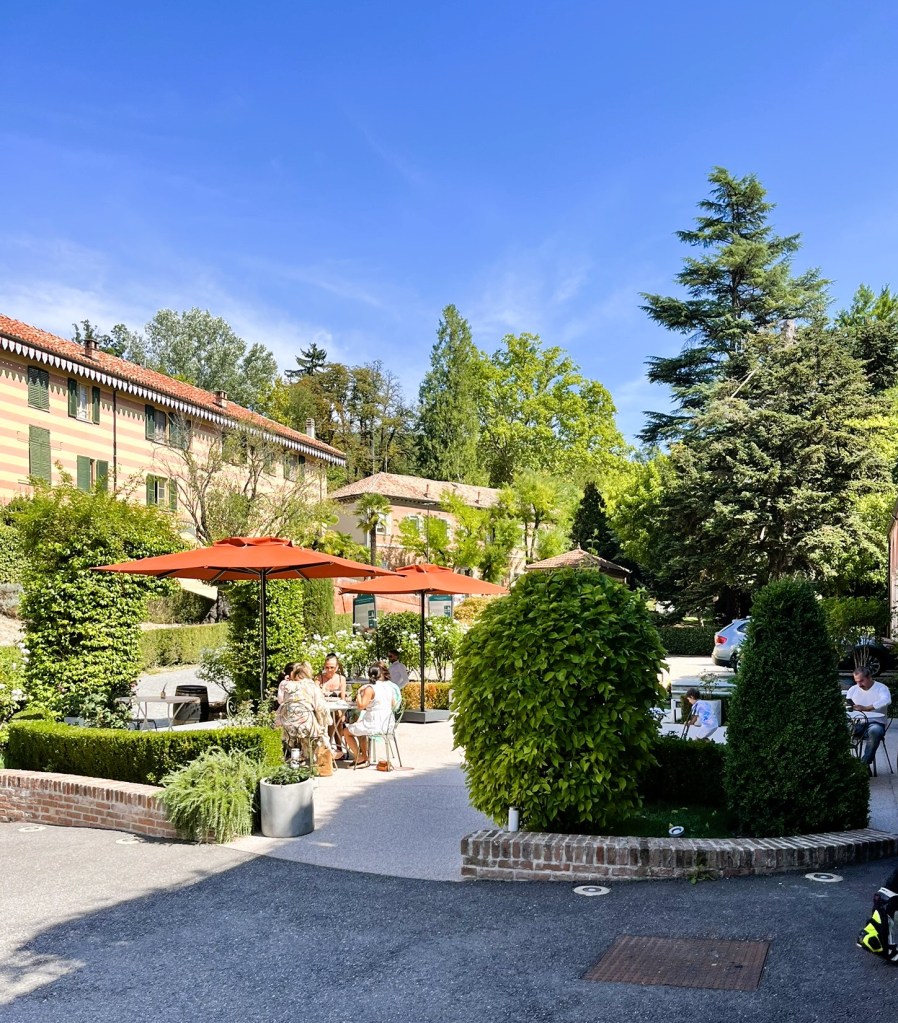
We took a tour of the Fontanafredda winery, founded in 1858, which produces 180,000 bottles a year and has both a hotel and restaurant on site. The tour gave us insight into the historical wine making process from the late 1800’s, which is quite different than the process today. Some of the original aging casks were larger than a truck and held thousands of gallons of wine. Although no longer used, they are kept as a nod to the history of the winery and its roots going back over 170 years.
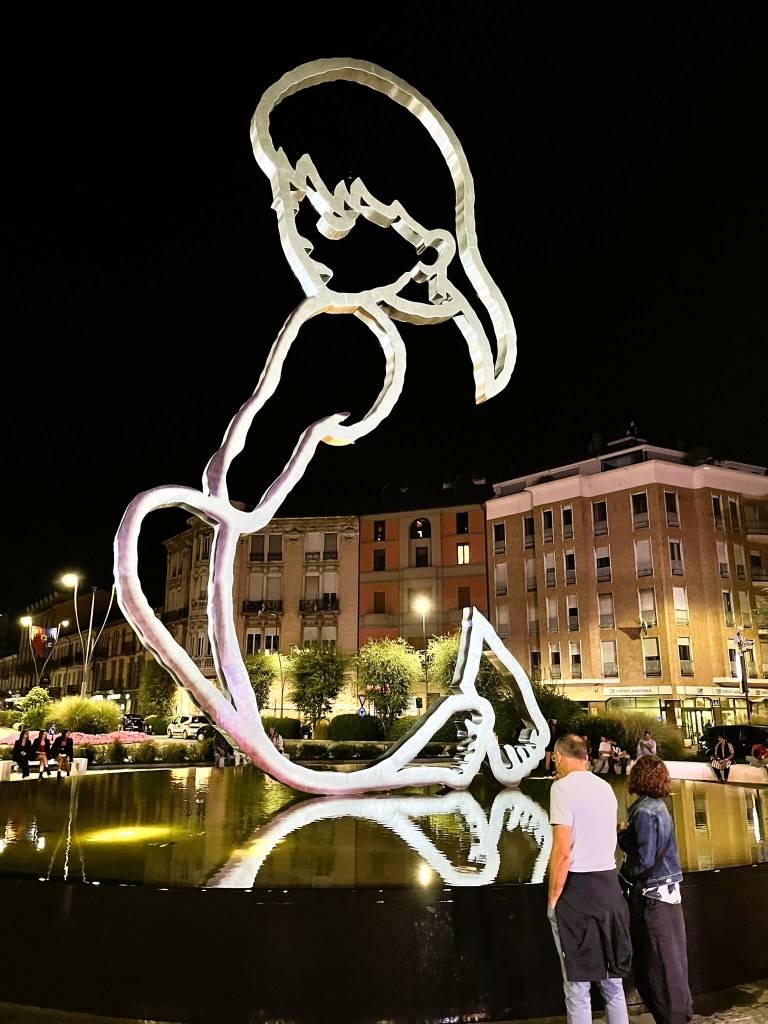
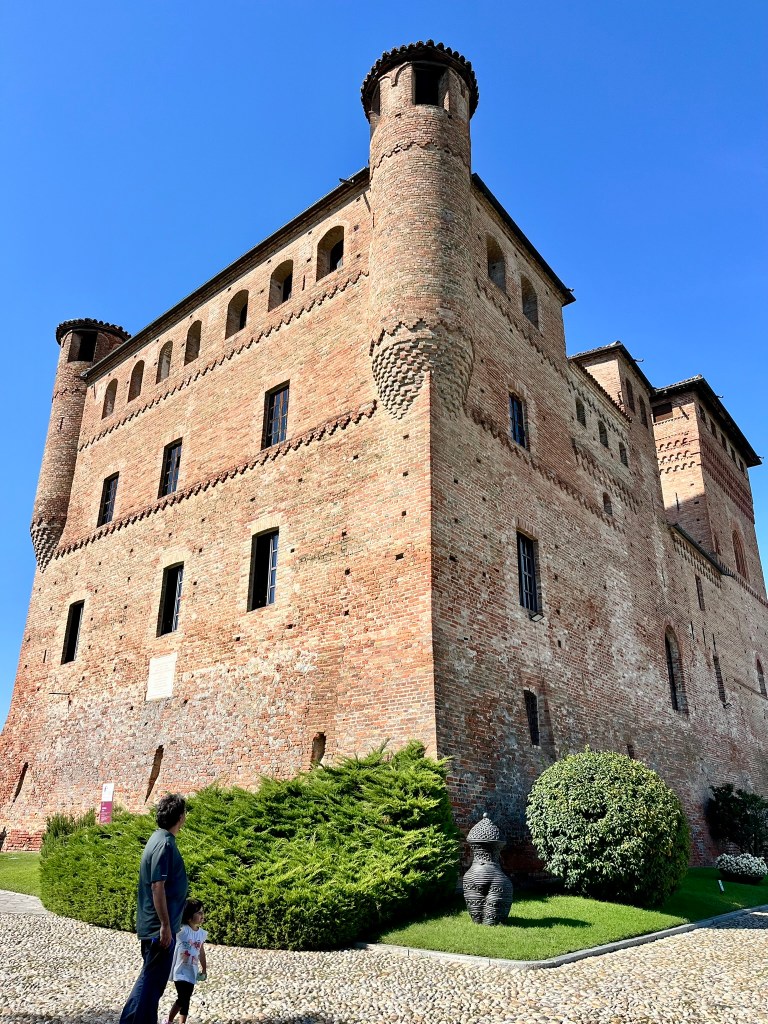
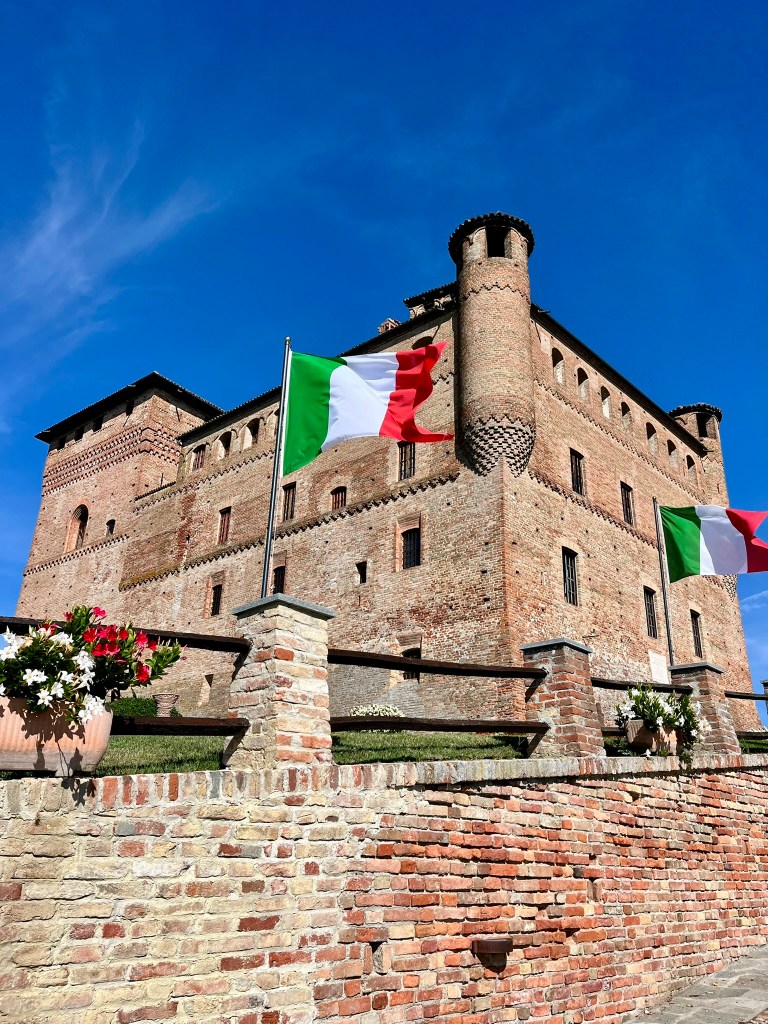
We also visited one of the castles in the area, Grinzane Cavour Castle, which was built in the mid-11th century. The Count, Camillo Benso di Cavour, was instrumental in uniting the country under one banner and is considered the founder of modern Italy. The castle houses a museum, wine tasting room and restaurants. Views from the grounds are beautiful with vineyards stretching as far as the eye can see, and the museum is superbly done giving the history of the Count and what he did to bring the country together.
La Spezia, Italy:
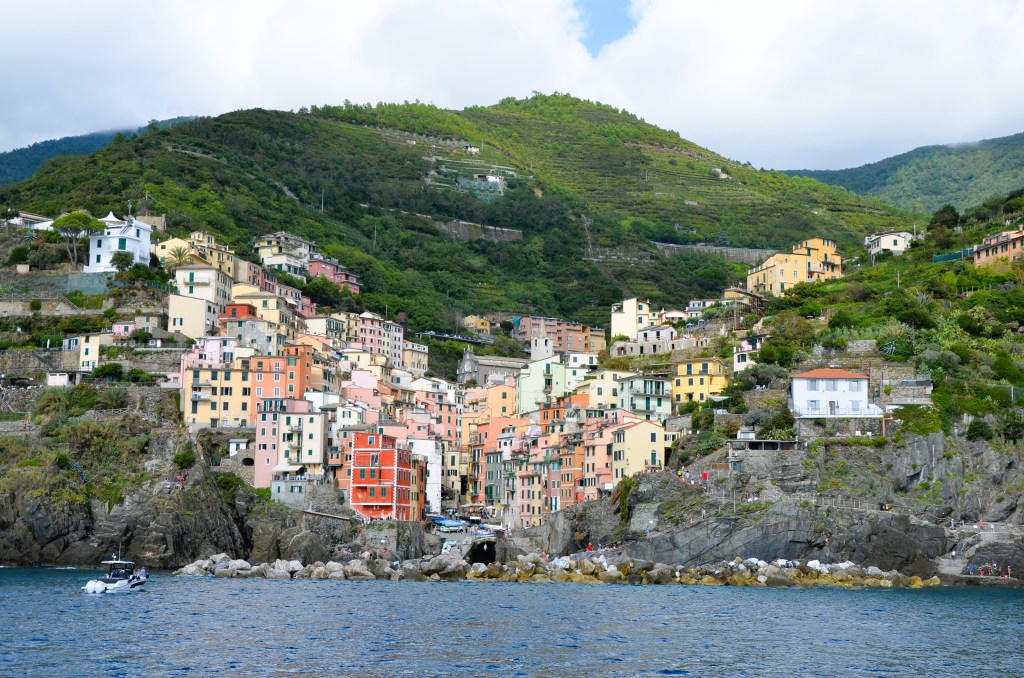
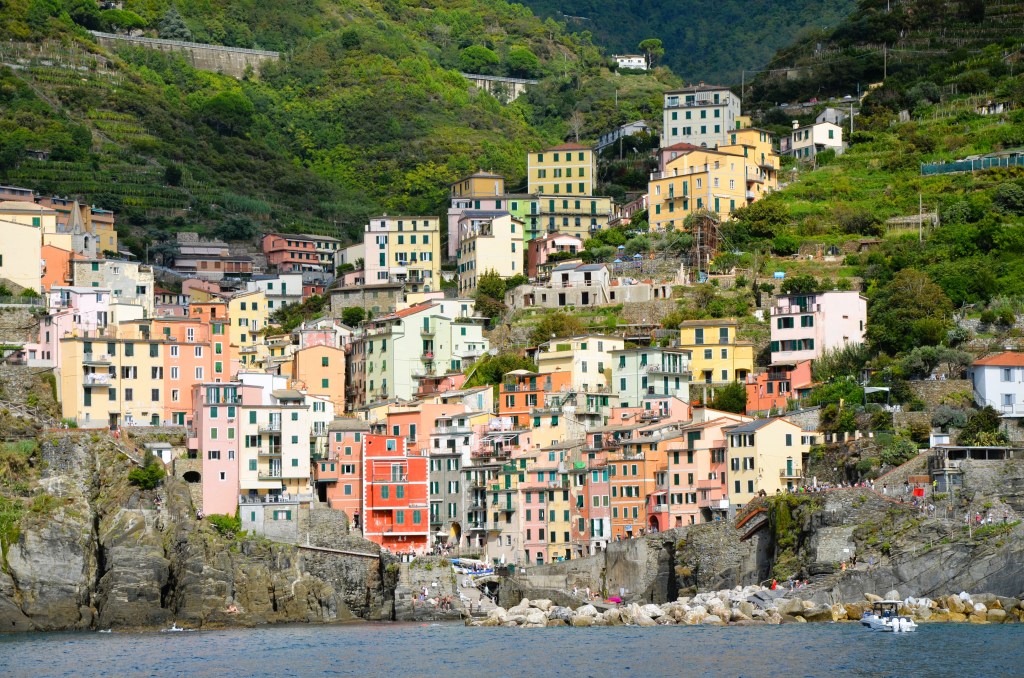
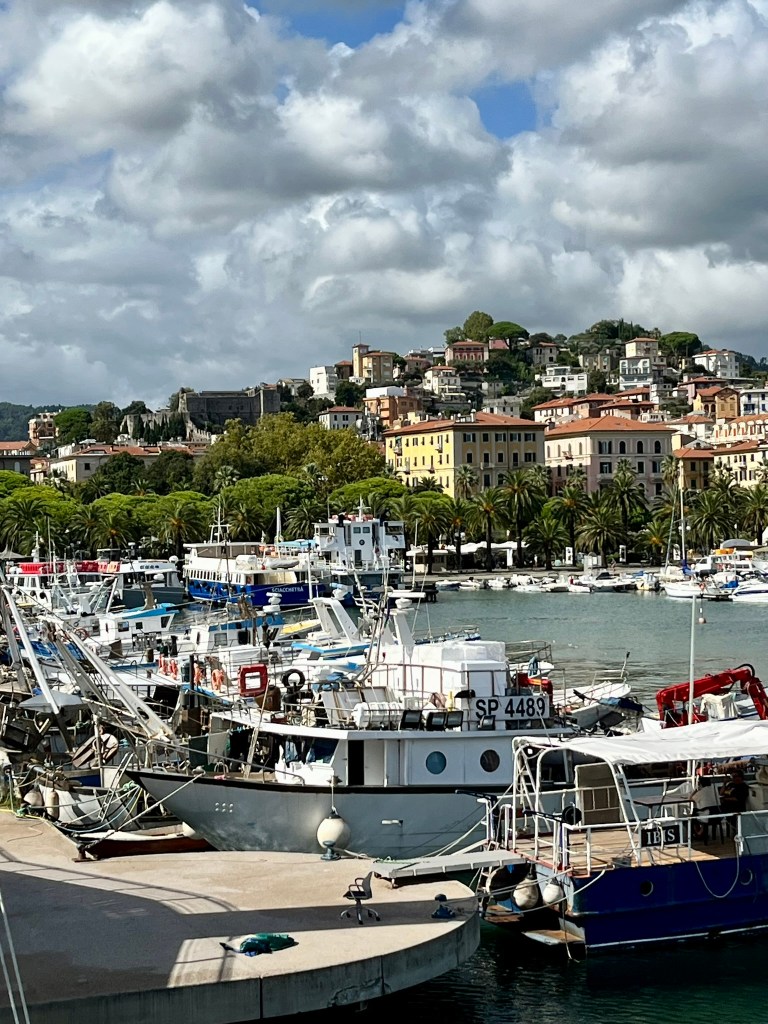
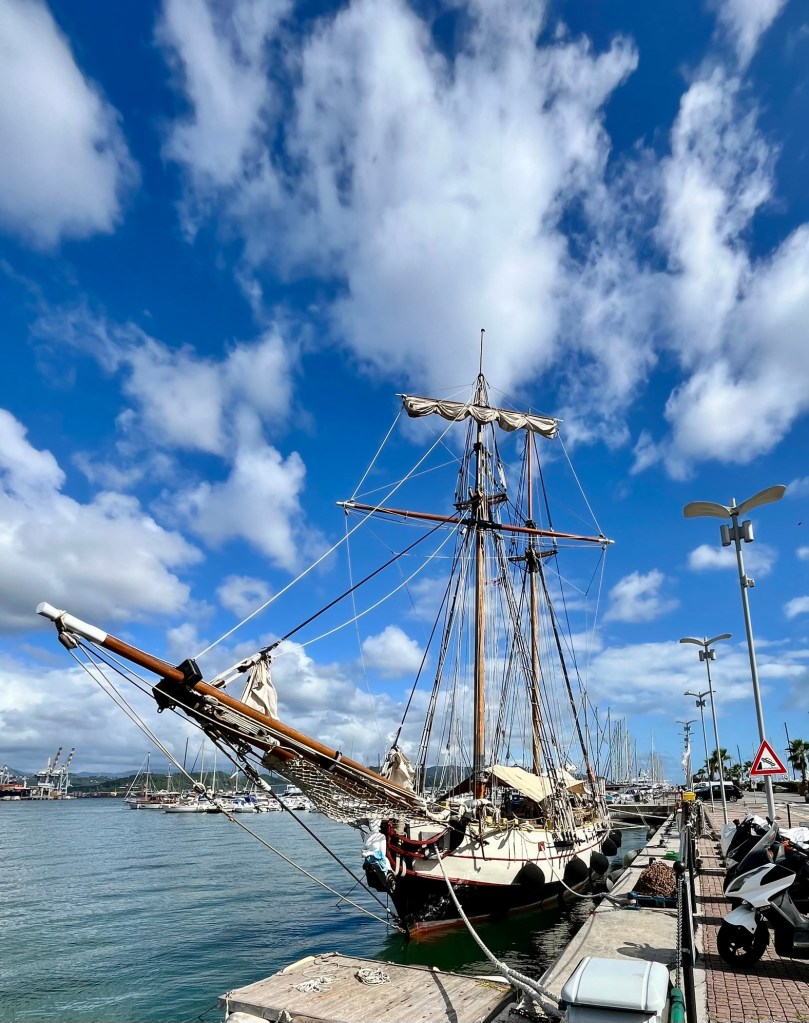
You can reach La Spezia from Milan by train in three and a half to four and a half hours depending on the train. This is a port city with a rich naval background for Italy and is the gateway to the beautiful villages of Cinque Terre. If you are not familiar, Cinque Terre is kind of like a miniature version of the Amalfi Coast, colorful villages set amongst the hills that cascade down to the coast. It offers a less expensive place and ideal base in the region to visit the five towns by ferry or a local train that runs roughly every half hour.
You can hike along the hills that run above the villages, this requires a pass that allows hiking along the trails and use of the local train between the villages and La Spezia. Alternately, the ferry stops at four of the five villages and lets you get off and on before returning to La Spezia. Pro tip: Start your day early on the ferry so you have time to explore several of the villages.
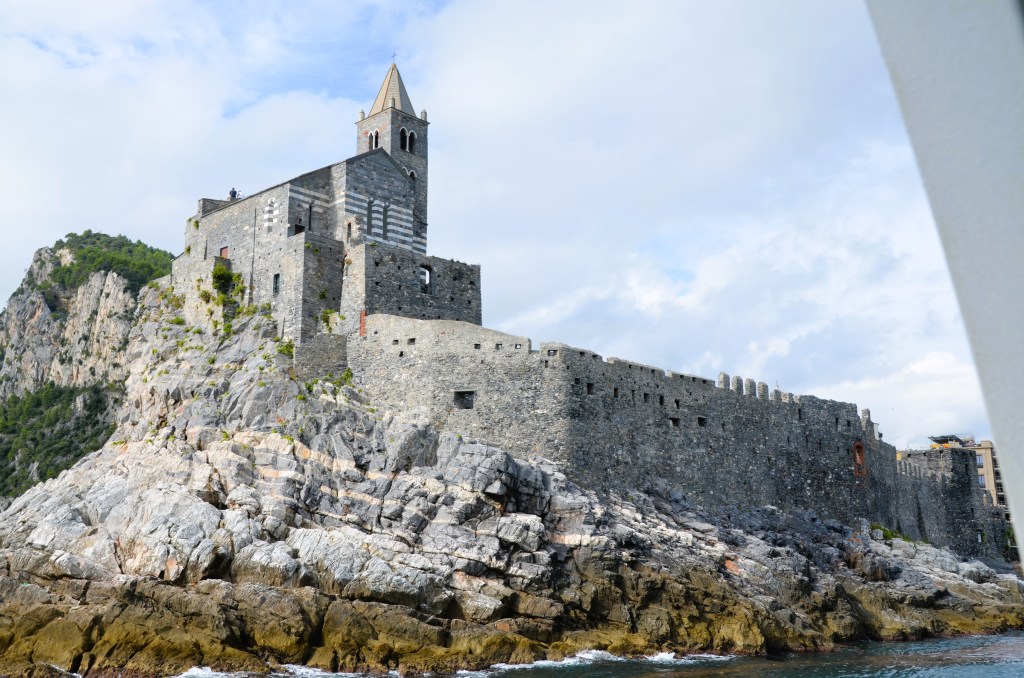
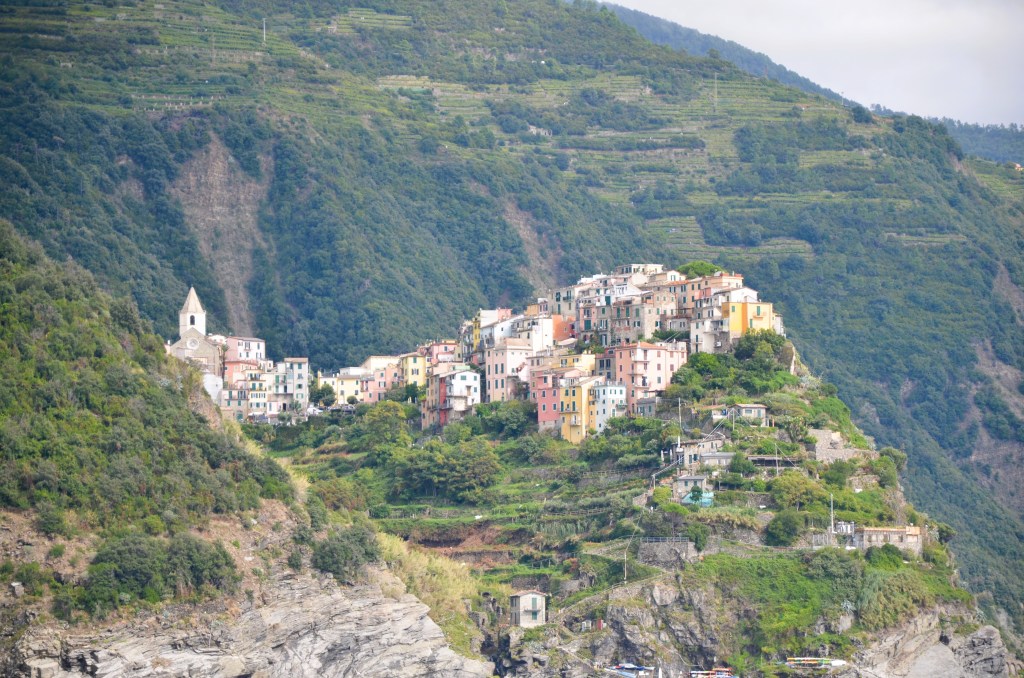
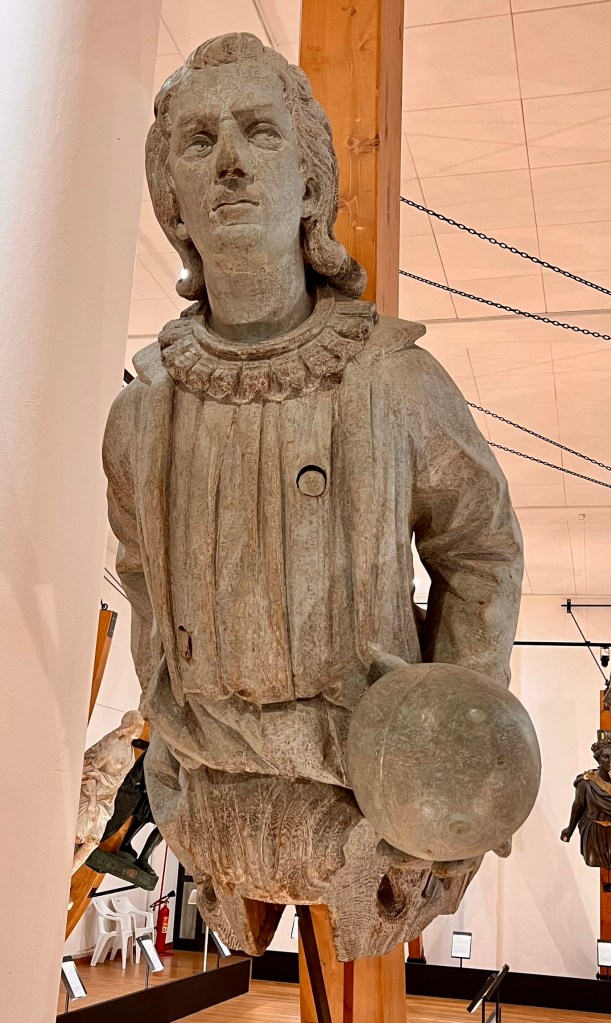
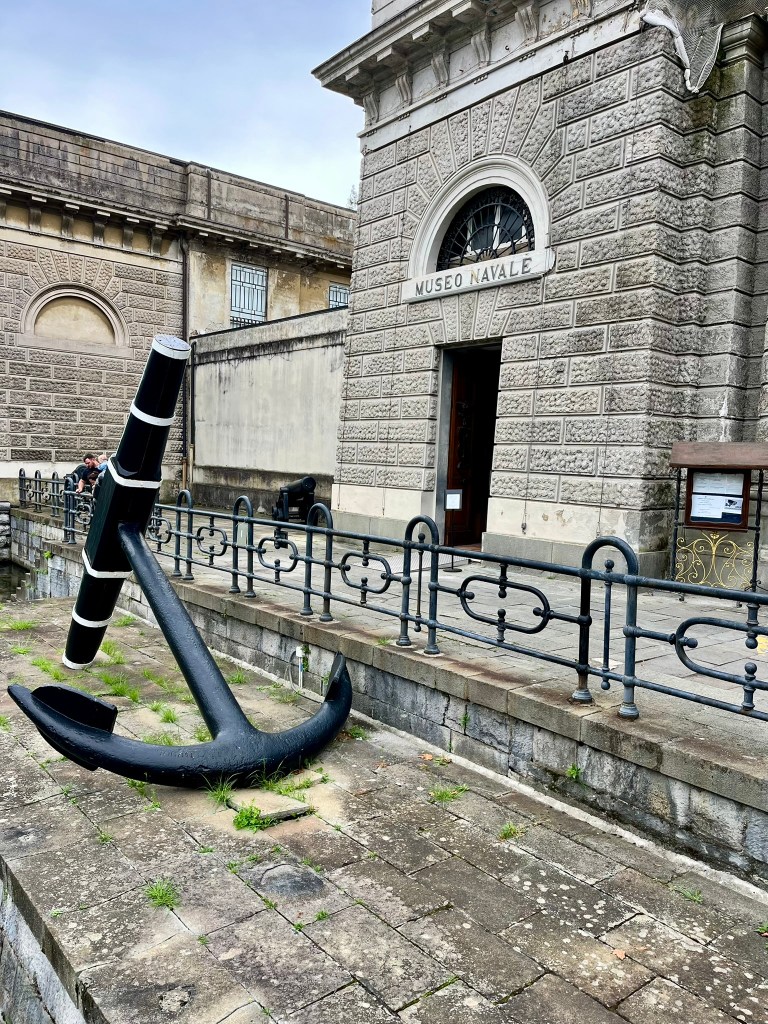
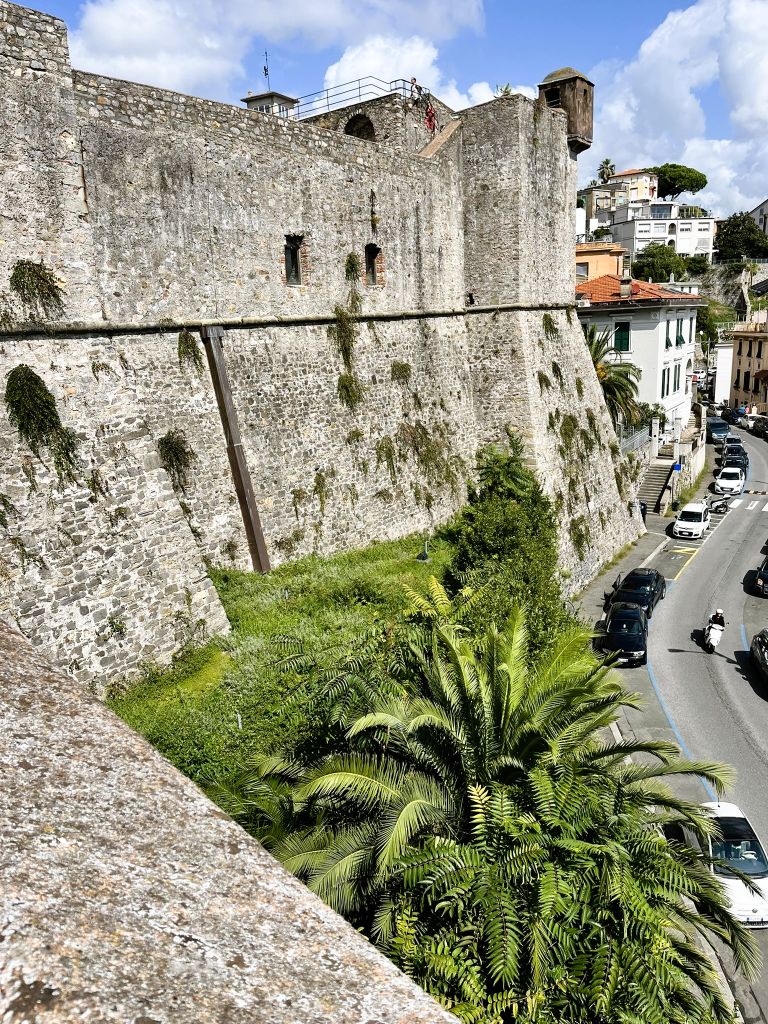
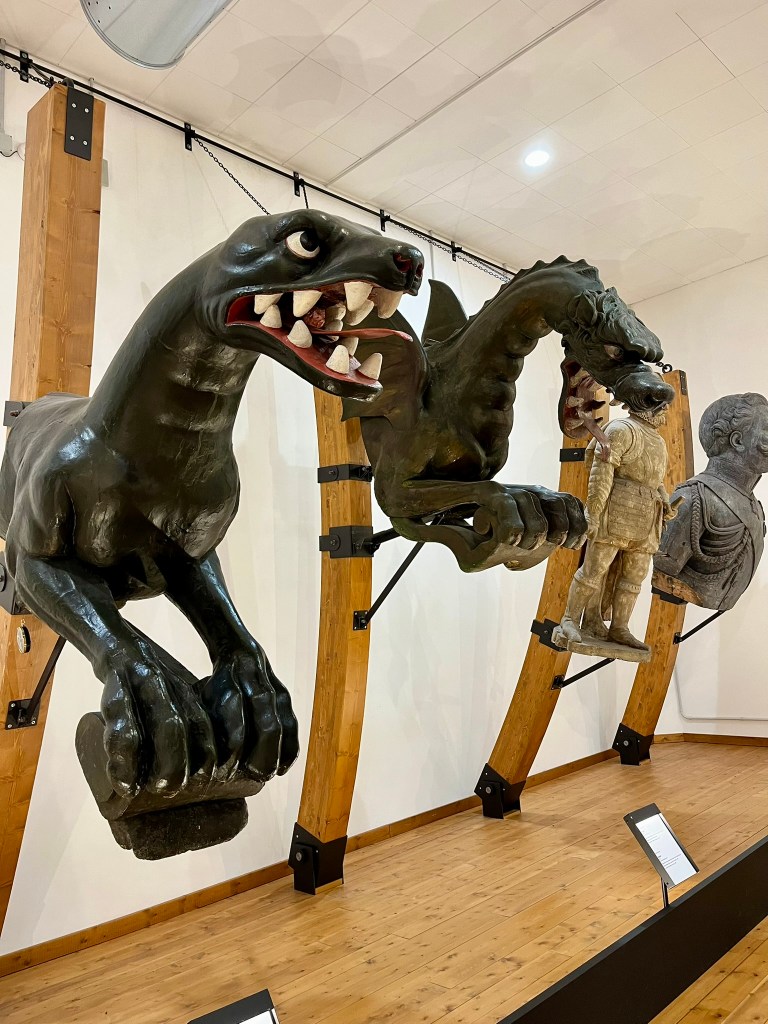
In La Spezia you can visit several beautiful churches, the Castello San Giorgio which houses a very well done museum and gives you lovely views of the bay. And I highly recommend the Naval Museum, which provides a unique look at the history of the Italian Navy and La Spezia’s place in its development. It is home to a beautiful gallery of figurehead statues that are from the bows of sailing ships.
Parma, Italy:
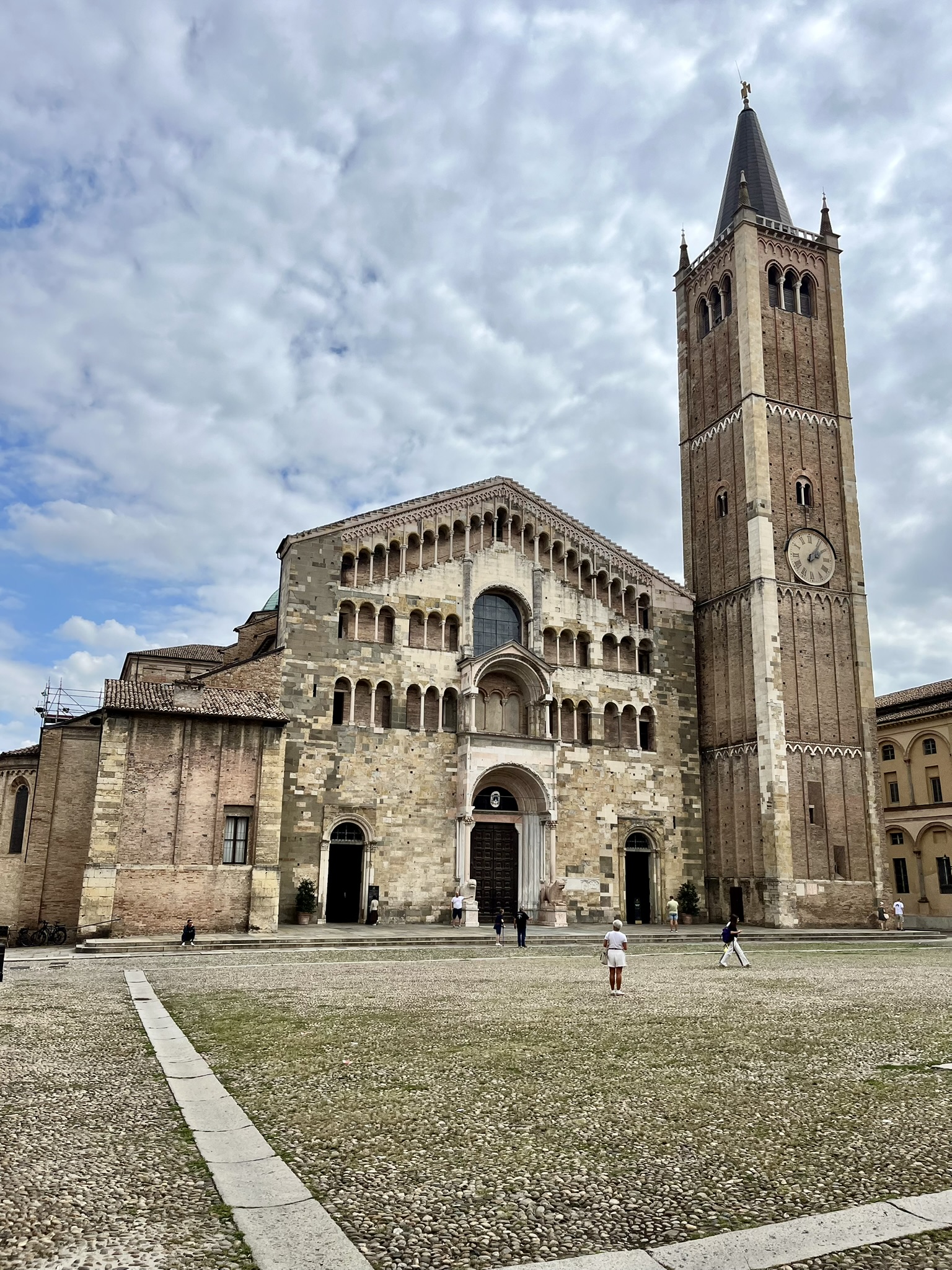
Parma, Italy is a gastronomic explosion of cheese and ham and can be reached from Milan in one or to two hours by train. The old city center is full of wonderful places to visit including: the Cathedral of Parma, one of the most beautiful churches I have ever had the pleasure of visiting; the San Giovanni Battista Baptistery, which is only rivaled by the Battistero di San Giovanni in Florence; and the National Gallery of Parma which houses several museums, an incredible 15th century theater build of wood and stucco and my very favorite DaVinci painting, La Scapiliala.
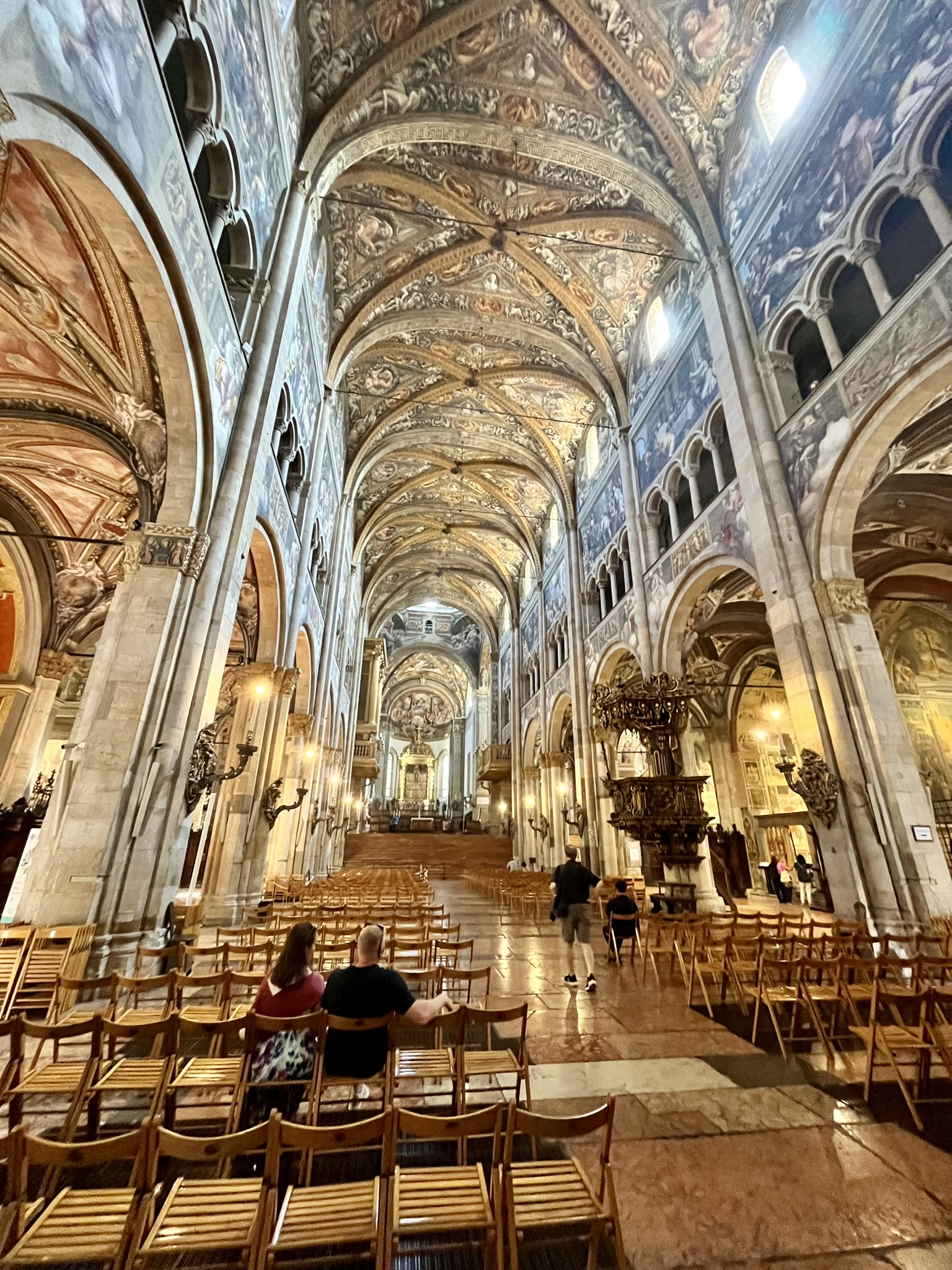
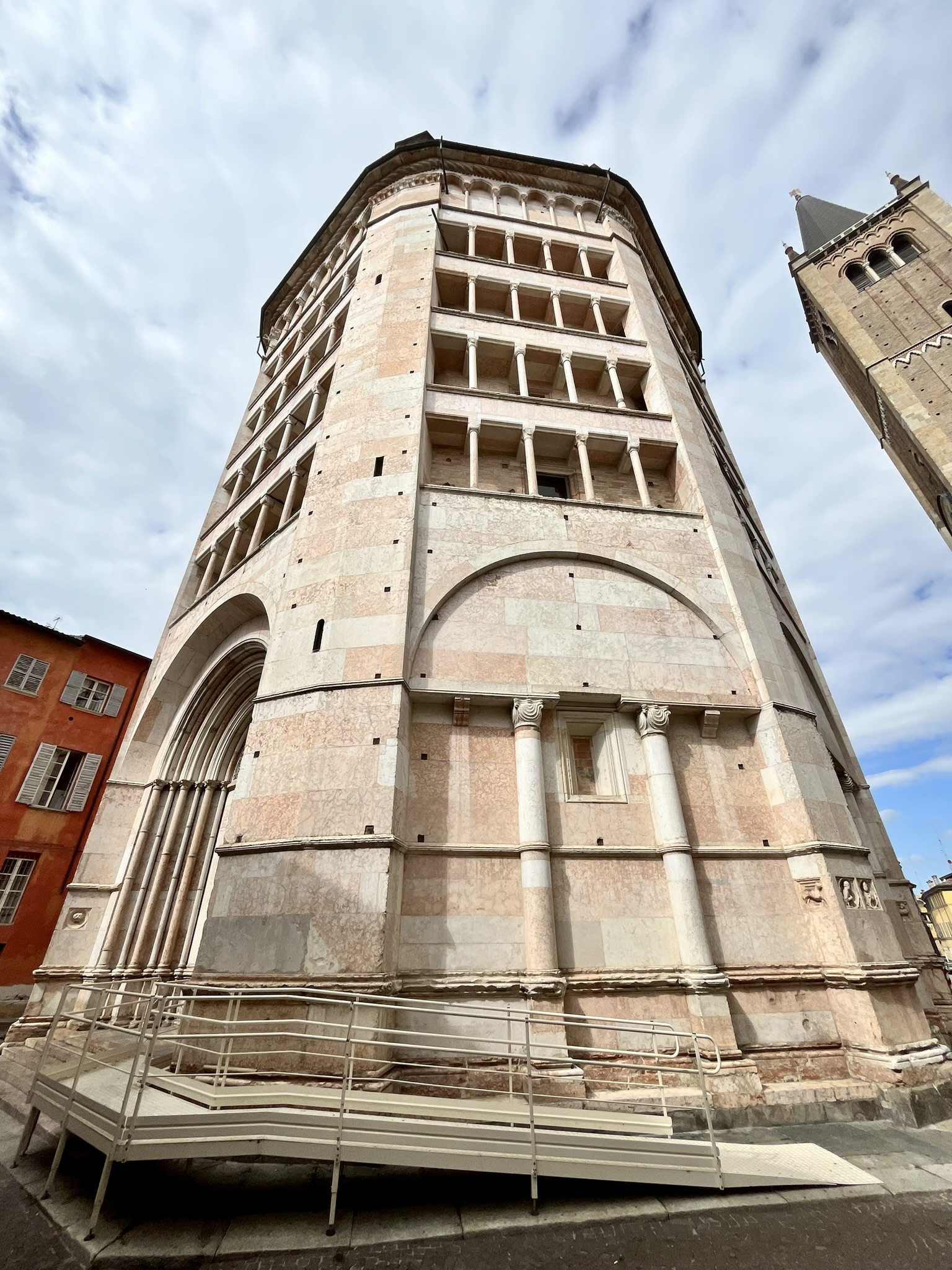
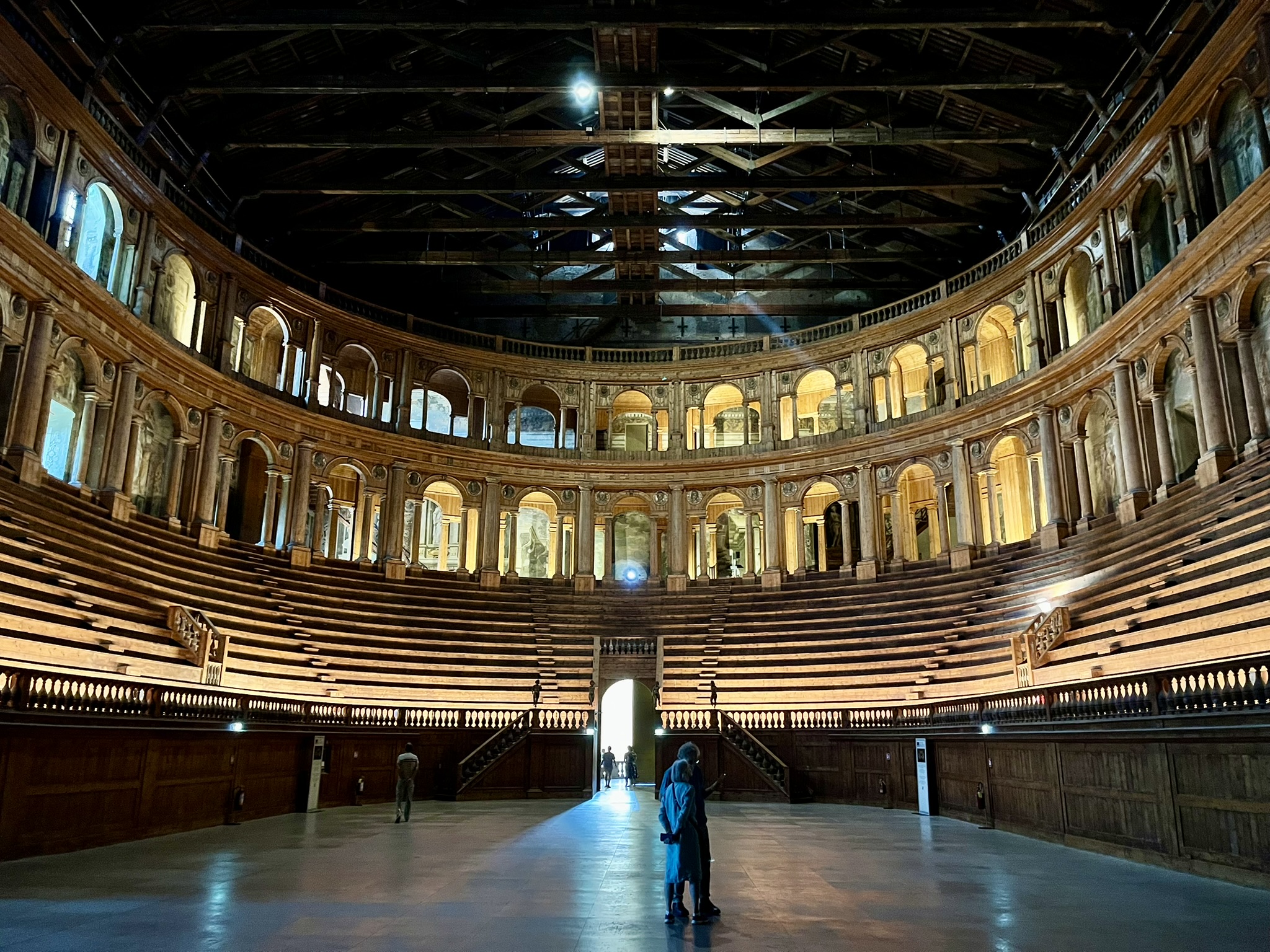
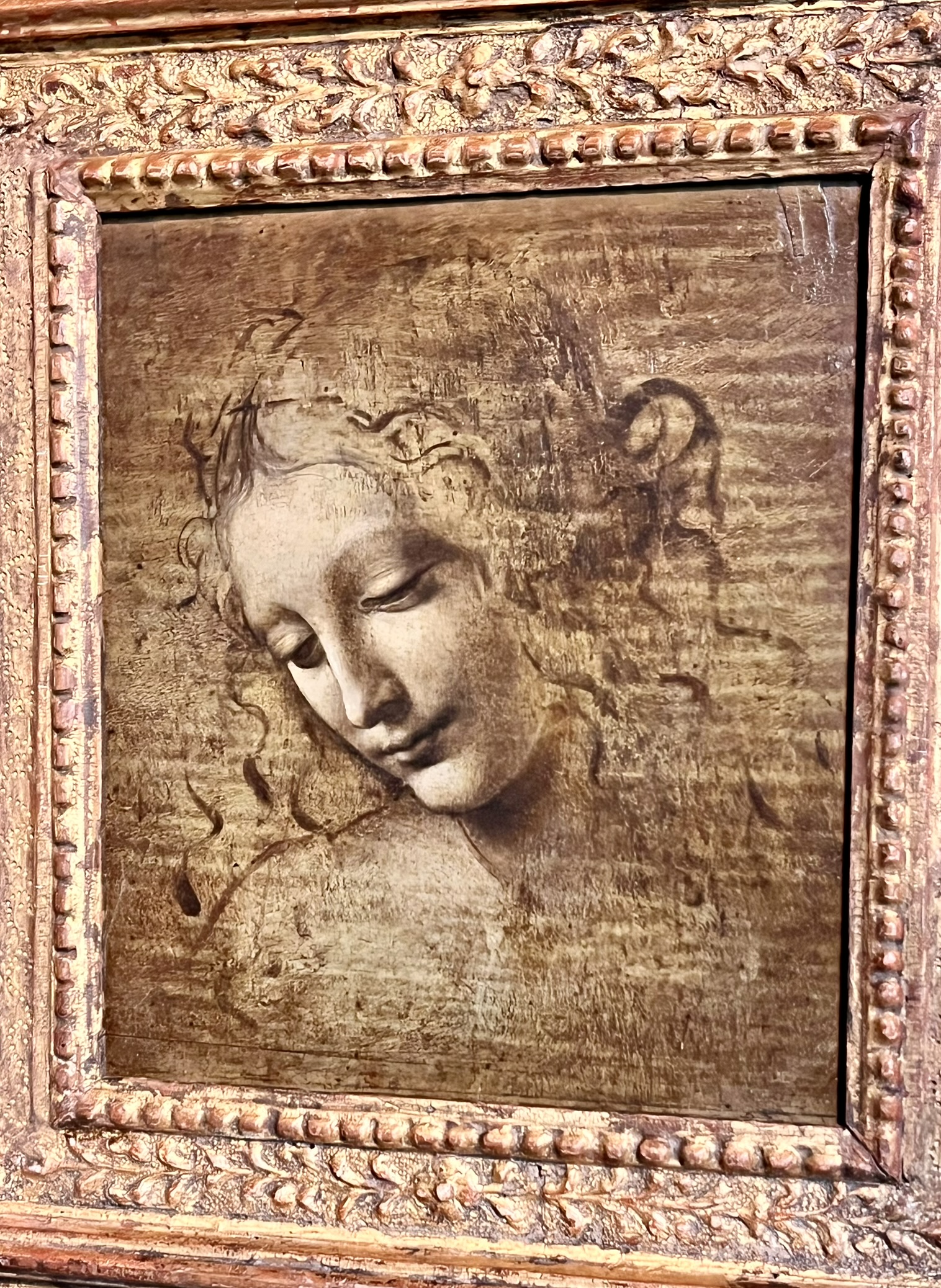
During your stay in Parma I highly recommend a visit to a local cheese factory where they make Parmigiano Reggiano or a ham factory where Prosciutto de Parma is made. I had the pleasure of touring a local family-run cheese factory, Caseificio Ugolotti, and found the process fascinating and very informative. I learned it takes 500 liters of milk to make one 80-pound round of cheese followed by at least 12 months of aging before it can be proclaimed Parmigiano Reggiano – providing it meets the exacting standards of the Parmigiano Reggiano Consortium.
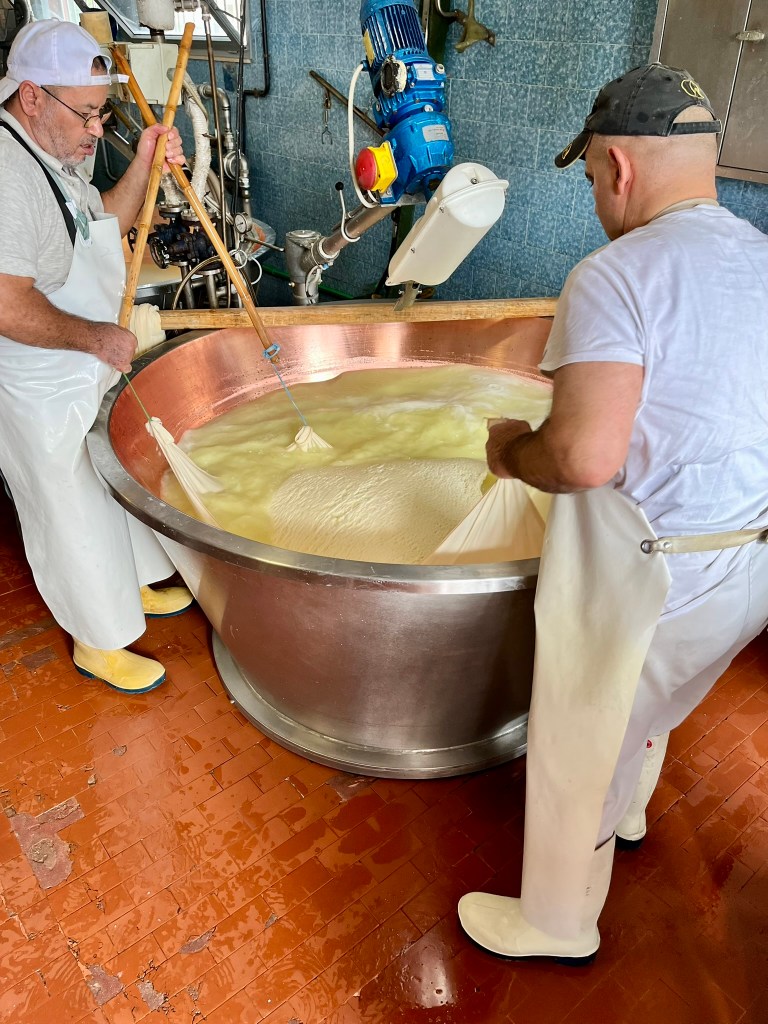
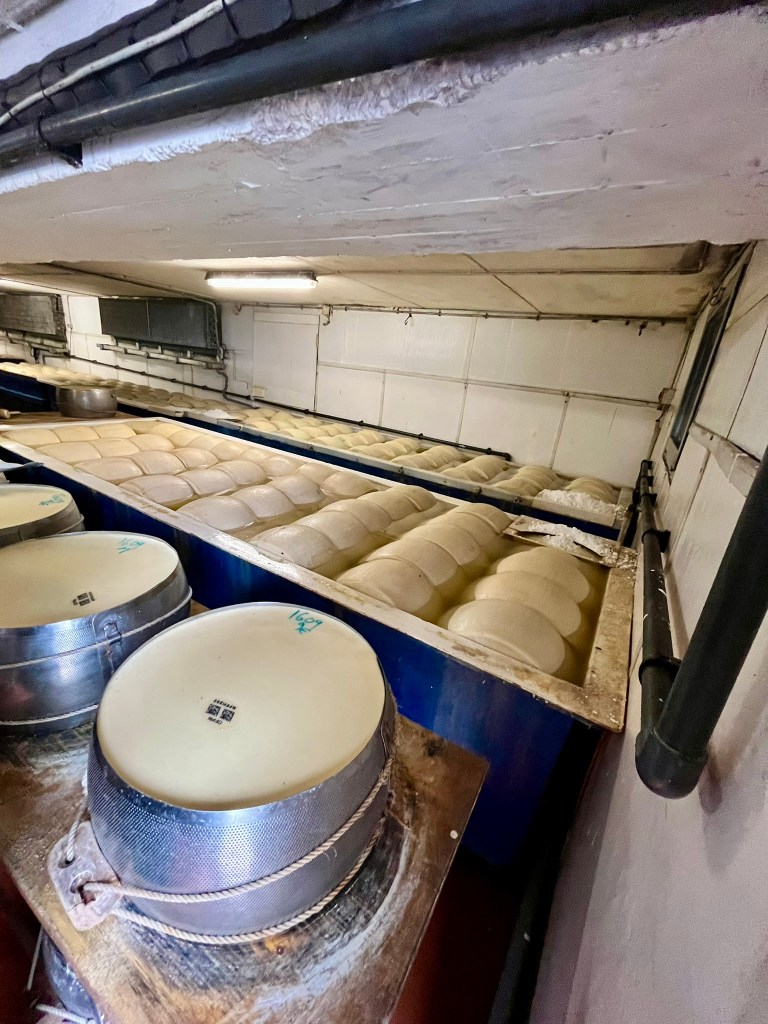
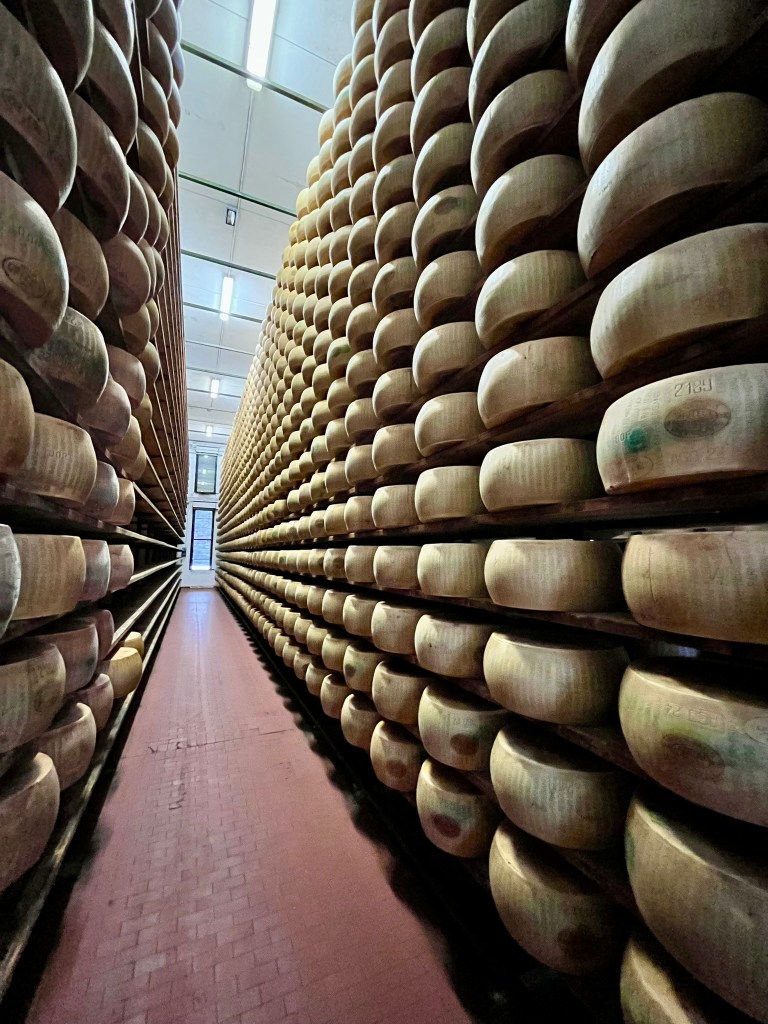
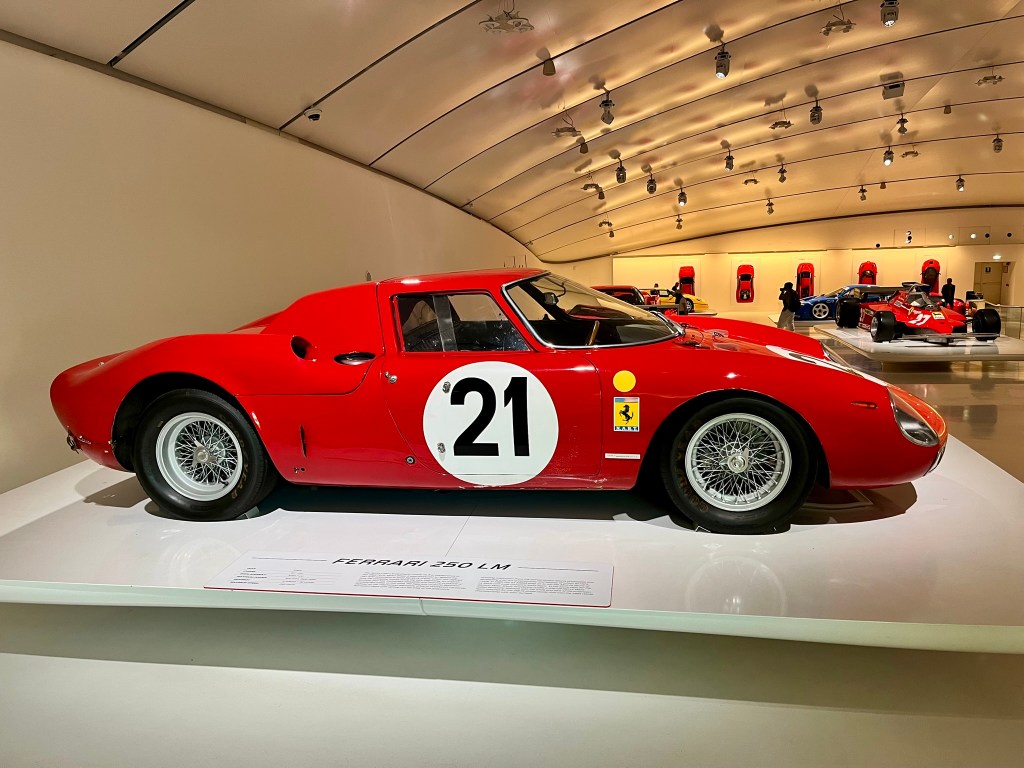
If you are a fan of fast, beautifully designed cars, then a trip from Parma to Modena is highly recommended to marvel at the stunning works of art created by Enzo Ferrari. The train trip only takes half an hour and you can walk to the Enzo Ferrari Museum from the train station in less than 15 minutes. Part of the museum is housed in Ferrari’s childhood home, and the rest is in a beautifully designed building worthy of his name. If you are really a Ferrari fan you can take a taxi or a bus half an hour south to the Ferrari Factory Museum located near the factory in Maranello. The Factory Museum too is a stunning display of automotive genius and design that will leave you wide-eyed at the sheer magnificence of these mechanical masterpieces.
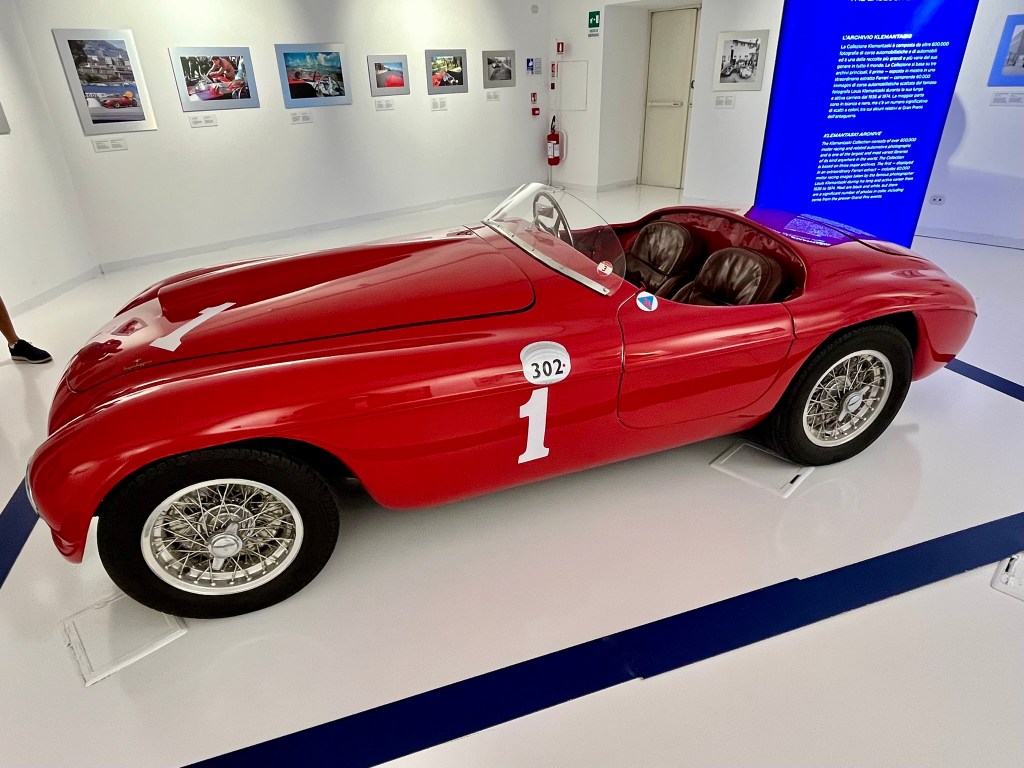
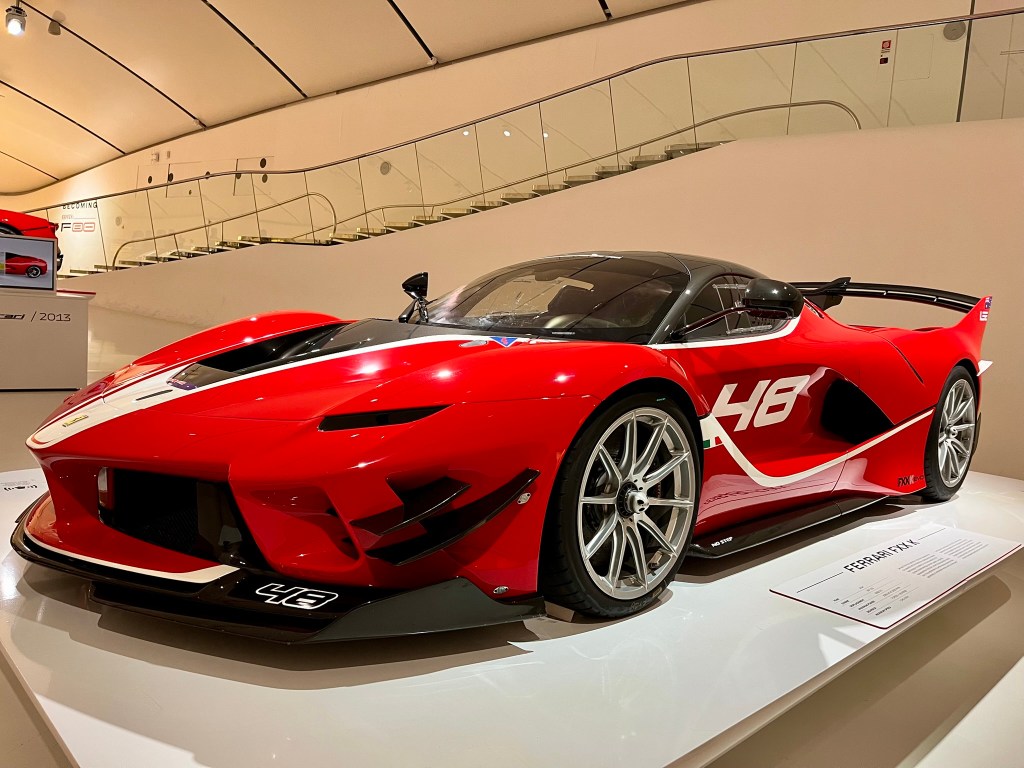
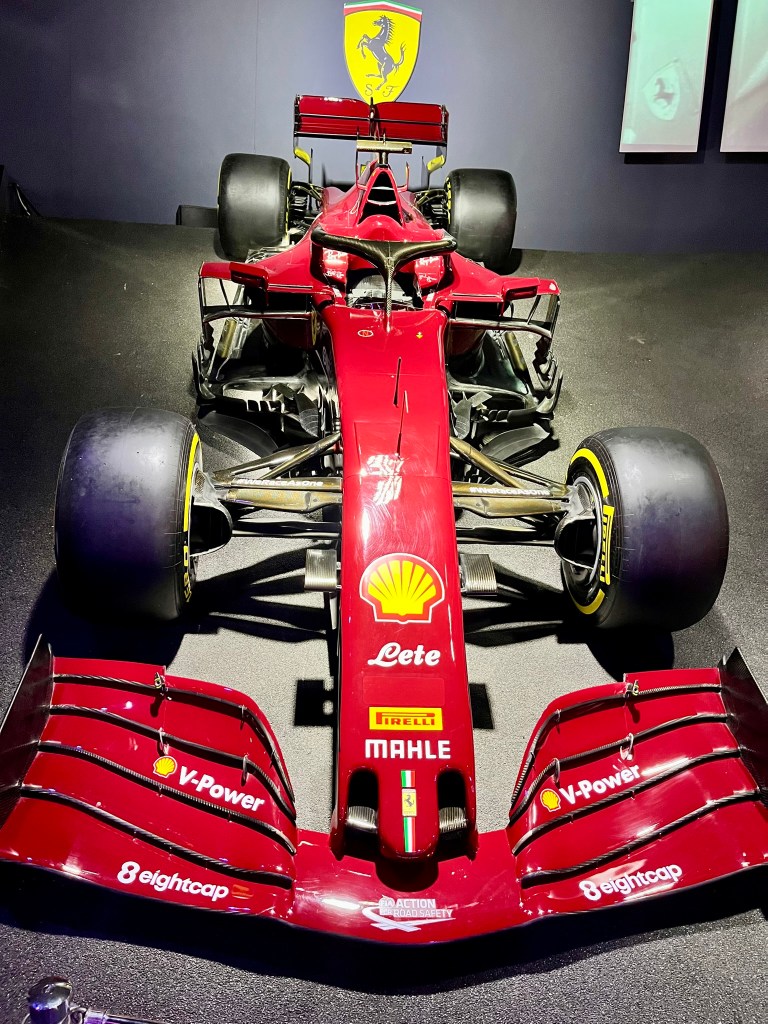

As you can see, after you’ve visited the Big Three in Italy there are many more amazing places to explore in the northern half of the country. Milan is a great place to begin that adventure.
Italy is a big country with many beautiful and exciting cities to visit, don’t get bogged down by the Big Three.
Caio!
 Reid & Robie
Thank you for the wonderful recommendations!
LikeLike
Always happy to provide great travel recommendations!
LikeLiked by 1 person
Very nice – looks great!
LikeLike
Thank you!
LikeLike
Thank you, Robie. Great pictures and dialog of the towns and villages. I feel more well-traveled. 😉
LikeLike
Glad you enjoyed the little tour of Italy.
LikeLike