
In this noisy world there are two places where one may yet go to do some quiet soul searching. Museums and public libraries.
– Alice Childress
On a bus from Essaouira to Marrakech, Robie and I couldn’t help overhearing a frantic phone call from a fellow passenger to her travel agent.
“The flight you booked me on is no good. No good! You have me departing tomorrow and I have to leave TO-DAY,” she said loudly, emphasizing the final word with distinct syllables. “I told you a hundred times. Do I have to say it a thousand before you understand? I have to leave TO-DAY. My 90-day visa in the country expires TO-DAY. If I don’t get out TO-DAY, they’ll take my passport, and I’ll have to pay a huge fine. I don’t care where you send me. I’ll go anywhere. Just get me out of Morocco. TO-DAY!”
Gently elbowing me in the ribs, Robie noted smugly, “That’s why we’re leaving early.”
It had been his idea to give ourselves a little cushion between Morocco and our return to Schengen. While I planned to take the ferry leaving Tangier five minutes before midnight on our 90th day in Morocco and arrive in Spain at 01:30 on the first day we could reenter the Schengen zone, he thought that might be cutting it too close. Instead, we left Marrakech three days before our visas expired and spent four days in London waiting for our Schengen days to reset.
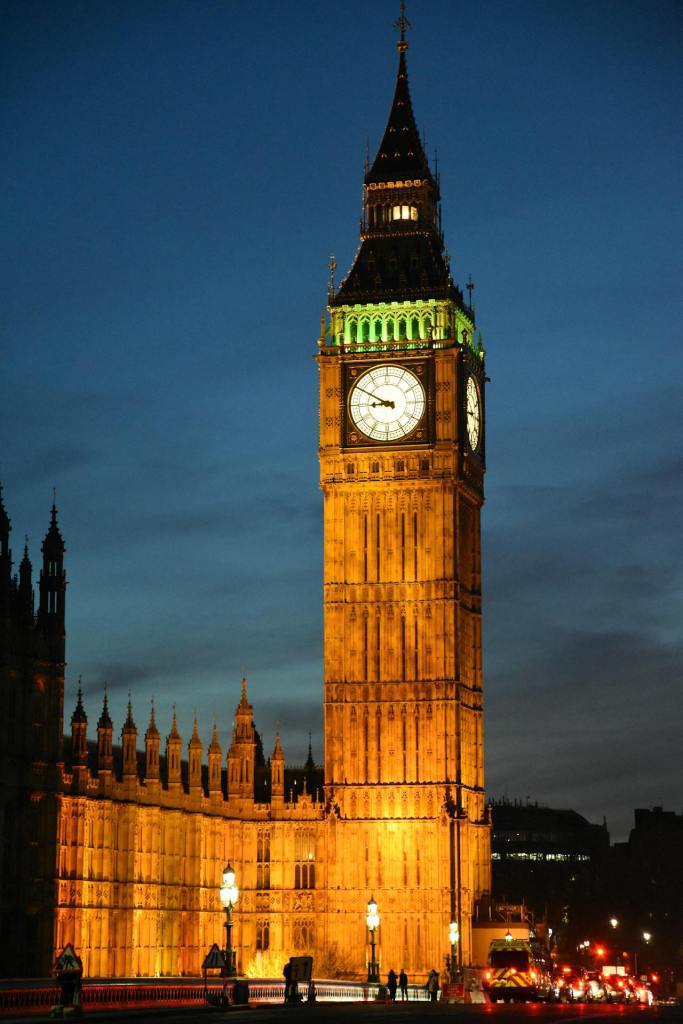
Though I’d been to the British capital dozens of times, I hadn’t spent more than an overnight at an airport hotel there in decades. I already knew all the tourist hotspots. I’d visited the Tower of London, watched the changing of the guard at Buckingham Palace, toured Windsor Palace, marveled at St. Paul’s Cathedral and Westminster Abbey, and entered the hallowed halls of the Victoria and Albert Museum. I’d gotten pictures of Big Ben and Parliament in the rain, cruised the Thames, saw Evita and Phantom of the Opera in the theatre district, said my peace at Speakers’ Corner and sauntered barefoot down the crosswalk outside EMI Studios on Abbey Road. Robie and I had even seen the Pete Best Band perform at a bar in Shepherd’s Bush. So, what were we going to do in London for four days?
While Robie ran through a list of unfamiliar places on London’s periphery, I knew how the pervasive, chilly, wet English winters had a way of settling into your bones and drove people indoors – hardly the kind of weather suitable for visits to Oxford, Cambridge and Portsmouth. Then there was the time-consuming hassle of coordinating trains in and out of the city, adding hours of travel time each day, and with it, unnecessary stress. Yet even that seemed preferrable to moving hotels each night and lugging our bags in tow. No, we needed something closer to home and a lot less demanding. That’s when I realized all I really wanted was to see great museums.
When we set out on this roving retirement in the summer of 2024, we started in Liverpool where the Tate Museum was closed for renovation. On Ikaria there had been only one archaeological museum on the tiny Greek island. At the southern tip of Albania, Sarandё is known as a cheap package destination with a party atmosphere not fine art. On the Camino de Santiago, I didn’t have time or the energy to play tourist. In Southern Spain, Robie and I sauntered up to the ticket window at Seville’s Fine Arts Museum only to be informed that the museum was closing early in observance of All Saints’ Day. Then as I stared at tapestries in the Agadir Art Museum in Morocco, I realized our nomadic life was missing one of our favorite pastimes, enjoying the world’s greatest museums.
Determined to spend our time in England rectifying that deficiency, I identified eight museums across Greater London but soon worried my marriage might not withstand the intensive deep-dive I envisioned so pared the itinerary down to something more manageable.
First up was a delightful morning spent reconnecting with a tried-and-true favorite.
The British Museum
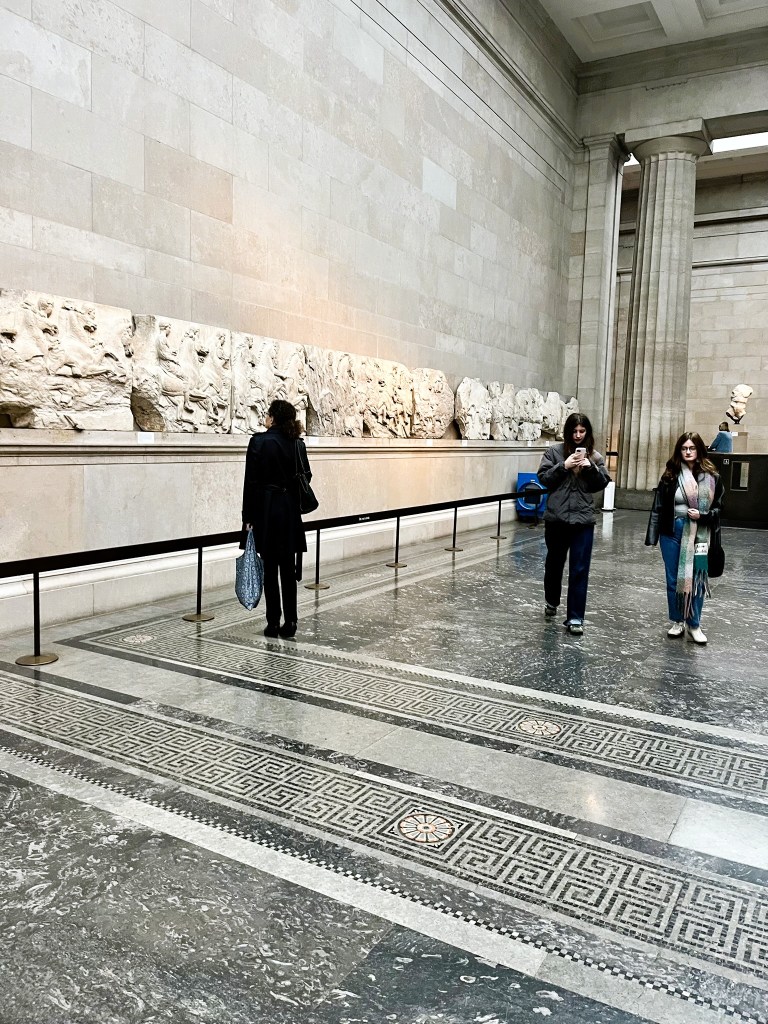
Unwilling to subject ourselves to everything there is to see inside the British Museum, Robie and I confined this visit to a study of the Parthenon Sculptures. Sometimes referred to as the Elgin Marbles, the collection of 5th century BC reliefs and statues was controversially removed from the Parthenon and brought to Britain where they remain despite protests from Greece.
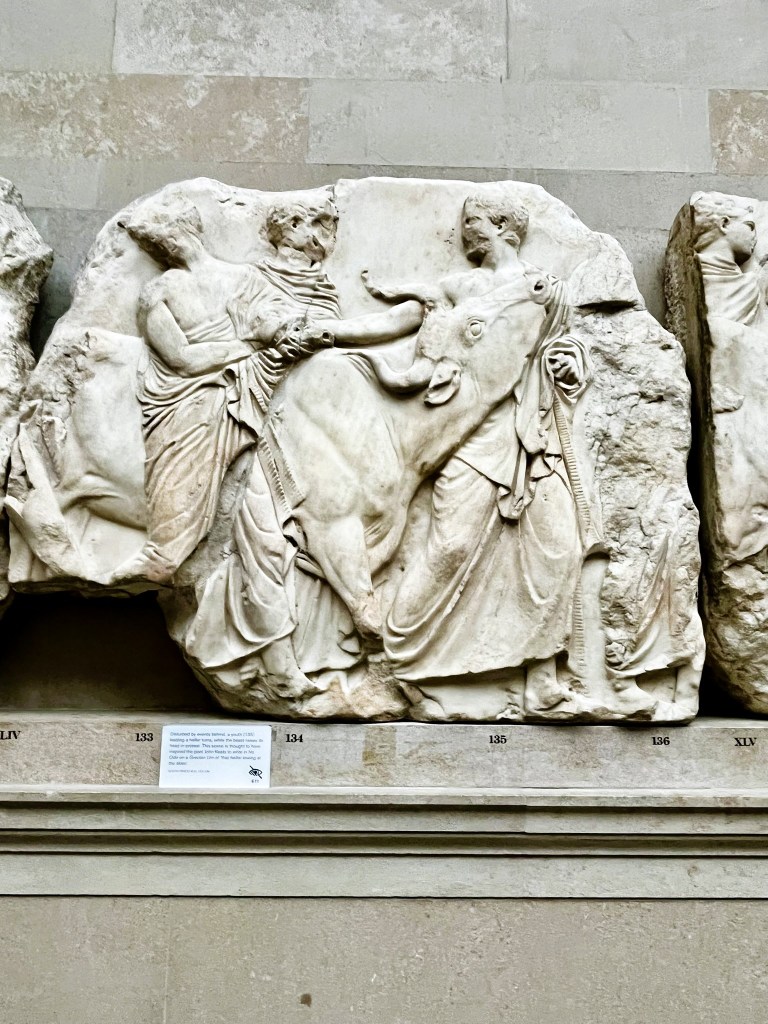
Friezes along the wall depict a procession honoring the goddess Athena capturing the rhythm and energy of the occasion with lively horsemen, musicians, animals, charioteers and young women. At the ends of the hall are scenes from Greek mythology about the founding of Athens. In one, the sun god Helios rises from the ocean in his chariot pulled by spirited, energetic horses representing the start of a new day and Athena’s birth at dawn. In the opposite corner, a horse belonging to the moon goddess shows his exhaustion with gaping mouth and bulging eyes signifying the end of a long journey. The central section, now mostly lost, once featured Zeus with a fully grown Athena standing beside him having just emerged from his head.
Badly damaged in 1687, only fragments remain of the second legend depicting the mythical contest between Athena and Poseidon. Yet these largely headless, severely weathered pieces still recount the impact and drama of the heated competition.
The British Library
The last time Robie and I visited the British Library, it was part of the British Museum. In the three decades since, this collection of over 170 million books, manuscripts and maps moved to a building just outside busy St. Pancras Railway Station, now conveniently located across the street from our hotel.
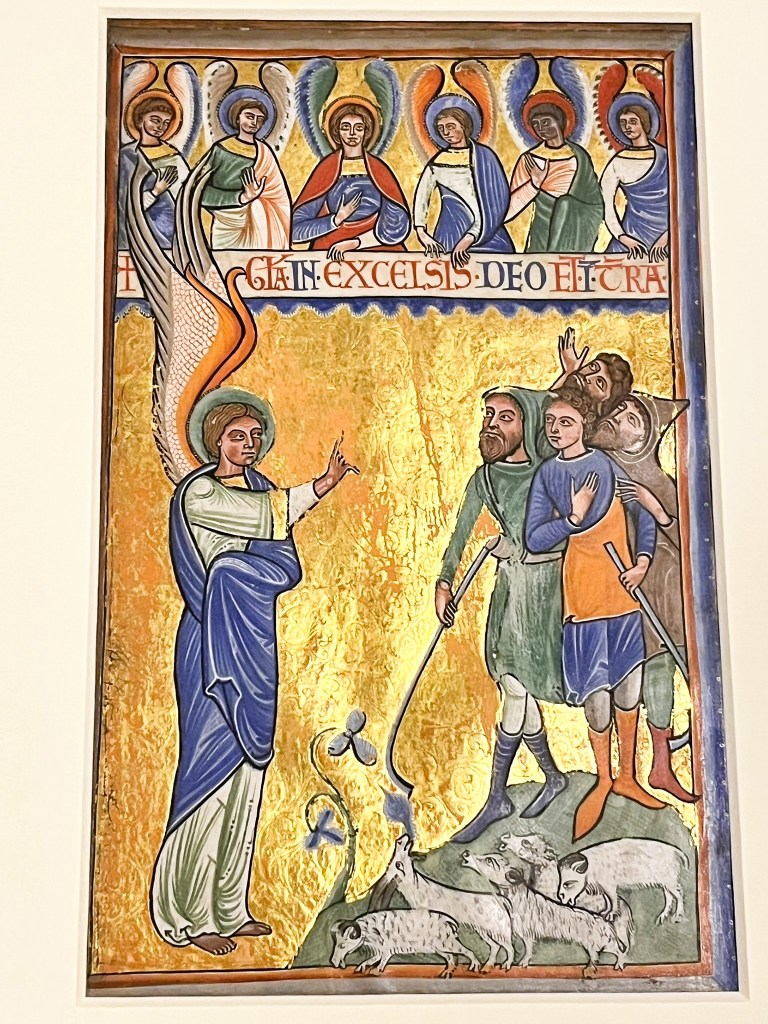
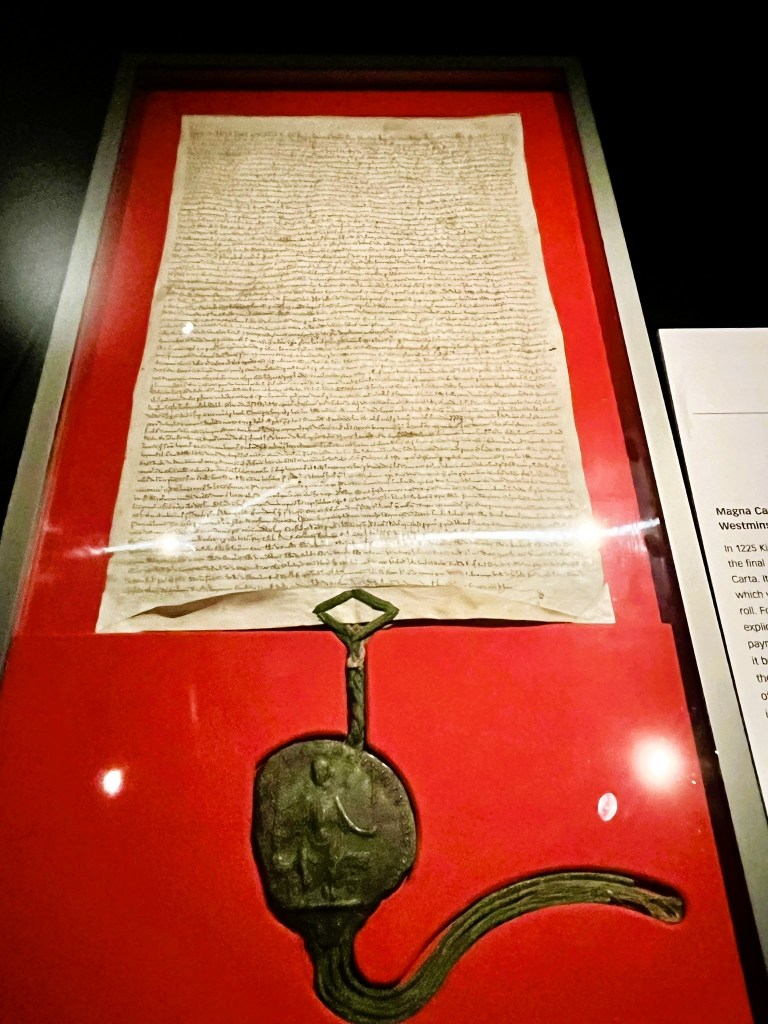
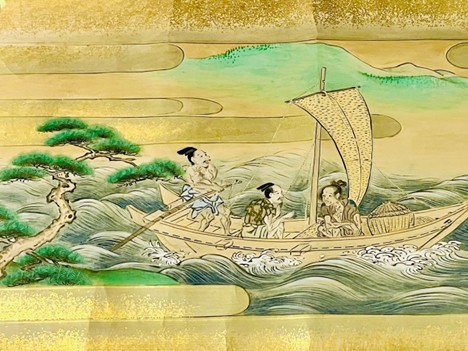
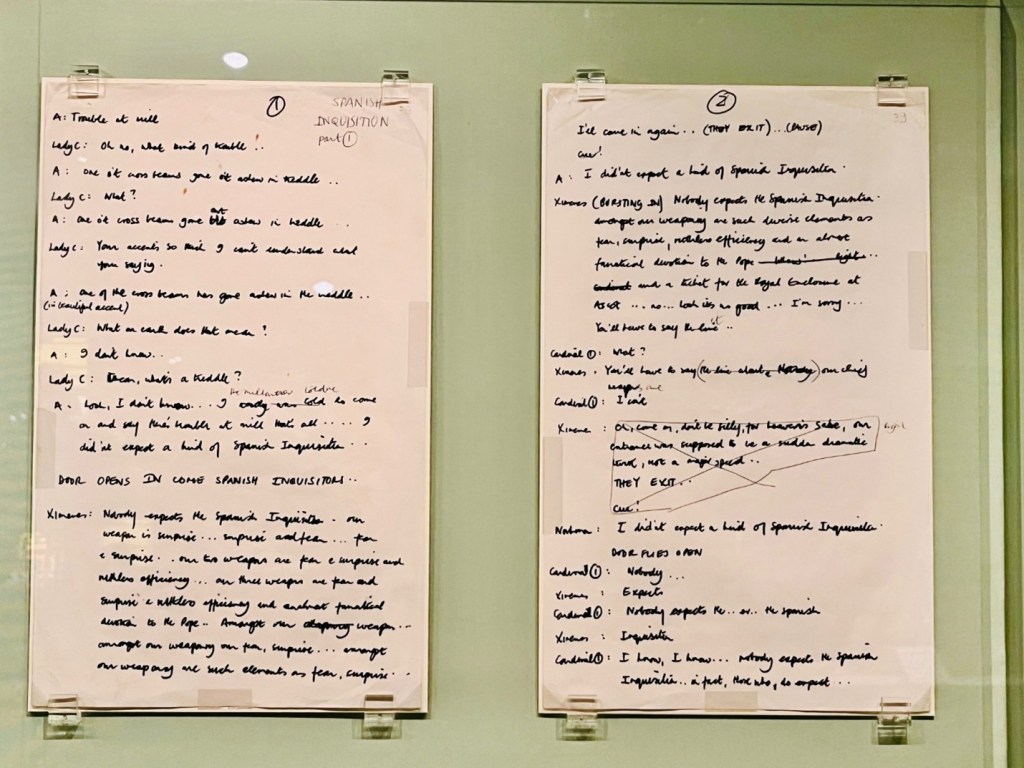
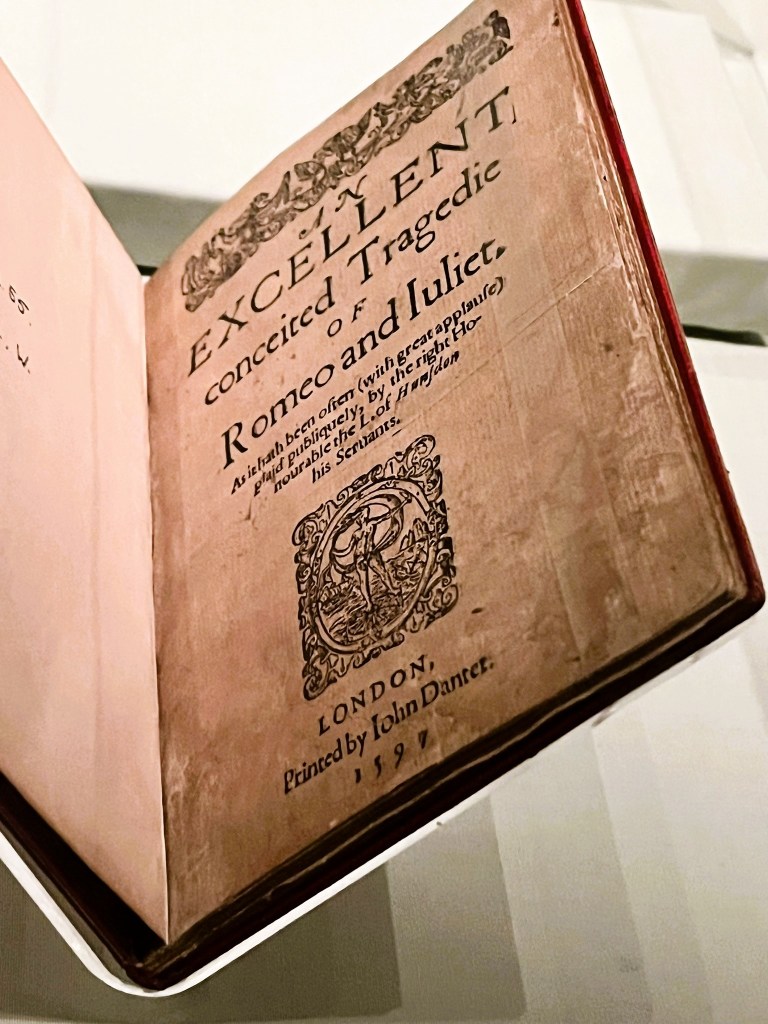
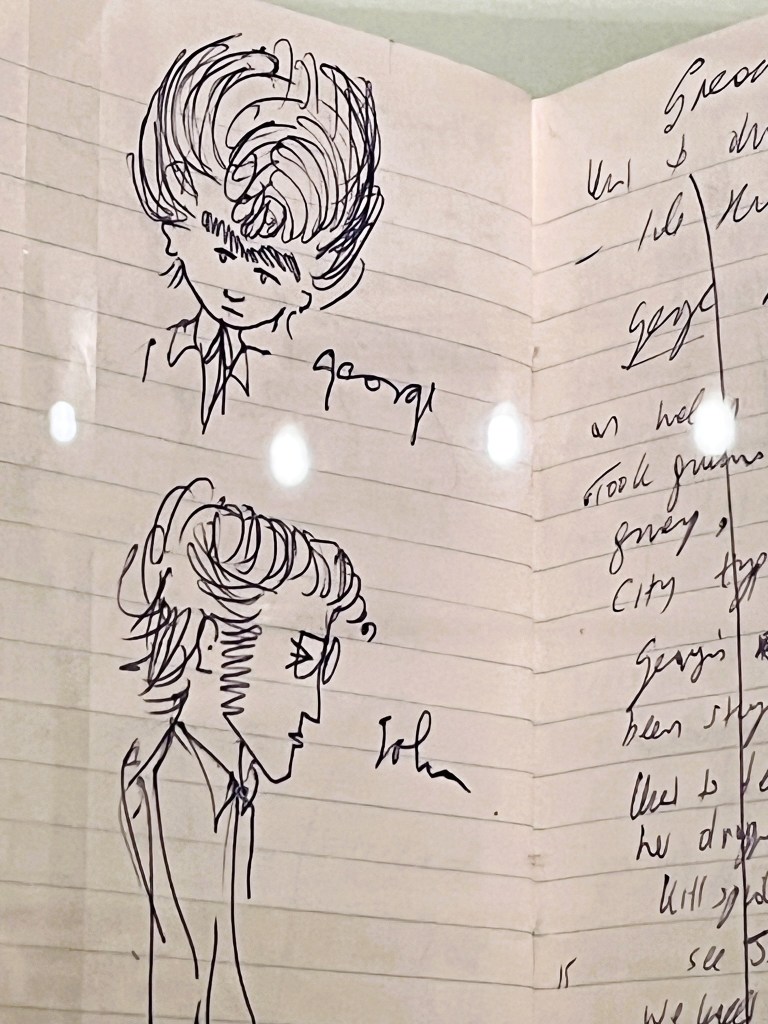
Among the treasures in the British Library are original compositions by Mozart and handwritten lyrics written by the Beatles. There’s a scene from Monty Python’s “Spanish Inquisition” sketch, letters from Charles Dickens, an original Beowulf manuscript, early editions of Jane Austen and a First Folio by Shakespeare. There are also beautifully illustrated Lindisfarne Gospels and two Gutenberg Bibles, one of da Vinci’s anatomy sketchbooks and the original 1215 Magna Carta as well as rare Japanese books and the world’s oldest printed book, the 8th-century Diamond Sutra.
The National Gallery
To complete our time in London, I turned to a place I hadn’t seen in more than four decades.
I barely remembered my first visit to The National Gallery. Jetlagged and dead on my feet from following my sister around London like we were contestants in some citywide scavenger hunt, we visited the museum on the second day of a two-month backpacking trek across Europe. Unaware of the masterpieces looming before me, my young self was more interested in resting tired legs than looking at art. It wasn’t until I’d seen every major museum from France to Spain, Italy and the Netherlands that summer that I knew enough to recognize a Matisse from a Monet, an El Greco from a Velázquez and a Rafael from a Michelangelo – all of whom have works hanging in The National Gallery.
Yet I had never returned to The National Gallery. Not until Robie and I saw how close it was to our Bloomsbury hotel and ducked inside the cavernous entry hall, wiping raindrops from our glasses and quietly marveling at the massive floorplan. Inside The National Gallery hang works spanning 700 years from the medieval period to Renaissance, Baroque then Rococo and Romanticism for a mind-numbing total of 2,600 paintings. With pieces from Spain’s Golden Age, Renaissance Italy, Dutch masters and French Impressionists, The National Gallery was the perfect place to spend two wintry English afternoons and sate my craving for great art.
Here’s a peek at what we found.
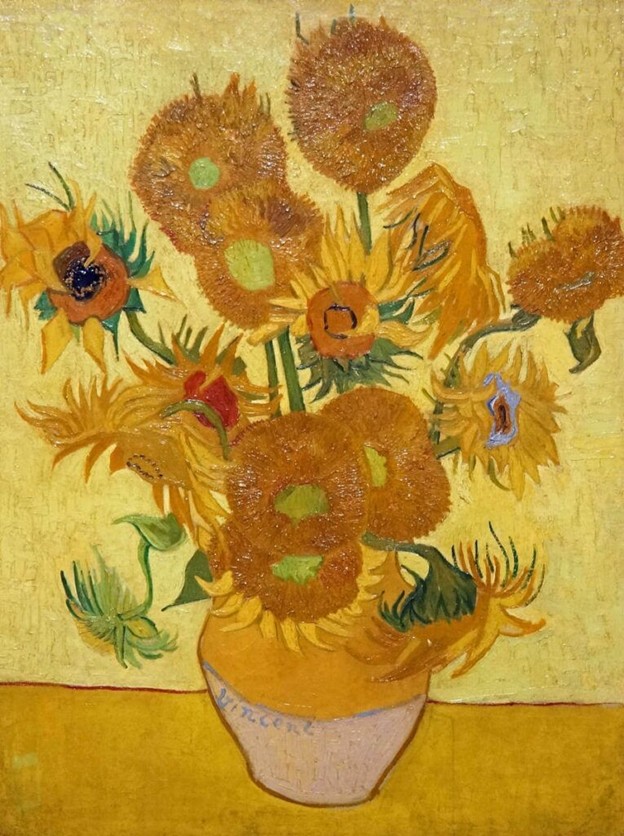
Sunflowers by Vincent van Gogh
A painting of fifteen yellow sunflowers, this is one of seven sunflower motifs by van Gogh and a gift to fellow artist Paul Gauguin.
The two painters had an intense, volatile friendship during the nine months they lived together in a “Yellow House” in Arles near Provence. For van Gogh, the house was to be a studio, an artists’ cooperative and sanctuary, a place that would attract others in the post-Impressionist era while fostering a new, vibrant style of painting inspired by the light of southern France.
Van Gogh was an emotional, passionate idealist while Gauguin was self-centered and judgmental, incompatible personalities that often led to heated disputes. Following one particularly rancorous argument, van Gogh suffered a breakdown and cut off his own ear. In the aftermath, Gauguin departed for Paris and later Tahiti. Though the two masters continued to correspond until van Gogh’s death, they never saw each other again. Yet for van Gogh, the break was a catalyst, triggering his most productive period where he produced emotionally charged works that reflected his inner turmoil.
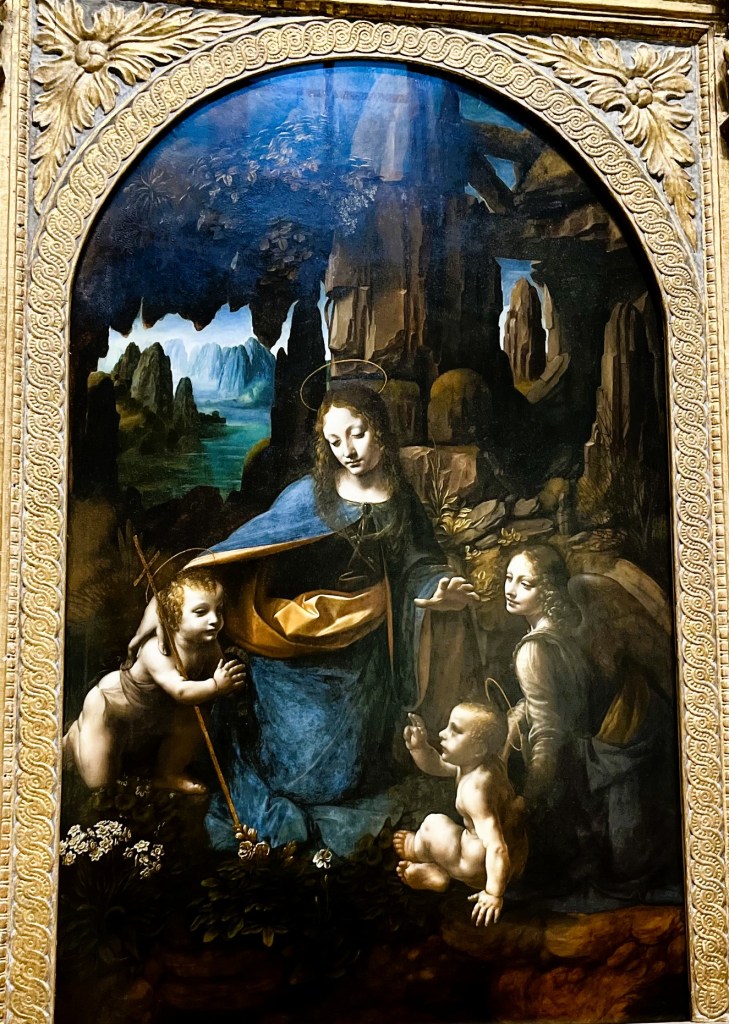
The Virgin of the Rocks by Leonardo da Vinci
Before Leonardo, religious figures were static, rigid caricatures in flat, two-dimensional settings. Replacing the heavily stylized images, da Vinci portrayed his subjects in natural settings, adding depth and illuminating characters with light that seemed to emanate just off canvas. By abandoning the old rules, da Vinci brought relatable realism to Biblical scenes that previously felt cold and inaccessible, and in the process revolutionized art.
In this groundbreaking painting, Leonardo depicts an imaginary meeting between the Virgin Mary, an infant John the Baptist and the Christ child inside a rocky cavern while an angel looks on. Rejecting the harsh outlines of traditional religious figures, da Vinci introduces a hazy effect blending colors and tones to highlight the tender scene.
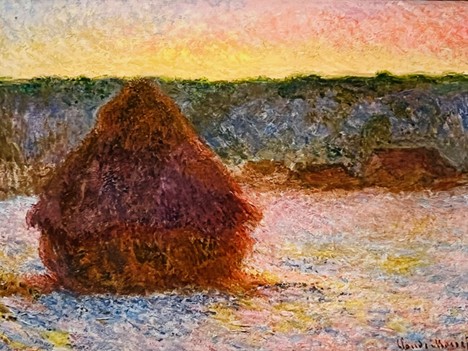
Grainstack (Sunset: winter) by Claude Monet
Before his study of water lilies, Monet shifted from painting multiple landscapes to a rigorous, systematic exploration of a single subject. In the 25 canvases known as the Haystack series, he focused on color, texture and light rather than the subject itself.
Using a scene found in a field near his studio in Giverny, Monet repeatedly painted the rural image over the course of several seasons experimenting with different viewpoints, compositions and light. Set against a hilly backdrop, a monumental grain stack dominates the scene bathed in the warm light of winter sunset. Through a stunning array of hot oranges, pinks, purples and light blues, Monet reveals the atmospheric effects surrounding the object – what he called the enveloppe, or “the same light diffused over everything.”
Unanimously acclaimed at a Paris exhibit, the Haystack series marked a turning point in Monet’s career earning support for his Impressionist style and validating his deeply researched approach.
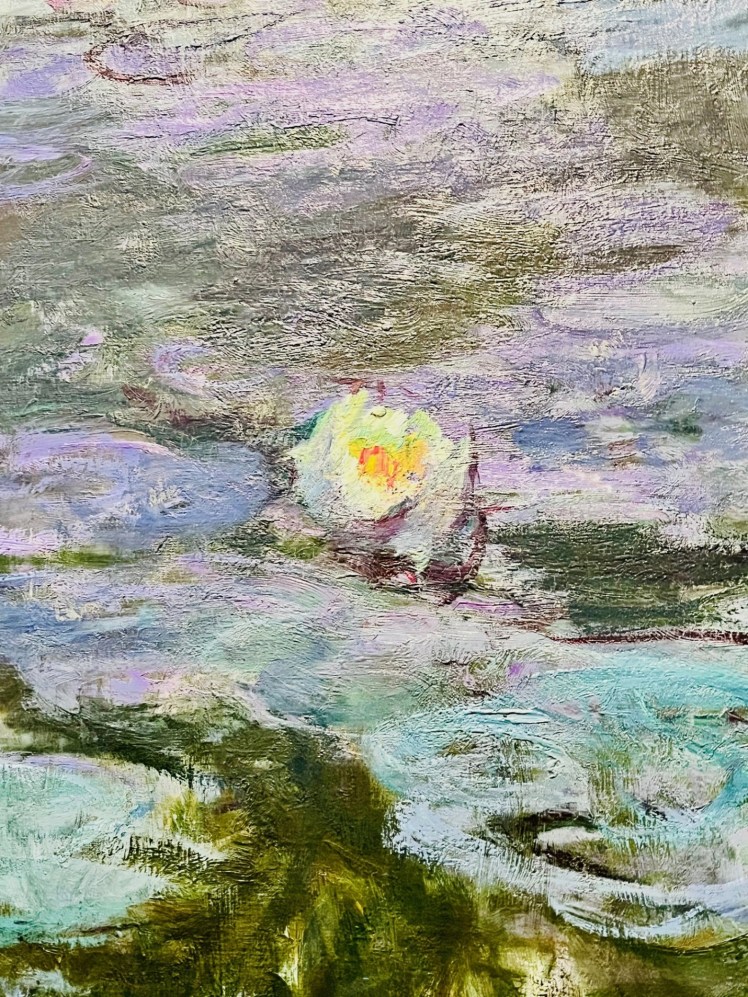
The Water Lily Pond by Claude Monet
With the sale of his Haystack series, Monet emerged as one of the most famous and successful artists of his day. With the new status, Monet purchased the rental home in Giverny and expanded the property to create a living garden that served as his studio. Filling a pond with water lilies, he covered it with an arched bridge inspired by Japanese prints and planted weeping willows at the water’s edge, a peaceful setting that became Monet’s main obsession and a site he described as his “finest masterpiece.”
Painting approximately 250 versions of his lily pond, Monet made a profound study of the fleeting effects of light, atmosphere and color while creating some of the most iconic images in the history of art.
Conclusion
While our stay in the British capital was brief, Robie and I found time to renew our love of a timeless classic, unearth a surprising new site and rediscover a nearly forgotten gem – the perfect itinerary for art lovers visiting Central London. And the best part is they’re all free!
 Reid & Robie