
You are what you eat. So don’t be fast, cheap, easy or fake.
– Homer
One of the best things about our roving retirement is the food. And not just the amazing cuisine we get to try, but the chance to recreate delicious dishes and add them to our repertoire.
In Liverpool Robie and I baked Toad in the Hole with sausages and onions. We simmered “beef joint,” with carrots, potatoes and peas before encasing it in puff pastry for a Steak and Ale pie. And we combined cabbage, sausage and beans to make Irish Stew. While none were purely traditional, they were a close approximation. And tasty.
As soon as we landed in Greece our diet changed. Despite our arrival toward the end of fall, tomatoes still had their summer-ripe sweetness and eggplant, cucumber and zucchini filled the produce aisles. Citrus trees hung heavy with oranges and lemons. Shops stocked local wine and honey. While beef was nonexistent and chicken only came frozen, our butcher carried fresh lamb, goat and pork as well as fish hauled in right off the dock. And we found fresh herbs on the mountain trails and bread at the bakery next door.
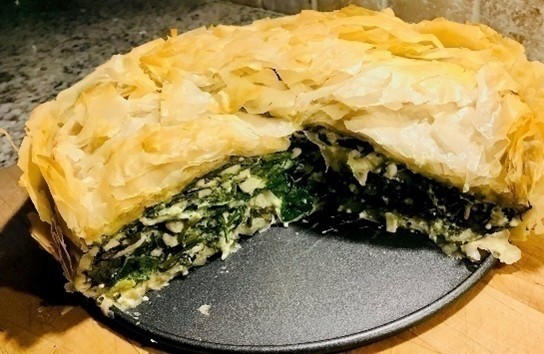
For years I made a spanakopita recipe I got from the Greek Festival in Dallas. Yia-Yia’s recipe called for fresh spinach, green onions, dill and mint, eggs and feta. But her secret ingredient was cottage cheese to boost the flavor of cheese and add creaminess. In Europe cottage cheese is oddly rare. While available in Liverpool, even small tubs were expensive. But when we couldn’t find any on Ikaria, we substituted a creamy farmer’s cheese.
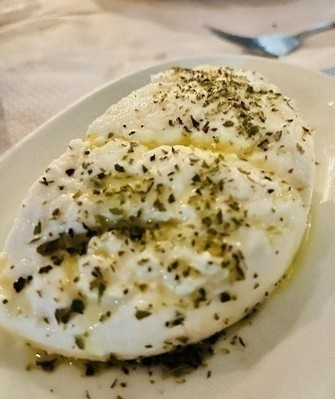
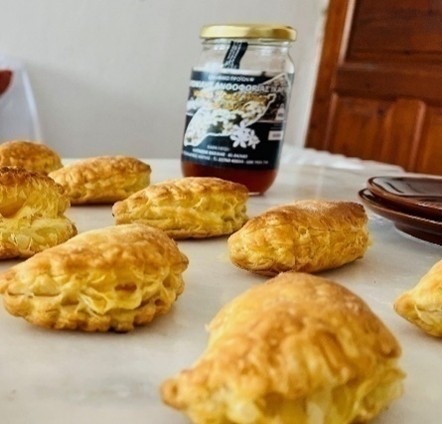
Like cheddar in the UK, feta is ubiquitous in Greece. A generous slice is added to Greek salads, baked in foil with peppers and tomatoes, or cut into triangles and served simply with olives. But on an island where goats and sheep abound, fresh farmer’s cheese comes in a variety of flavors and consistencies from thick and creamy to dry and crumbly. And when Robie and I accidentally ordered Greek salad and a cheese appetizer one night at dinner, we brought the leftovers home to make Spanakopita and turn the rest into Tiropita, traditional cheese pastries we ate with a drizzle of Ikarian honey.
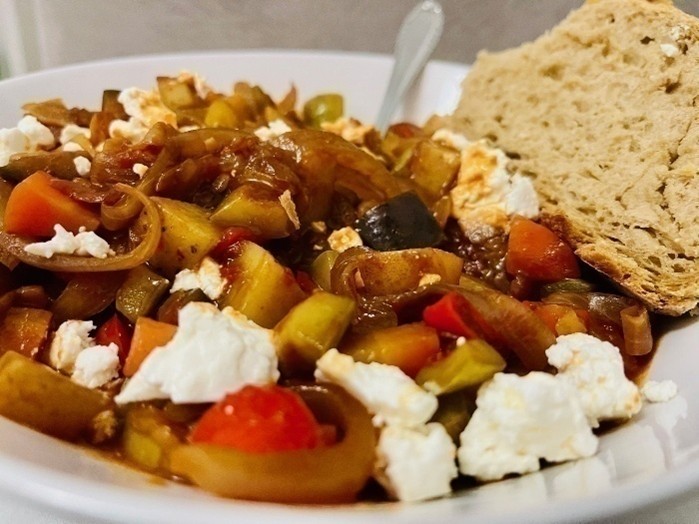
Before the bounty of summer produce dwindled, we made Soufiko, a Greek ratatouille combining eggplant, zucchini, carrot, onion, bell pepper, garlic and tomatoes with aged balsamic vinegar.
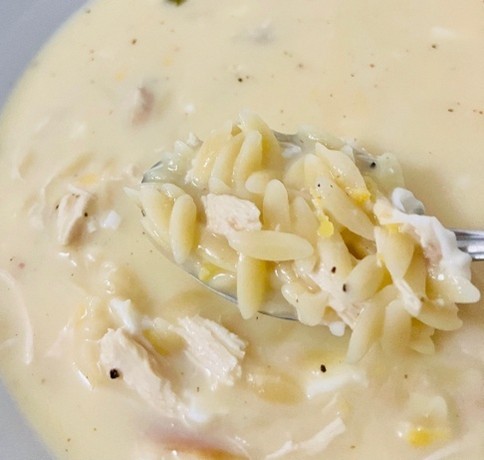
As the days got cooler, I used leftover roast chicken to make Greek Avgolemono, a soup with orzo, chicken, lemon and eggs.
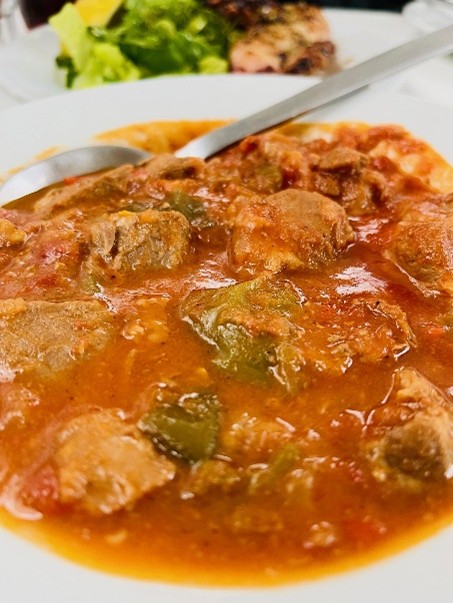
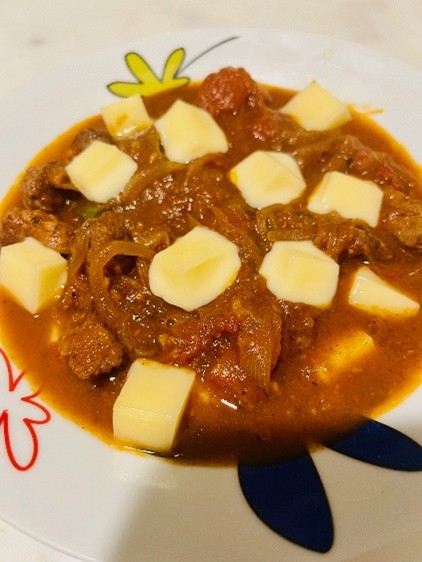
But our biggest surprise was Bekri Meze, a dish that loosely translates to Drunken Pork Stew.
Traditionally served around Christmas, Robie and I had our first taste of Bekri Meze at a waterfront taverna on Mykonos where the description of a pork stew with cheese sounded too good to pass up. On a cool December day, the stew warmed us with smoky paprika, a hint of heat, chunks of cooked green bell peppers and fresh tomatoes, fork-tender bites of pork, cubes of melty cheese and thick slices of fresh bread to sop up the liquid goodness. And as Robie and I wiped the bowl clean we knew we had to try and make it.
We found a recipe online that didn’t have bell peppers and came with the option of using fresh or canned tomatoes, but it looked more like meat and cheese in tomato sauce than stew. So, using the recipe as a guide and recalling the flavors from Mykonos, we went to work to recreate the dish and came up with the recipe below.
But first, a few notes.
I’m not a baker or recipe developing food blogger for a reason. I rarely measure anything, and in our rental apartments measuring utensils are often nonexistent. But cooking isn’t about following a recipe. It’s about taking the ingredients and techniques and massaging them to fit your kitchen and your tastes. So, to paraphrase Captain Barbossa in The Pirates of the Caribbean, this recipe is more like a guideline than a rule.
Second, cuts of meat differ around the globe. What Robie and I found in our small market in Ikaria was called “pork steak” and looked like thinly sliced pork blade with bones and clearly defined muscle groups. For American cooks, Robie suggests using cubed pork shoulder, but you could use center-cut chops (deboned) or shanks.
Kefalotyri, a hard, salty, sharp cheese made from sheep’s or goat’s milk is the traditional cheese used in Bekri Meze. The online recipe we found suggested substituting gruyere, but we opted for gouda the first time and edam the second because they’re creamy, hold their shape when melted, and easy to find. That said, you can’t go wrong with Chihuahua cheese or Monterrey Jack. But if you like your cheese squeaky, I think grilled halloumi would be delicious in this dish. Finally, while onions in Greece are red and sweet, a yellow or white onion will work fine.
And now, the delicious Greek Drunken Pork Stew that’s sure to become a favorite in your lineup of warm winter classics.
BEKRI MEZE RECIPE
- Serves 2 as an entrée or 4 as an appetizer, the way it’s often served in Greece
- Prep time: 20 minutes
- Cook time: 1 hour
- Difficulty rating (on a scale of 5): 2
Ingredients
- 1 – 12-16 oz. pork shoulder blade, deboned and cubed (keep the bone to cook with the stew for added flavor)
- Smoked paprika
- Garlic powder
- Cumin
- 1 medium onion, thinly sliced
- Healthy glug of red wine
- Shot of ouzo (optional)
- Tomato paste, roughly 2-3 tbsp if double concentrated, more if single
- 1 – 14 oz. can of whole tomatoes
- 2-3 whole garlic cloves (no need to chop them as they’ll cook down and break apart in the stew)
- Cayenne or crushed red pepper to taste
- ½ – 1 Green bell pepper, cored and seeded, and cut into large cubes
- 2-3 Roma tomatoes, cut into large cubes and seasoned with salt
- Melty cheese of your choice like gouda, edam or Chihuahua, cubed
Instructions
- In a bowl, season the cubed meat and bones liberally with salt and paprika. Then add garlic powder and cumin. Mix thoroughly and set aside for 30 minutes at room temperature while you prep the vegetables.
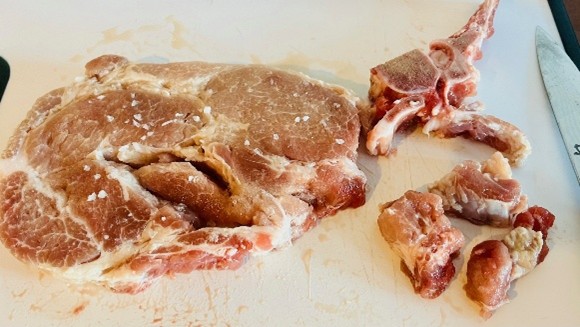
- Heat a couple of tablespoons of olive oil in a Dutch oven or high-sided sauté pan on medium-high heat. Once you see whisps of smoke, add the meat and bone in one layer and let it cook, undisturbed, for 3-5 minutes. Then turn the meat to sear the other side. Note: if your meat is cut into thick cubes you may need to sear it on all sides but that’s okay. This step is where flavor develops so don’t skimp on searing.
- Drop heat to medium and add the sliced onion, stirring constantly for 3 minutes until they start to cook and turn red from the paprika.
- Add wine and ouzo and let them cook most of the way down.
- Make space in the middle of the pan and add the tomato paste letting it caramelize into a deep brown color before stirring into the dish.
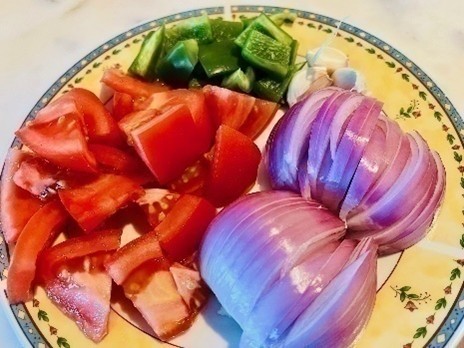
- Add the canned tomatoes, garlic cloves and crushed red pepper or cayenne plus enough hot water to cover the meat by an inch. Partially cover with a lid and simmer on medium-low for 20 minutes.
- Add the green bell pepper. Replace the lid with room for some steam to escape and simmer another 10 minutes before adding the fresh tomatoes.
- Simmer 5 more minutes until the stew is the consistency you want. If it’s too thick, add water. If it’s too thin, simmer longer with the lid off.
- Remove pan from heat and fish out the pork bones. Toss in the cheese and stir.
- Ladle stew into serving bowls, top with more cheese and serve with crusty bread to wipe the bowl clean.
- Enjoy!
 Reid & Robie