
When the stomach gets full it tells the head to sing.
– Moroccan proverb
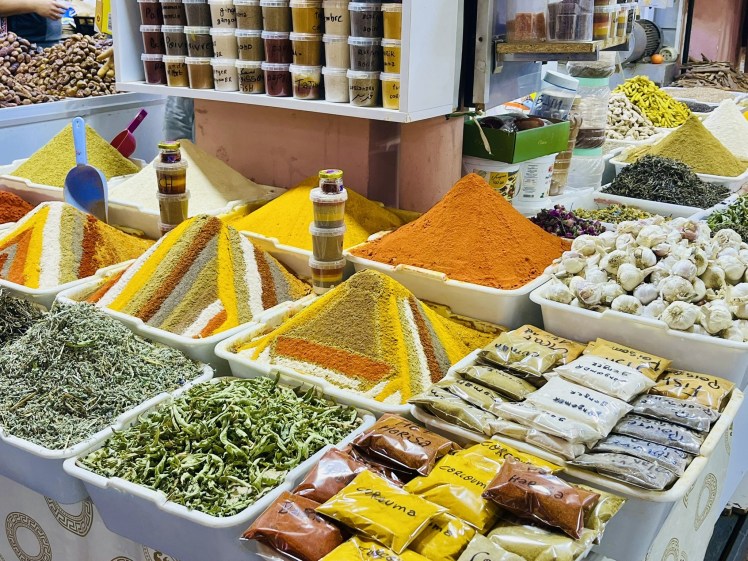
After getting a taste of Morocco’s mouthwatering cuisine, Robie and I couldn’t wait to find a market filled with exotic spice blends, briny olives, fresh vegetables and loaves of round bread to reconstruct some of the dishes in our rented apartment kitchen in Essaouira. First, however, we had to figure out where (and how) the locals shopped.
We started at Carrefour, a large, French supermarket on the outskirts of town frequented by Essaouira’s considerable European community. Here, we bought canned foods, condiments, tortillas, toiletries and dairy. There was even a small, refrigerated case selling cured pork products, a rarity in a Muslim country, and when we noticed a string of cheap, battery-operated Christmas lights at the store in December, we picked up a strand and added a little holiday cheer to our Moroccan apartment. But since Carrefour mostly catered to European expats, we wanted to know where the locals went for groceries.
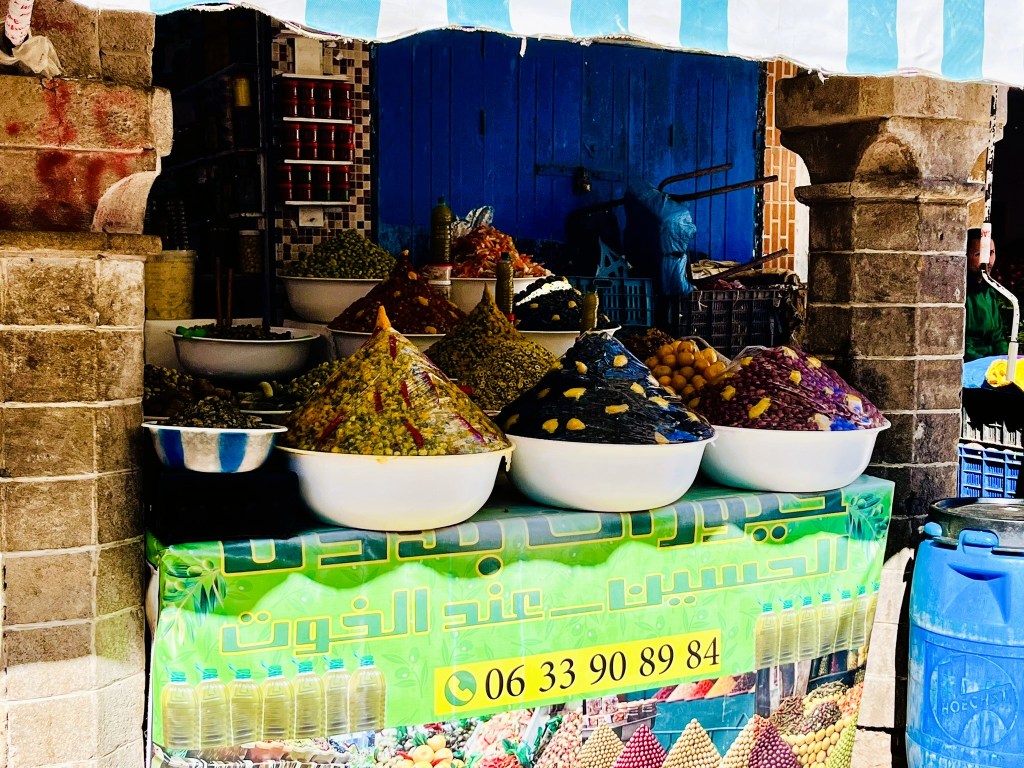
Inside the walled old town of the medina, we found food stalls with vendors specializing in various products. There was a large fish market. Olive sellers offered mounds of stone fruit marinated in brine, citrus or hot peppers. We wandered down the spice aisle, saw several bakers and some sweet sellers as well as a few butchers and an area dedicated to produce. But since the medina was too far from our apartment to make daily visits to buy perishables, we needed to find where the locals in southern Essaouira shopped.
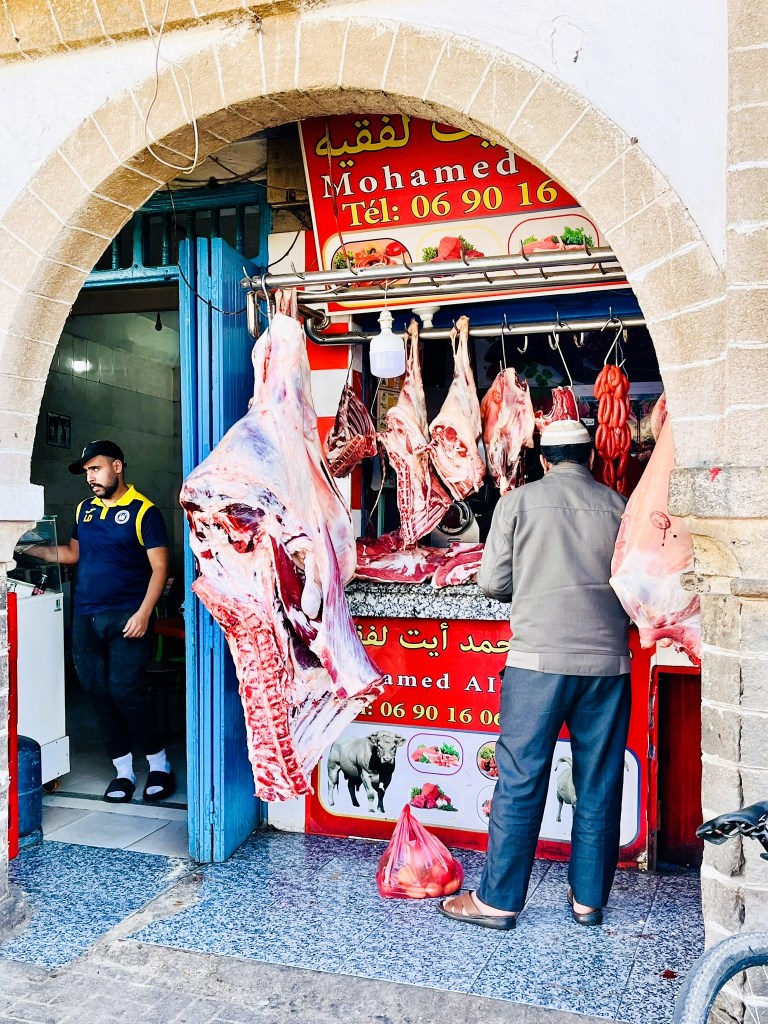
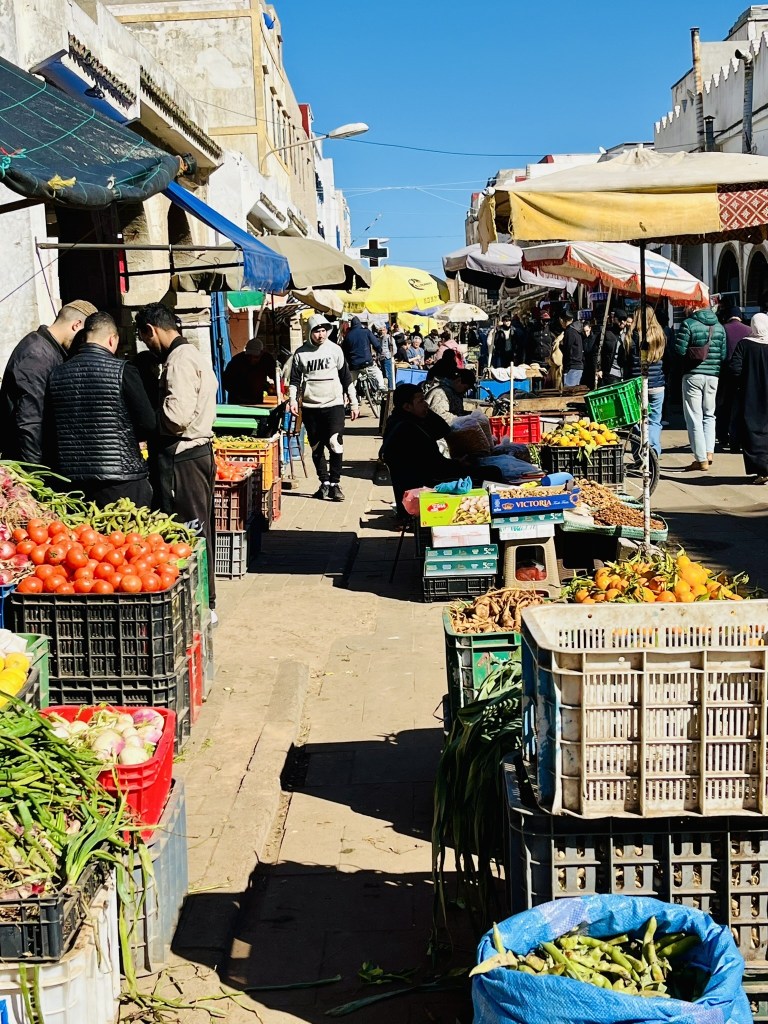
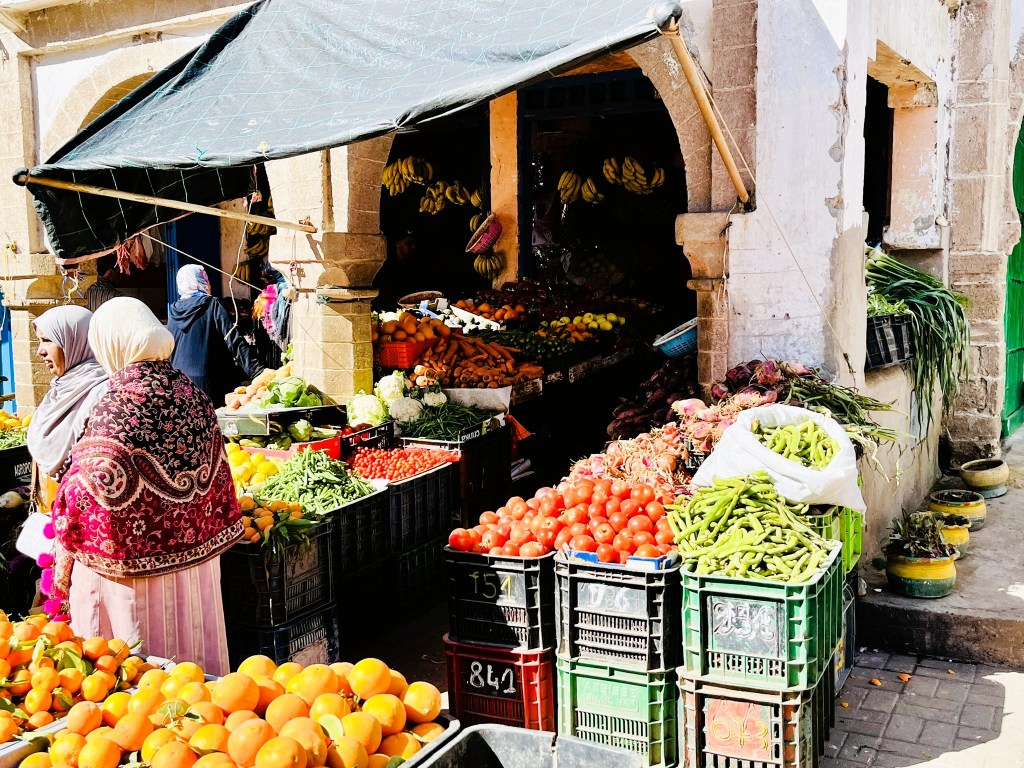
After wandering the neighborhood behind the promenade, we stumbled onto a series of alleyways where Robie and I were often the only foreigners in sight. In the trio of triangular streets surrounding Tamezguida Mosque we found fresh meat, bread and produce. Boucherie el Borj carved his own meat and ground spices with beef and lamb to make fresh sausage. A large produce market offered fresh fruits and vegetables. At the boulangerie, the baker sold fresh breads and nutty, sweet strudels while a patisserie across the street carried an array of almond cakes and cookies alongside French-inspired delicacies like layered, puff pastry dipped in chocolate.
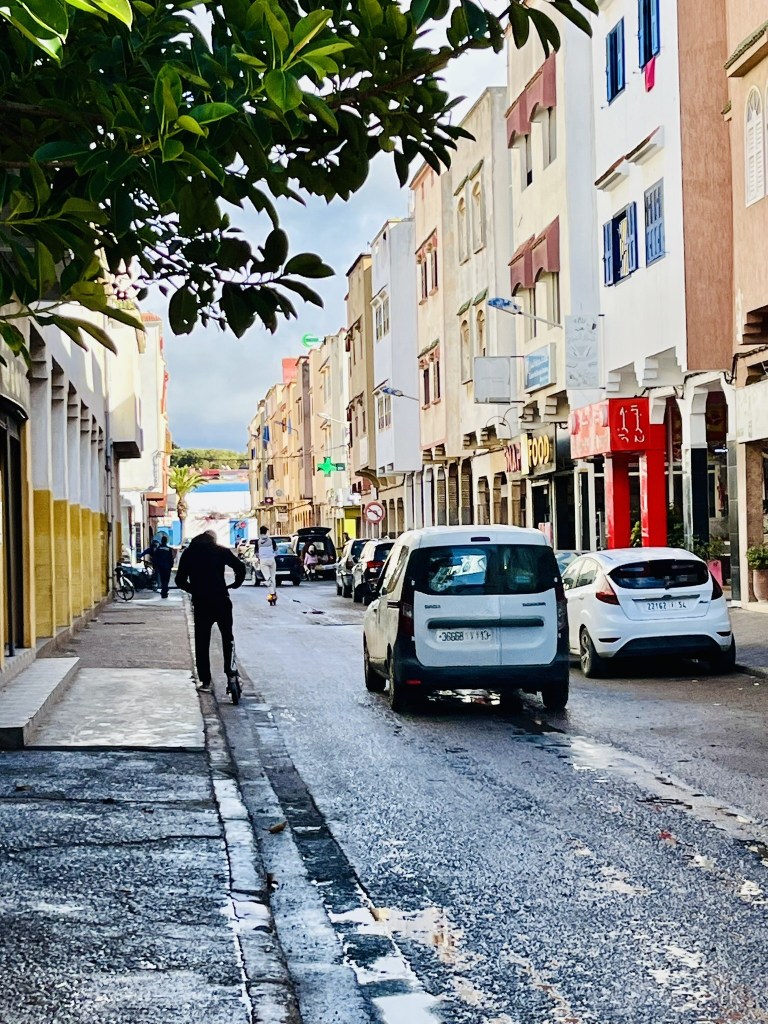
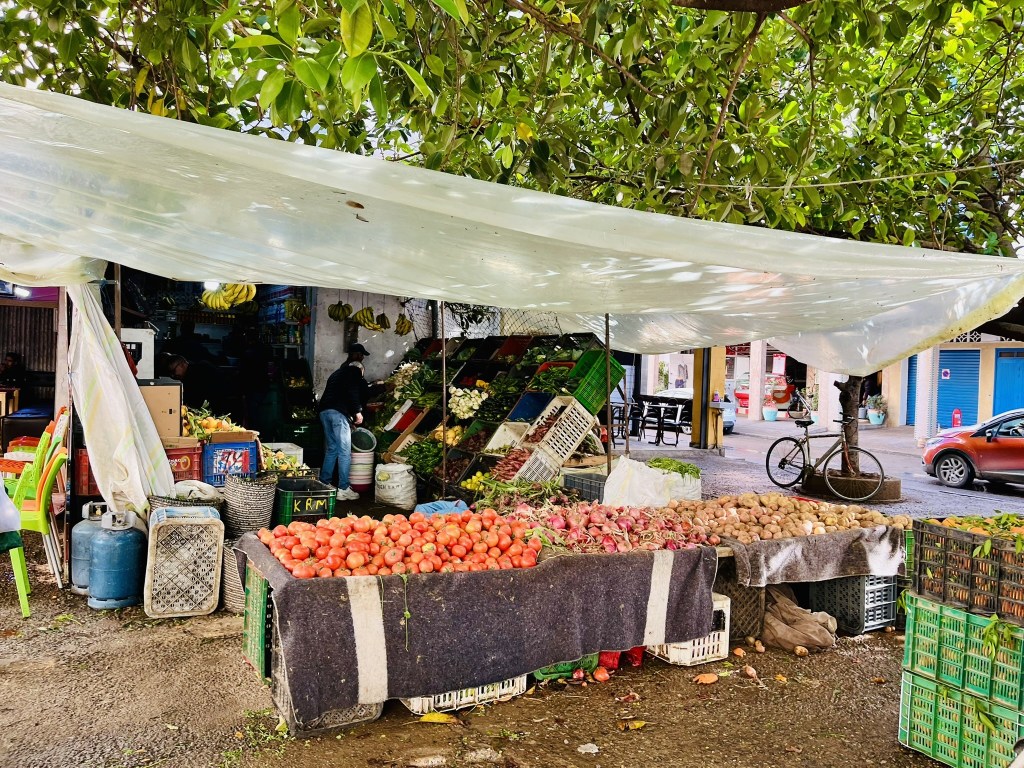
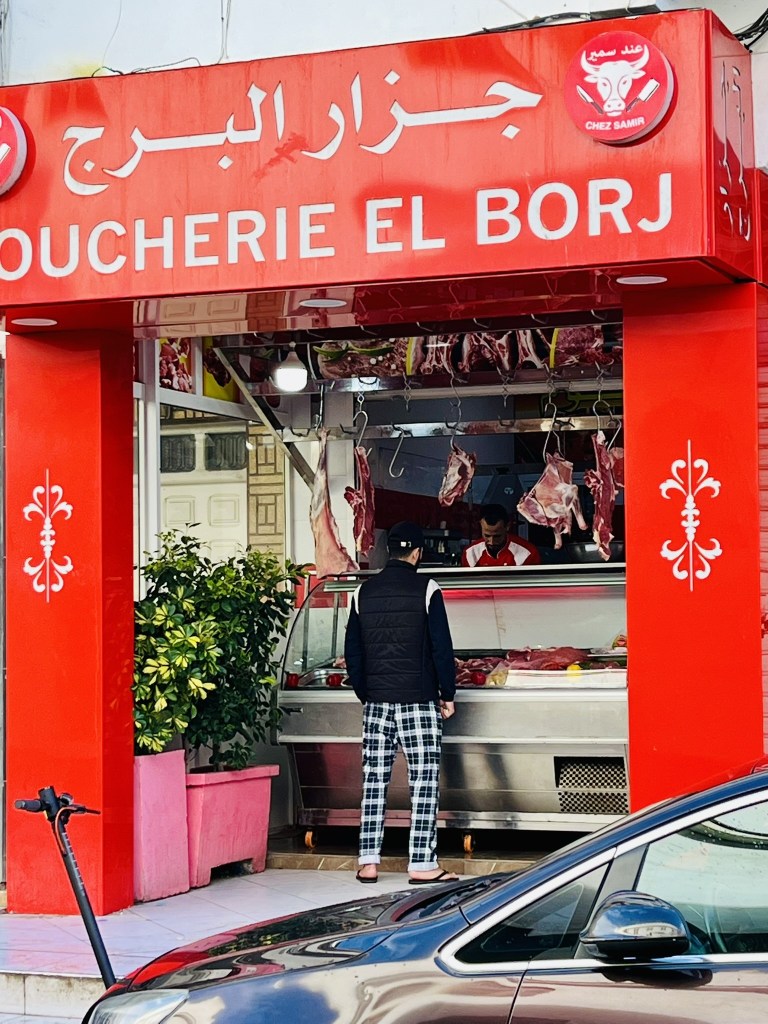
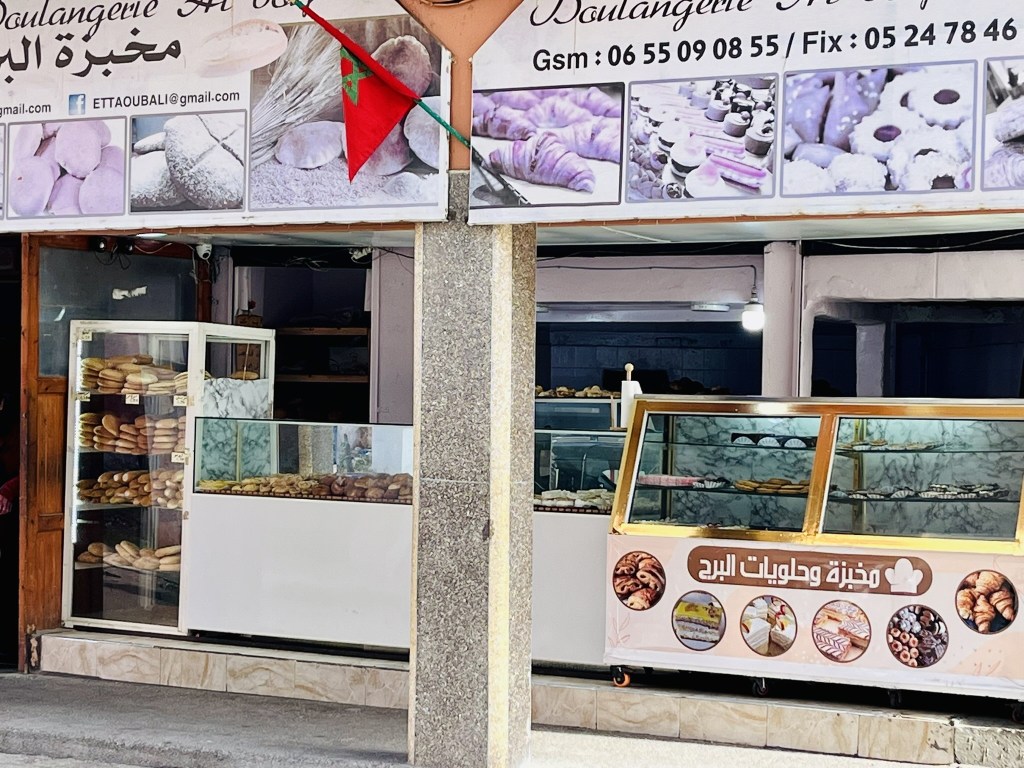
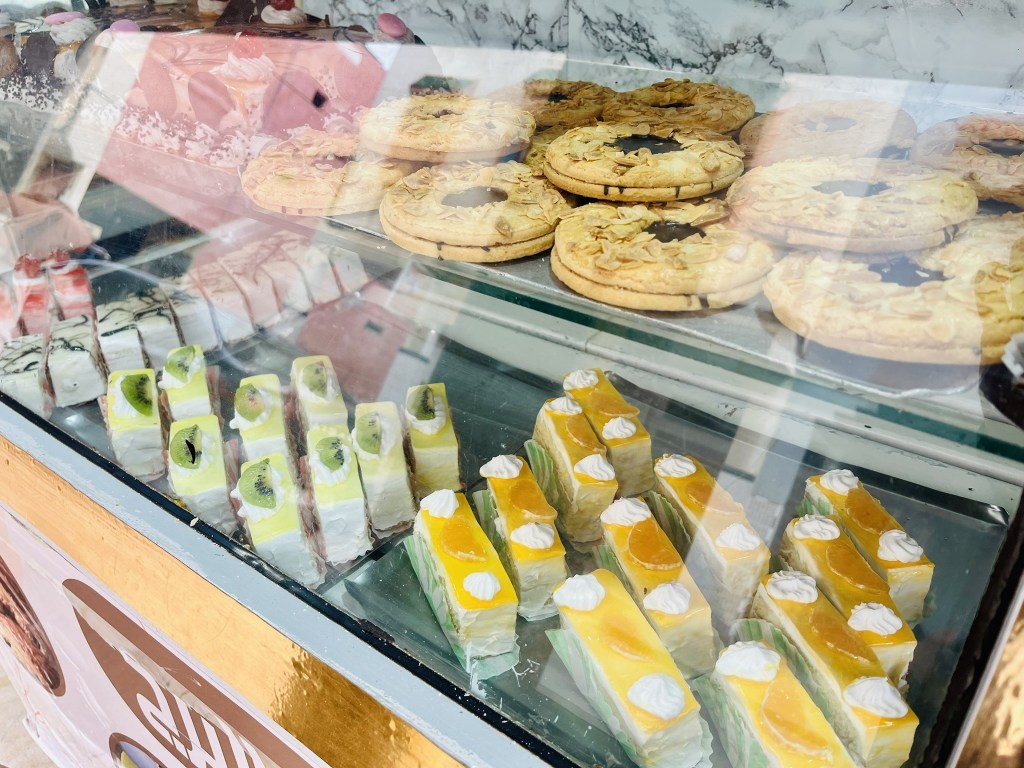
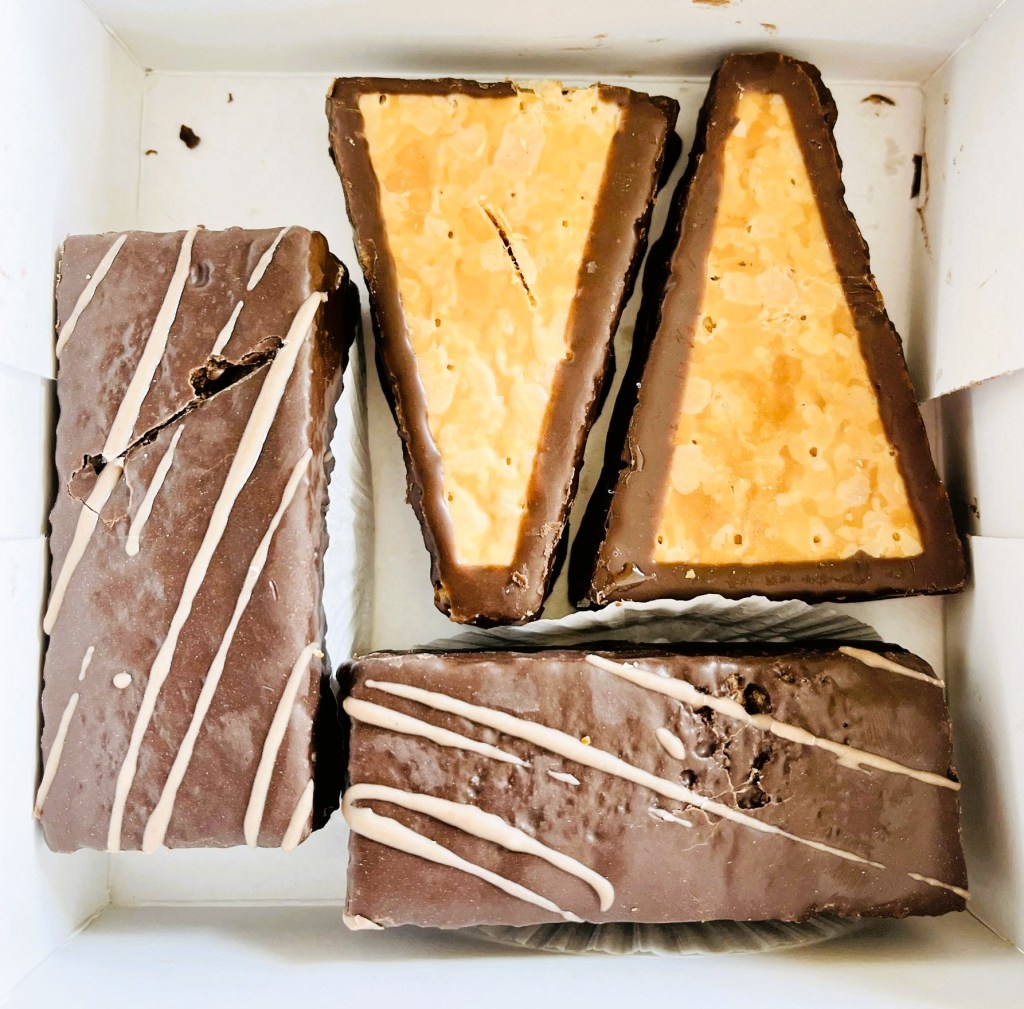
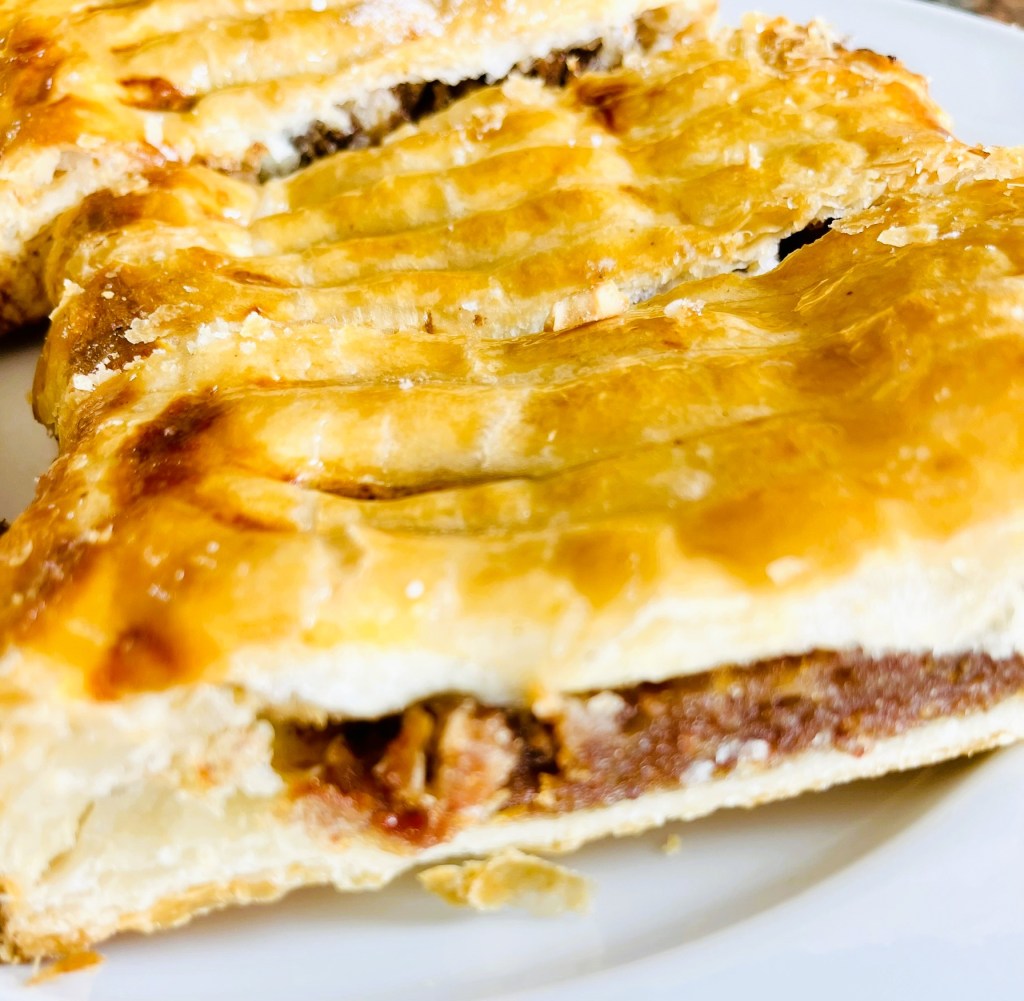
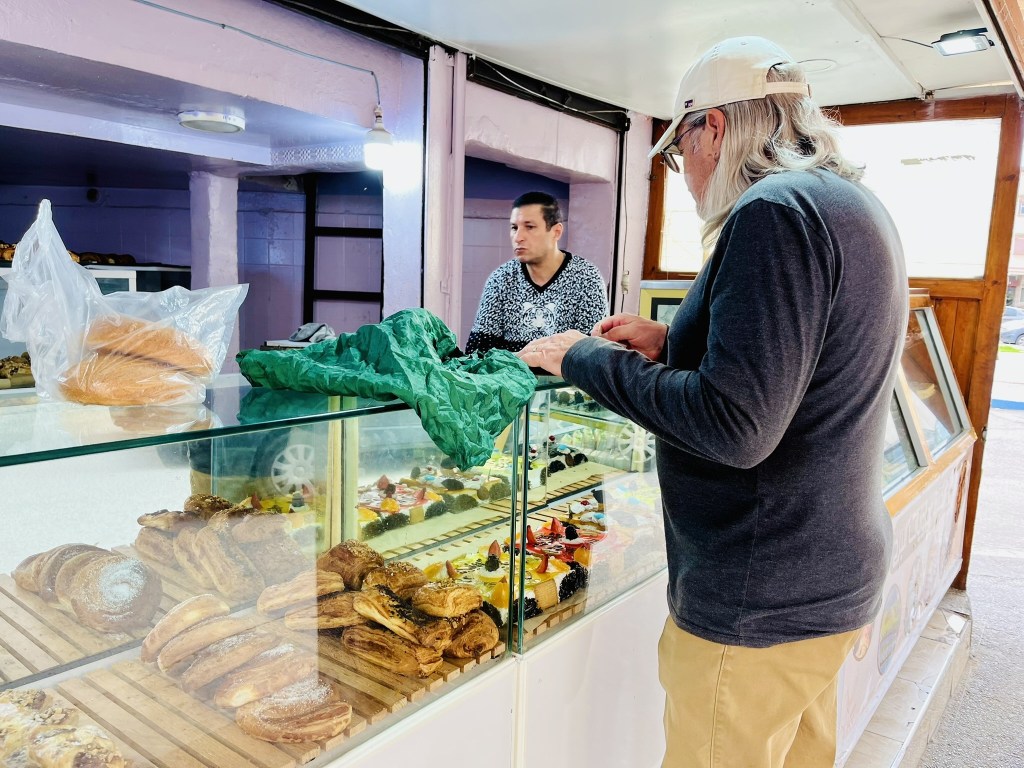
But knowing where to shop and knowing how to shop are two different things. With only a handful of French words between us, Robie and I got what we needed at the boulangerie, butcher and patisserie by pointing to items in the case and indicating the quantity with our fingers before holding out a handful of coins for the vendor to take what we owed.
At the produce market things weren’t that simple. Hovering nearby, we watched the locals fill plastic bowls with apples, cucumbers and onions before elbowing their way to the counter to have their selections weighed and bagged. Joining in, Robie and I often got pushed aside by determined shoppers, but we learned to enjoy the contact sport of buying produce on the street in Essaouira, and once we had our meat, bread and produce, we headed home to recreate some amazing meals.
Moroccan Salad
During our first meal in Essaouira, Robie ordered a simple Moroccan salad.
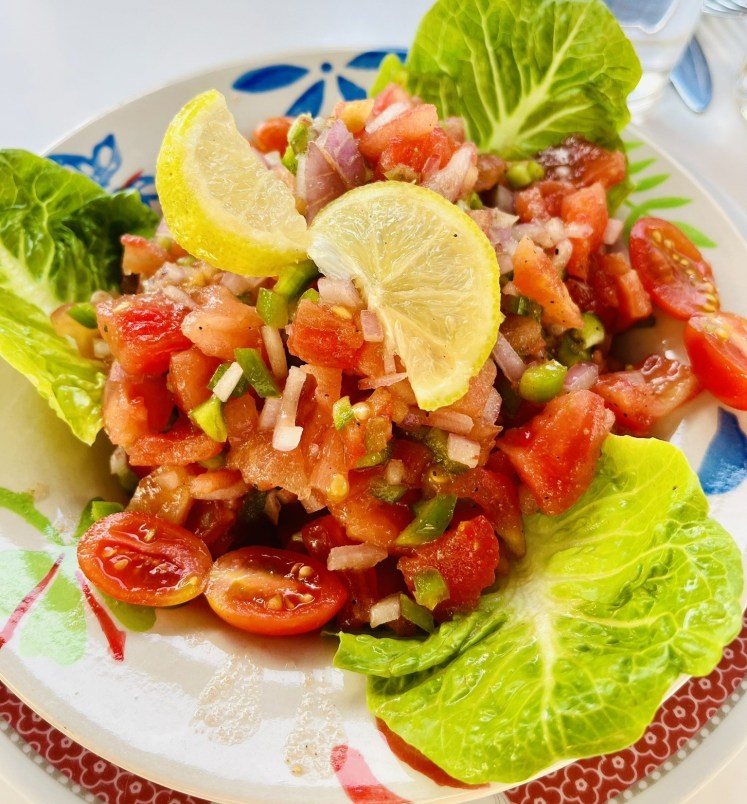
Made from diced tomatoes, cucumber, lettuce and onion, the fresh combination was seasoned with salt and simply dressed with olive oil and a squeeze of lemon. It was so easy and satisfying that it soon became our new favorite surpassing the much-loved Greek salad from our stay on Ikaria.
Couscous
During that same lunch, I ordered lamb couscous mounded with vegetables, and by the time we walked out of the restaurant I was determined to up my couscous game.
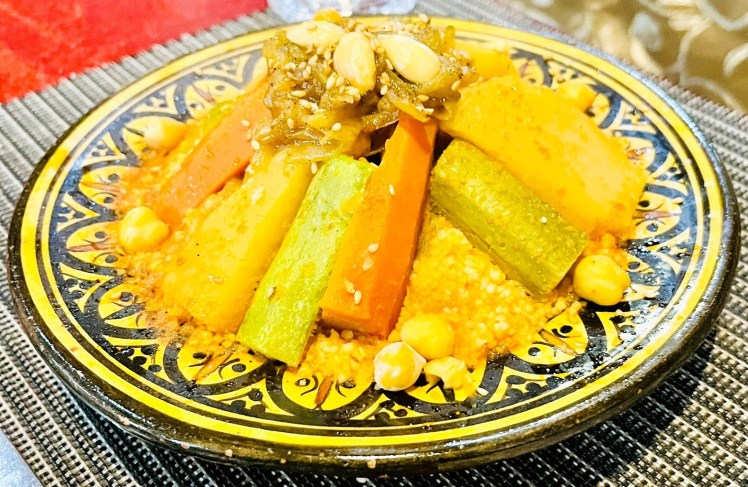
A quick-cooking pasta made from semolina flour, couscous is well known for its versatility and ease, becoming an inexpensive staple of our roving retirement. But after watching Robie smother his couscous in butter to add flavor to the bland granules, I knew I needed to improve the way I served the side dish.
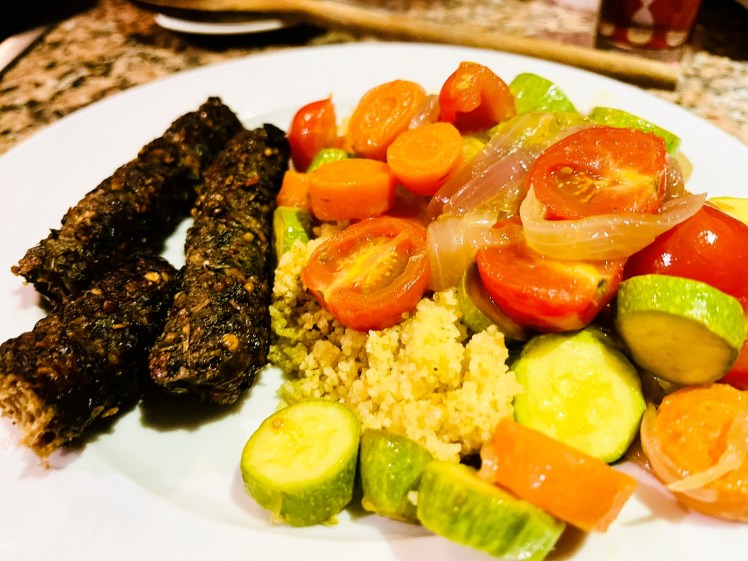
In Essaouira I started toasting the dry beads in a teaspoon of olive oil plus 1½ teaspoons of cumin coating each crumb before adding boiling liquid. In place of water, I used chicken stock or bouillon cubes and doubled the amount of liquid since like our rice, we prefer couscous moist and supple, holding together on a fork rather than falling back onto the plate. But without a tagine to steam the couscous and toppings together, I needed to find another way to bring flavor to the pasta.
I started by sauteing the vegetables in a separate pan, and while good, I wanted to tweak the one-note flavor of cooking all the vegetables together. That’s when I discovered two simple steps that turned our veg-laden couscous into a weekly dish.
Starting with onions, I slowly softened them in olive oil until translucent before adding a tablespoon of water and covering them to let the onions simmer until they were brown and jammy. Once the onions were perfectly cooked, I removed them from the pan, turned up the heat and added sliced zucchini and parboiled carrots until they both took on a little color. Then I added halved grape tomatoes for a pop of bright, fresh flavor and the jammy onions back to the pan before scooping out the luscious couscous and topping with a heap of delicious vegetables.
Kofta
At that same lunch in town, Robie selected the kofta, a beef meatball tagine simmered in tomato sauce and topped with a runny, fried egg. When we asked the owner what spice was in it, he brought out a small dish filled with a powdery, red substance called harissa.
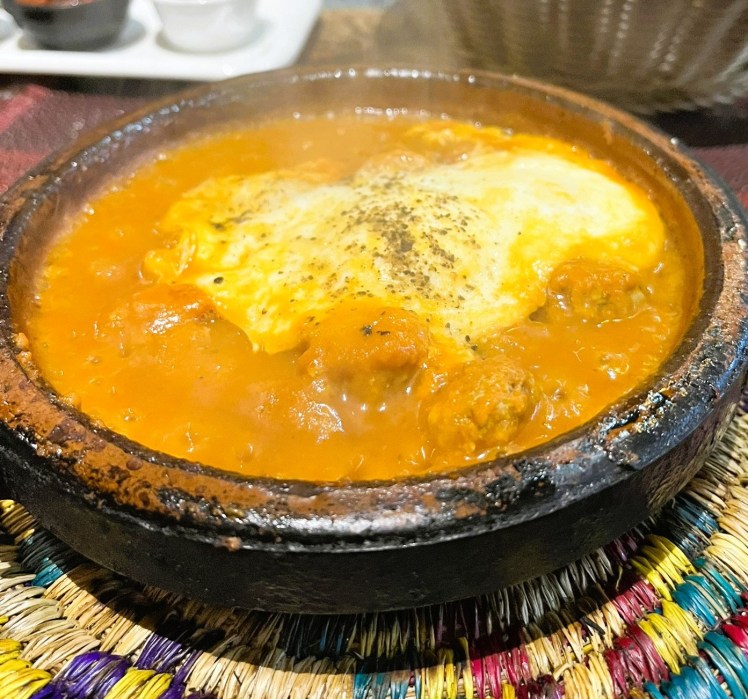
While I was familiar with harissa paste, a fiery, heady concoction, the spice mixture starts as a powder made from dried chiles, garlic, cumin, coriander and smoked paprika. After buying a heap of dried harissa from the spice market, Robie set out to recreate the dish.
Chicken and olive tagine
Another favorite was chicken and olive tagine, a tangy dish made with ras el hanout, Morocco’s signature spice blend. This complex mixture of more than 40 spices included ginger, cinnamon, cumin, cardamom, paprika, saffron and turmeric.
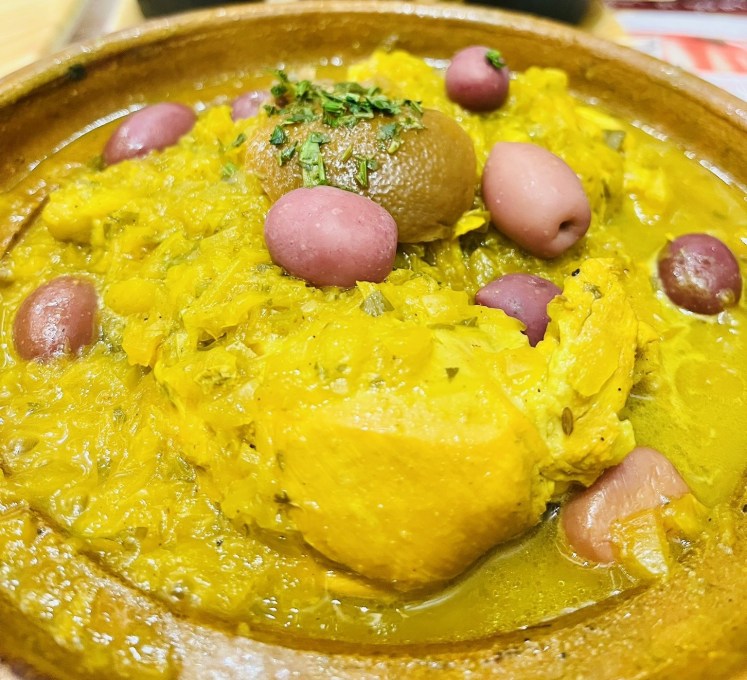
When we discovered that the rotisserie chickens at Carrefour were not only cheaper than buying a whole, uncooked bird but also came seasoned with a liberal coating of ras al hanout, it made reheating the chicken (in pieces or off the bone and shredded) in a light broth with sautéed onions before adding green olives an easy weeknight meal.
Moroccan omelet
During our wanderings around Essaouira’s medina, Robie and I kept walking by Chez Jawad, a tiny place where diners at outdoor tables greedily dipped bread into something that looked delicious. After translating the menu, we learned the small restaurant specialized in Moroccan omelets cooked in small, stainless-steel pans served without utensil – only khobz, a soft, round bread used to scoop up the eggs. When we noticed a similar offerings at a stand during our trip to Agadir, Robie and I sat down to enjoy eggs sautéed with tomatoes and harissa topped with olives and peppers.
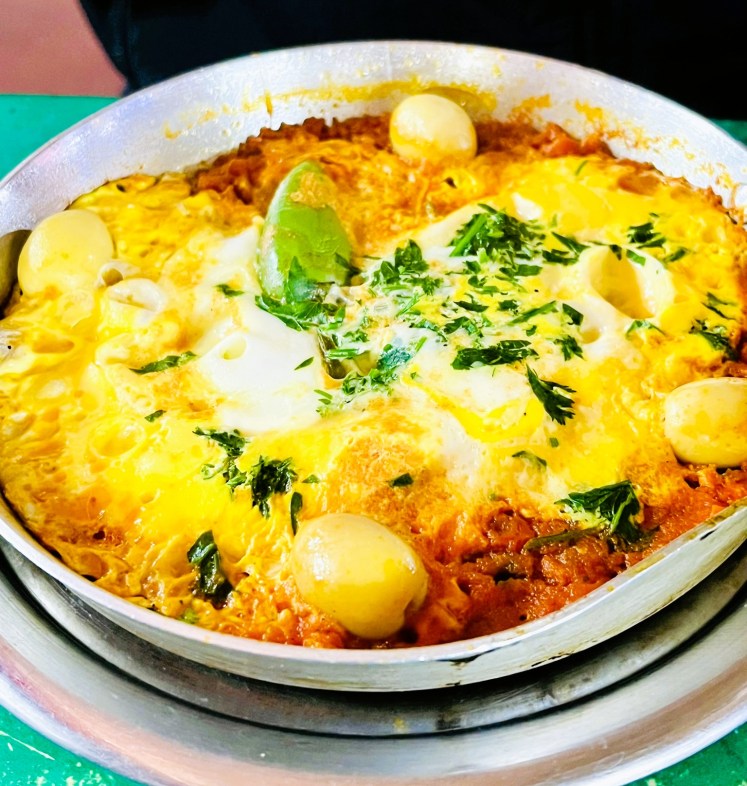
After returning to Essaouira, we set out to make this simple, delicious dish at home, and with a few tweaks, we hit upon a combination that we think is better than the original, perfect as a hearty breakfast or light supper.
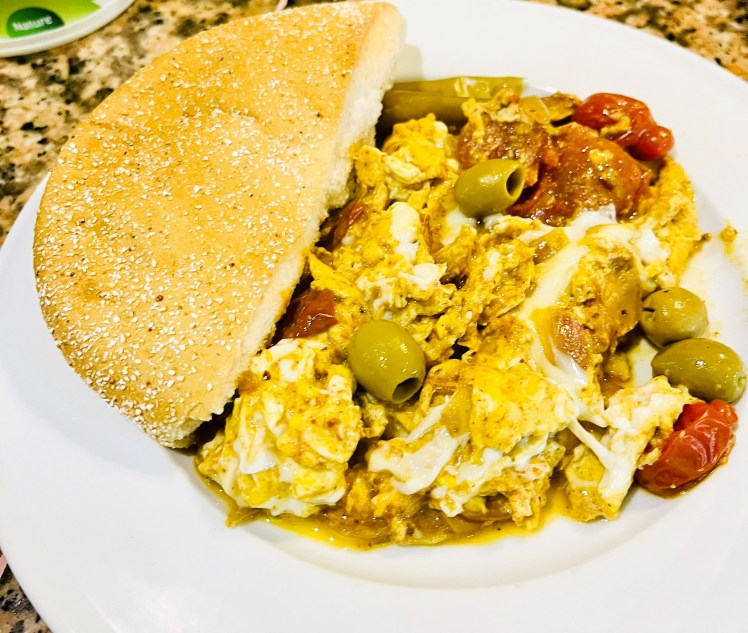
Moroccan Tomato & Onion Omelet
Serves 2
Prep time: 5 minutes
Cook time: 10-12 minutes
Difficulty rating (on a scale of 5): 0.5
Ingredients:
1 small onion, sliced into half moons
2 tsp. olive oil, divided use
15-20 whole small tomatoes (grape or cherry)
1 tbsp. harissa powder (or ½-1 tsp. harissa paste since it’s spicier than the dry mix)
6 eggs
10-15 whole green olives (pitted if you prefer)
2 whole pickled jalapeños, or sliced (optional)
Salt and pepper to taste
Bread of your choosing
Directions:
- Sauté the onions in a non-stick sauté pan with 1 tsp. olive oil over medium heat 5-7 minutes until soft and clear but not brown.
- While the onions sauté, place the tomatoes in a saucepan with the remaining olive oil and season with salt and harissa (more if you like heat; less if you don’t). Cover with a lid and cook on high until the tomatoes burst.
- Add the tomatoes to the onions and stir to combine then crack in the eggs and gently swirl to break the yolks.
- When the eggs are cooked to your liking, divide on two plates and top with olives and jalapeño. Serve with bread (fork optional).
More Moroccan dishes
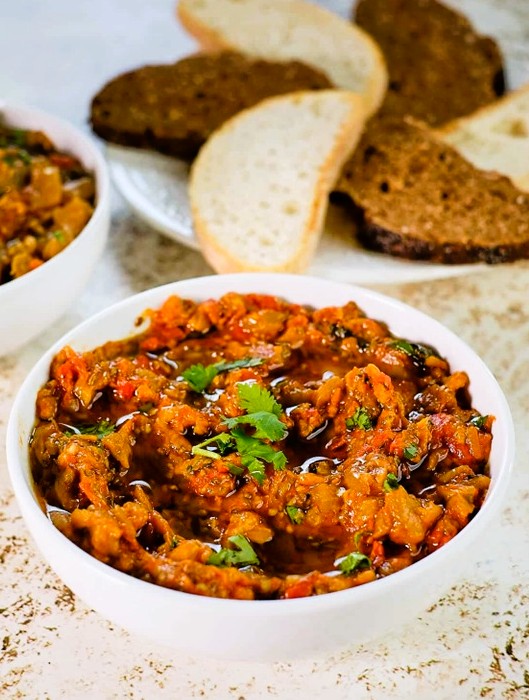
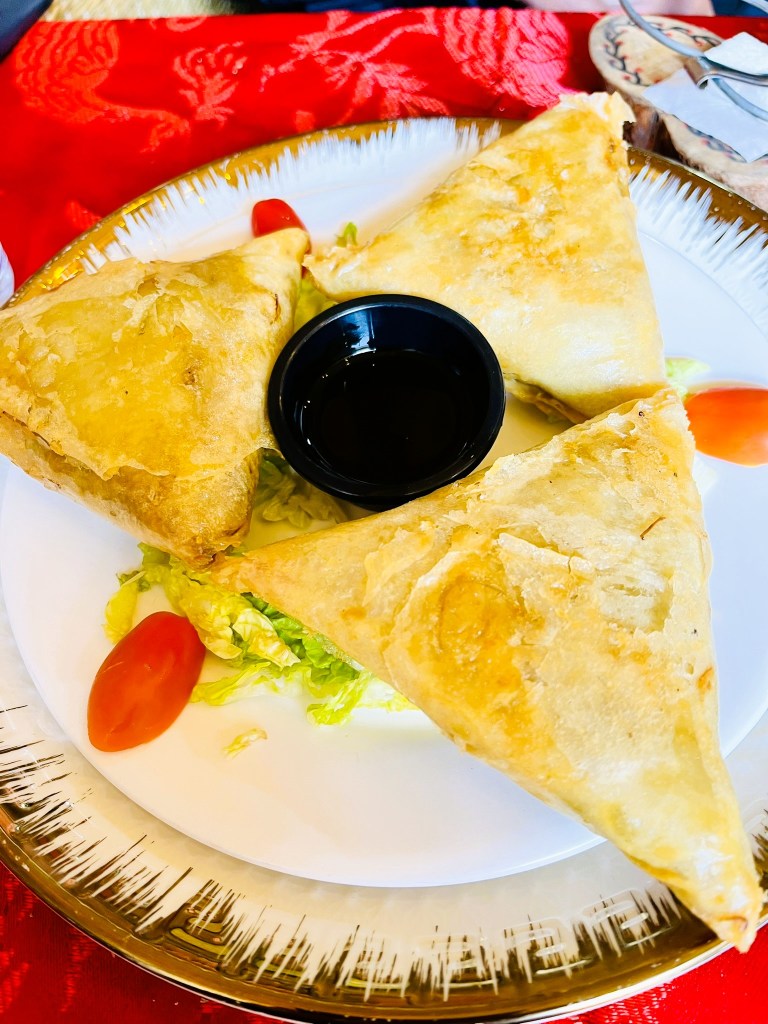
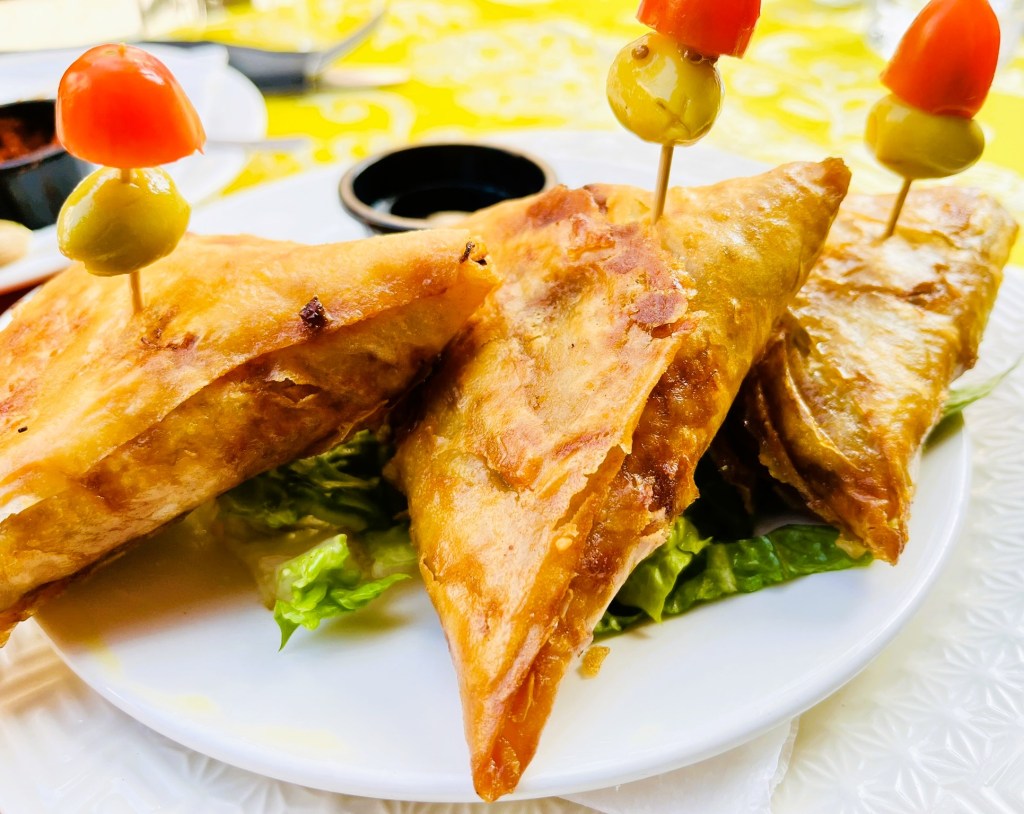
Since our rental apartment in Essaouira lacked an oven, we made notes of other dishes we hope to make in the future like the creamy dip made from roasted eggplant, tomatoes and garlic known as zaalouk and flaky briouattes, triangular hand pies made with chicken, minced meat or cheese traditionally served each evening to break the fast during Ramadan.
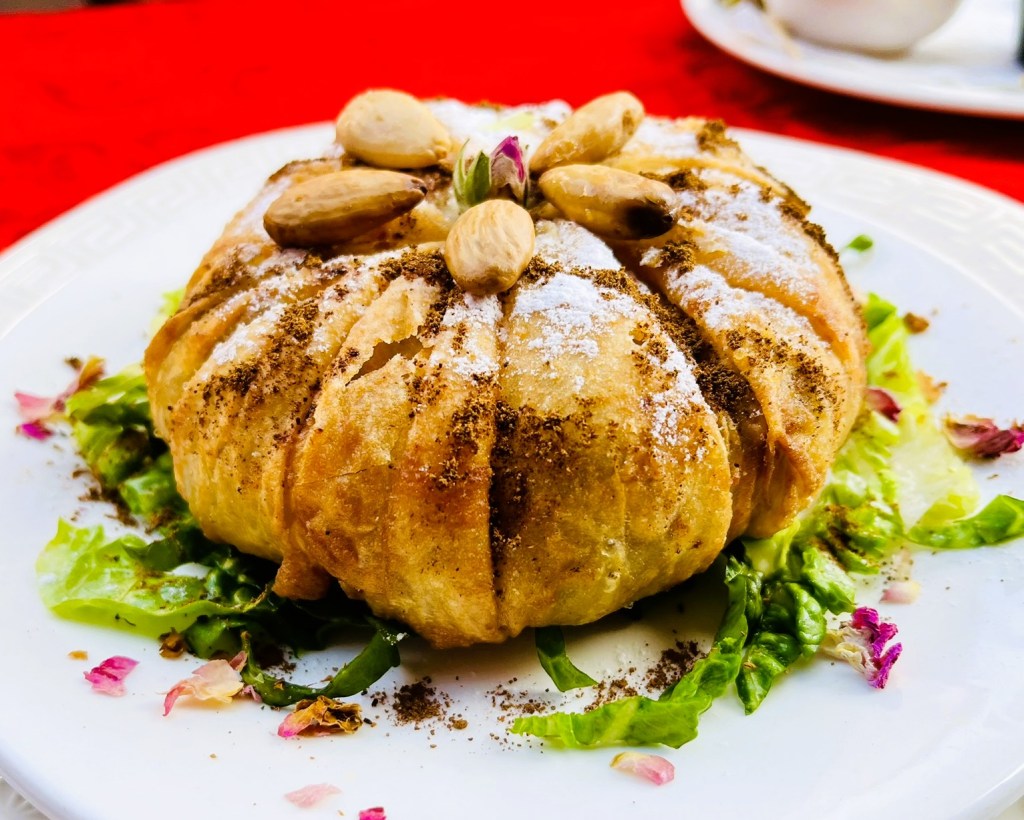
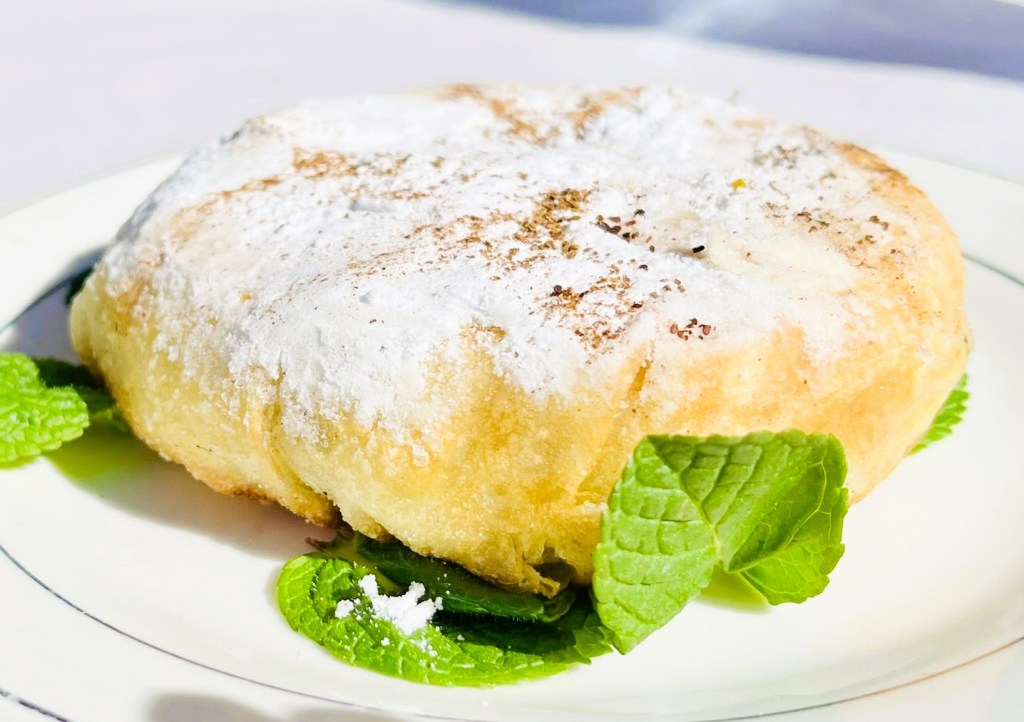
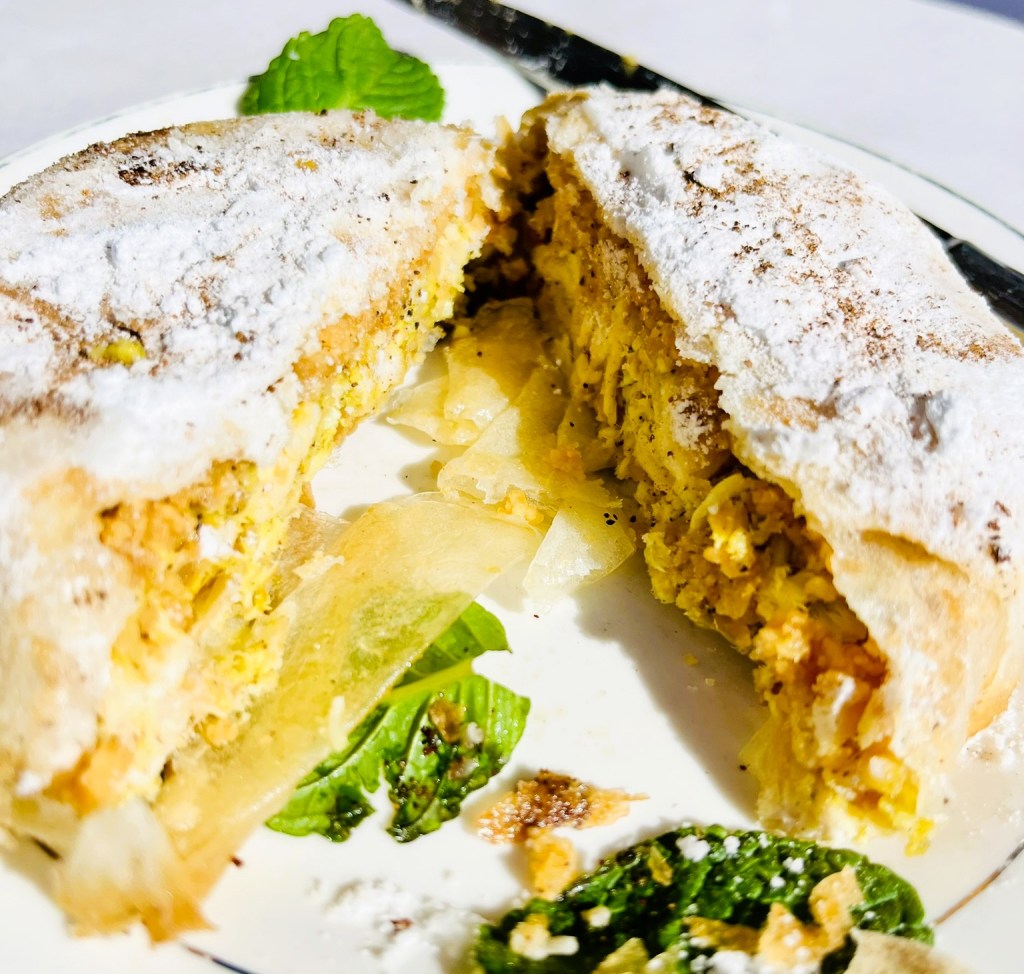
Plus, we can’t wait to make Moroccan pigeon pie. While traditionally reserved for royalty and made with pigeon, most chefs today use chicken perfumed with ras el hanout, crushed almonds and cinnamon wrapped inside flaky phyllo. After baking, the still warm pie gets dusted with cinnamon and confectioner’s sugar for a sweet and savory combination in every bite.
We hope you enjoyed the culinary tour of Morocco as much as we loved bringing it to you. Now that spring is just around the corner, we’re on our way to Sicily and looking forward to eating lots of pasta, pizza, zuppa and risotto along with wonderful produce like baby artichokes, zucchini flowers and wild asparagus. To help us figure out where to start, we’d love to hear your favorite southern Italian dishes, the ones you can’t stop dreaming about. Then we’ll recreate a few at home using products bought in our local mercato.
Until then, we hope you experiment in your own kitchen with the delicious spices of Morocco. We promise you won’t be disappointed!
 Reid & Robie
It all looks tasty. Thanks for sharing. What is couscous?
LikeLike
Like a Moroccan pasta. By itself it’s bland so you have you add vegetables to give it flavor. Delicious and easy to prepare. I highly recommend it!
LikeLike
yum, that all sounds delicious!
LikeLiked by 1 person
Thanks, Lyn. Hope it inspires you to cook some Moroccan cuisine!
LikeLike