
Sicily was Greece, only with richer soil and more sources of seafood and wild game.
– Michael Bennett
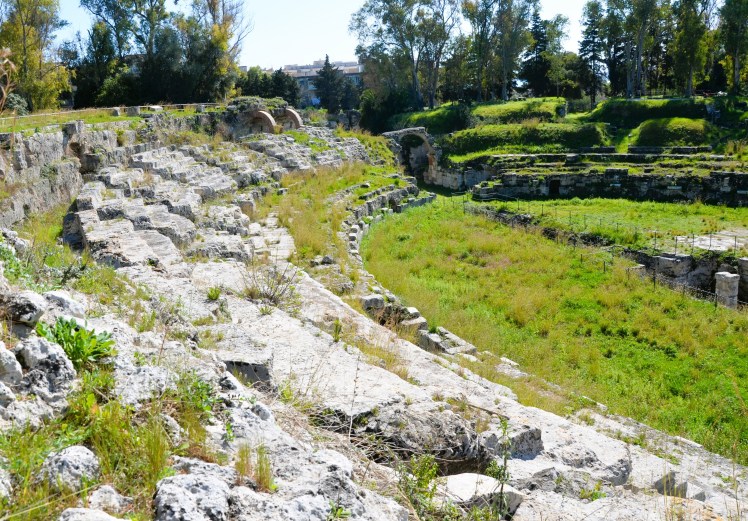
Visiting Syracuse was like being transported to a Greek isle.
Arriving in Sicily during the 8th century BC, Greeks brought democracy and Hellenic culture to the island along with their mythology, fishing techniques and a distinct ‘doric drawl’. From our homebase on Ortigia, the heart of Syracuse and capital of Greek Sicily, Robie and I found ourselves surrounded by the art, history and legends of ancient Greece.
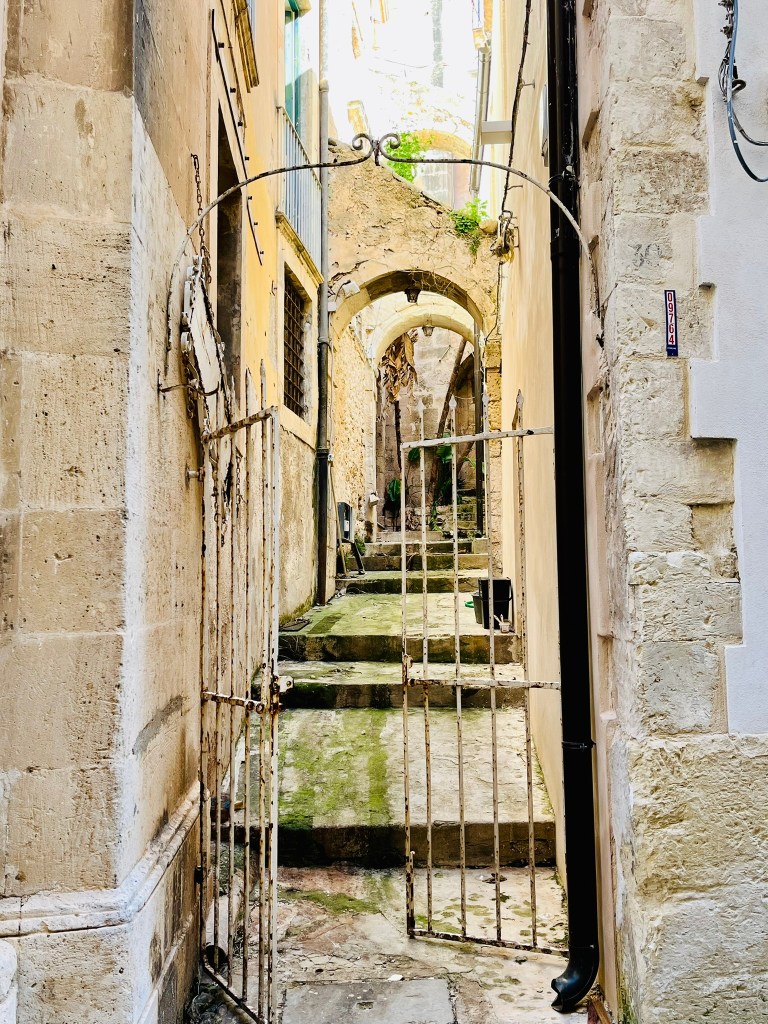
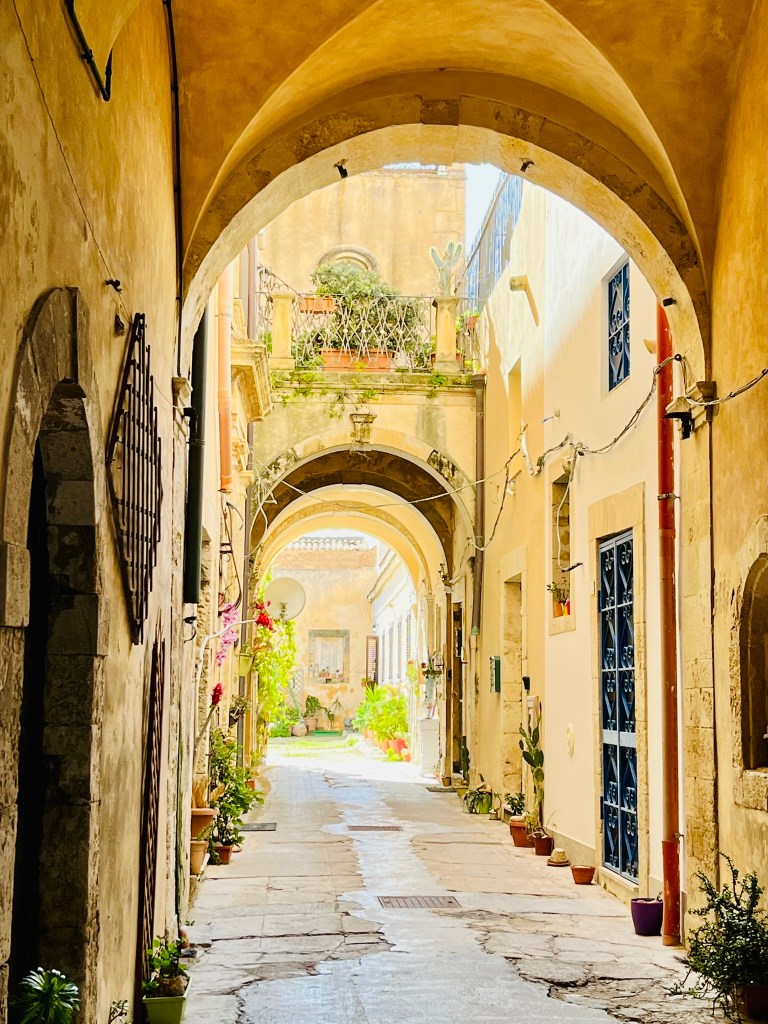
On the way to buy fresh produce and seafood from the market, we passed the ruins of Apollo’s former temple while nearby winding alleys led to a concentration of old homes where Greek families once lived in Syracuse’s close-knit fishing community. Today, the neighborhood buzzes with the sound of construction turning timeworn buildings into modern apartments.
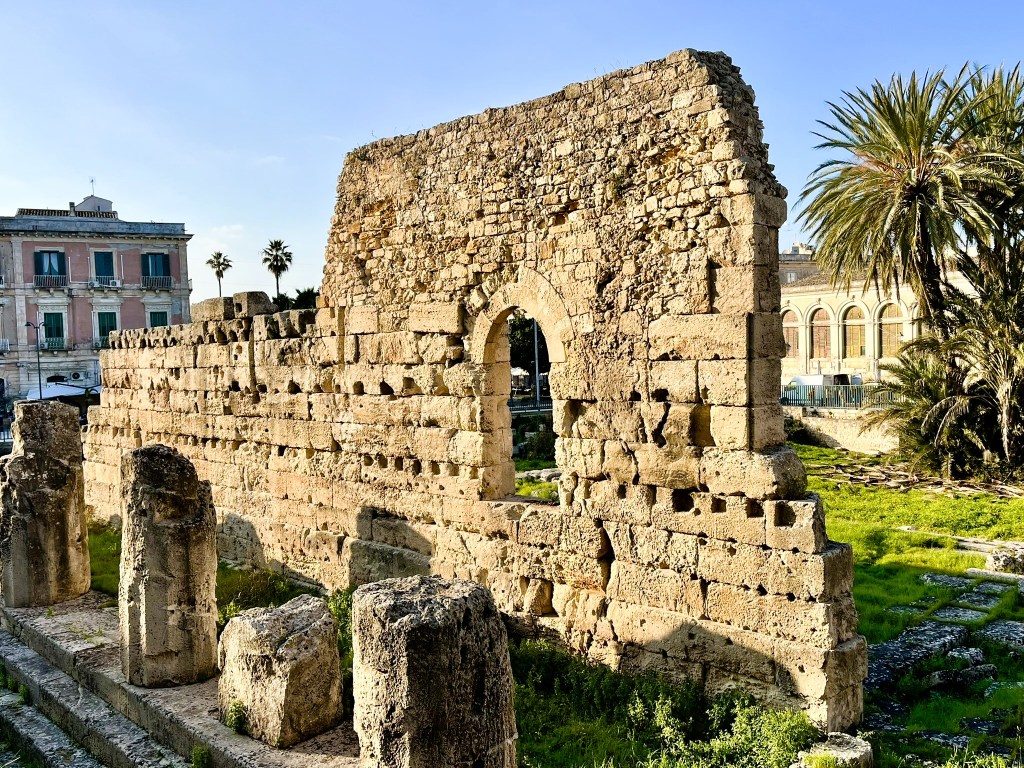
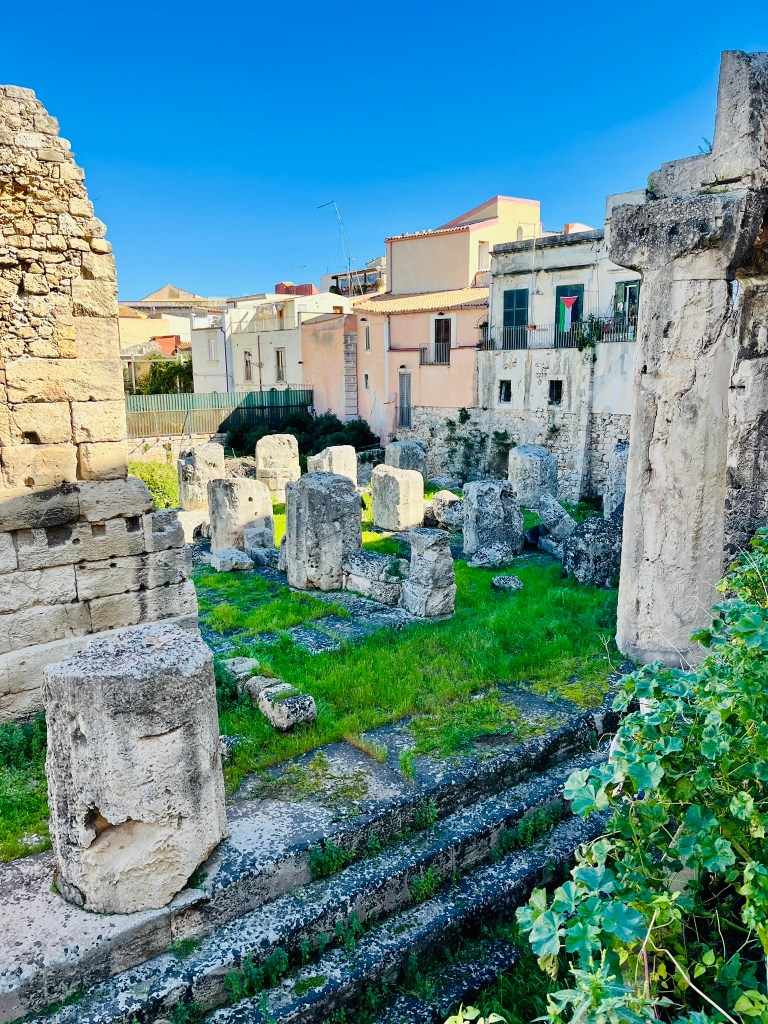
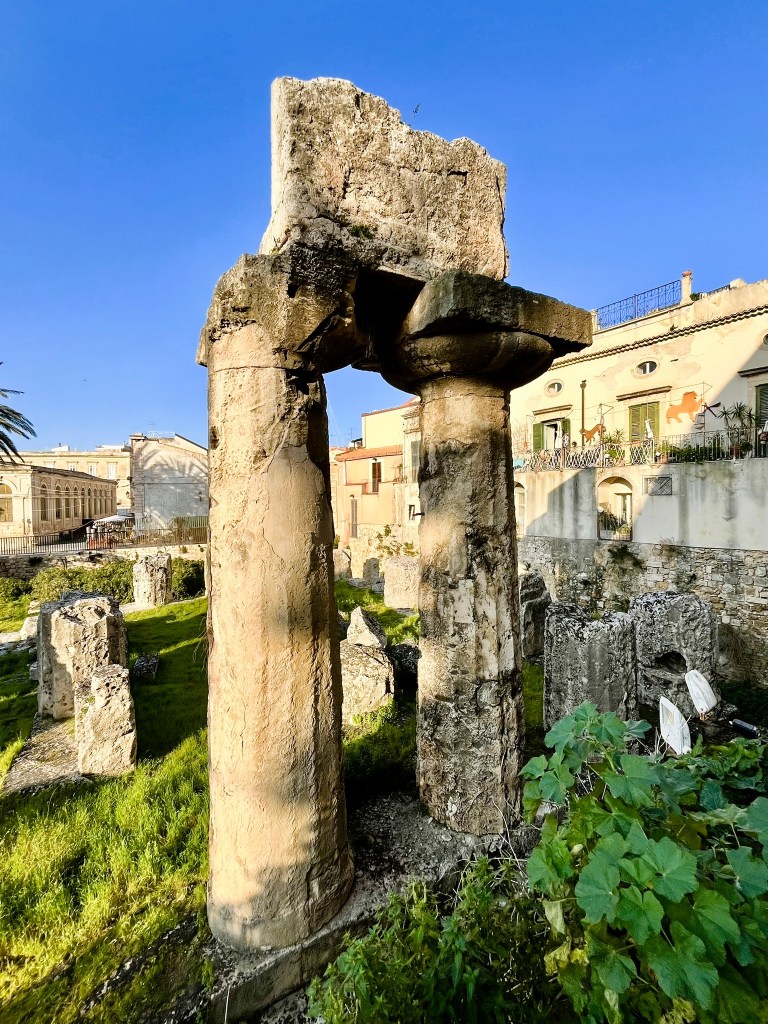
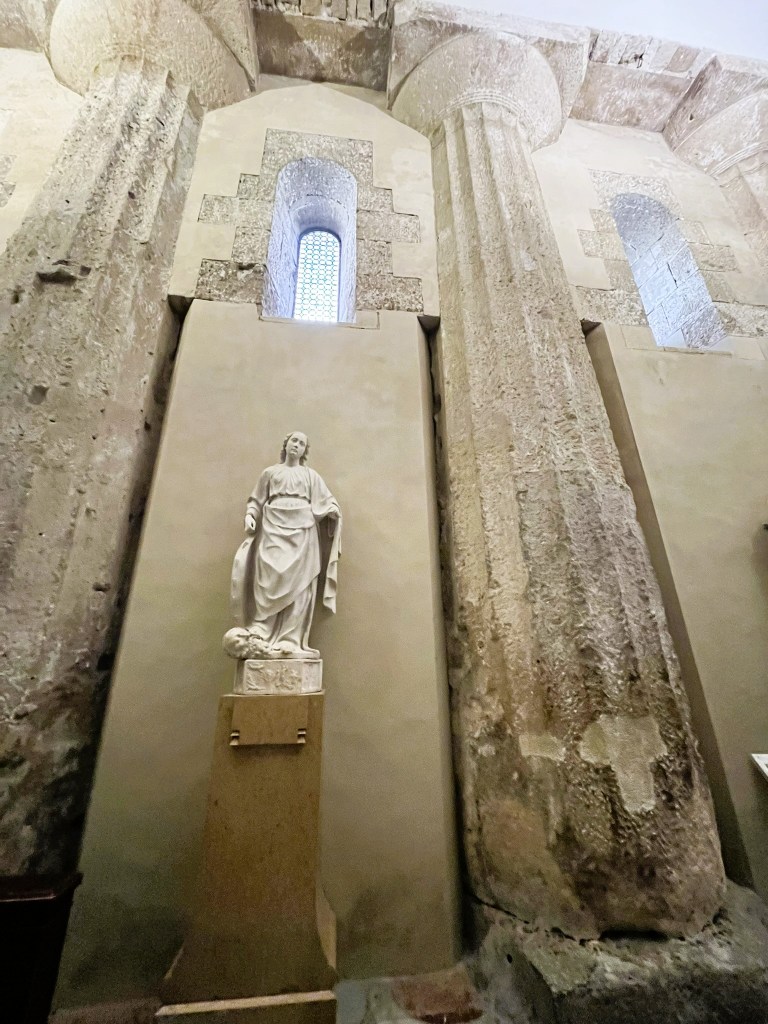
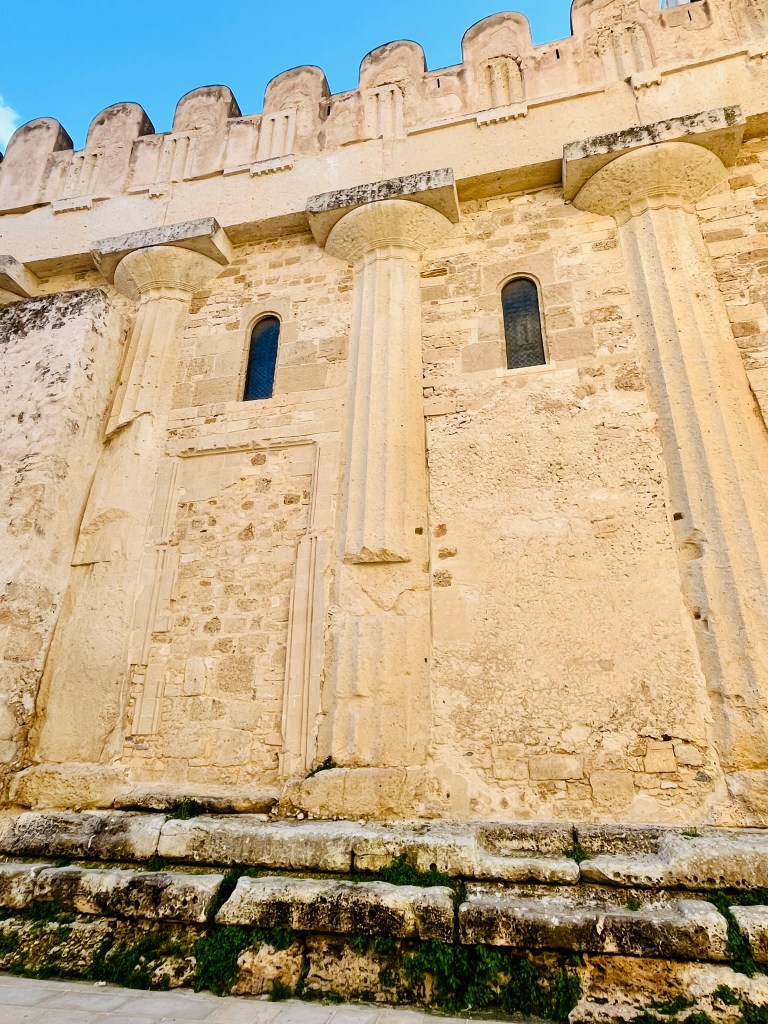
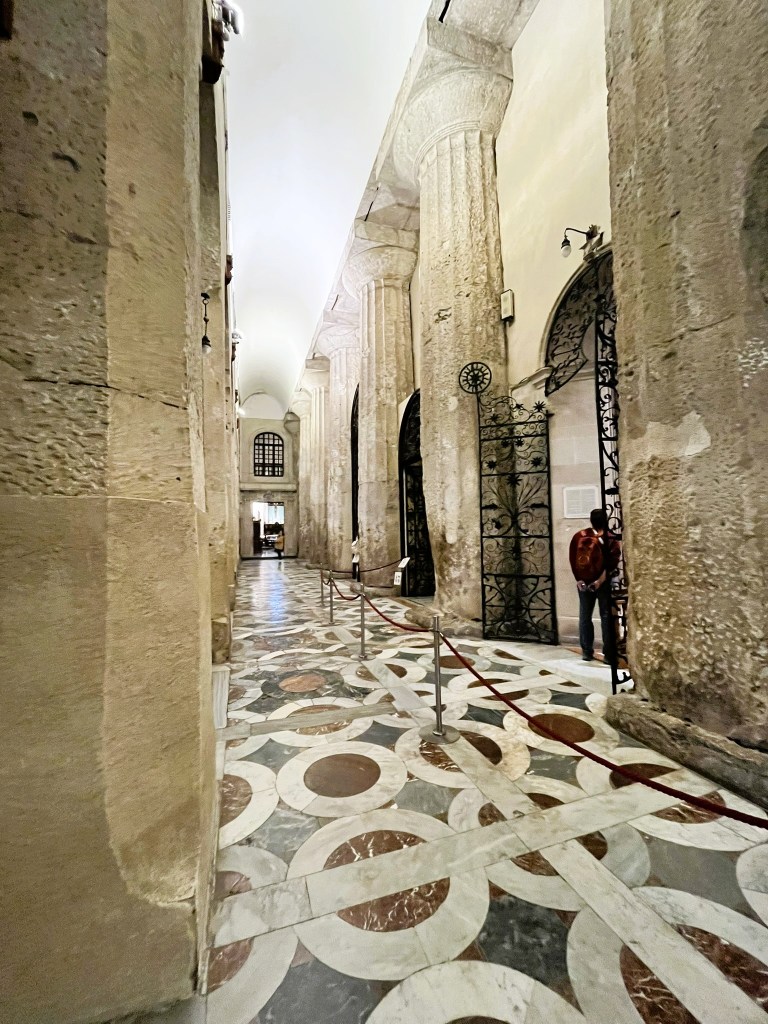
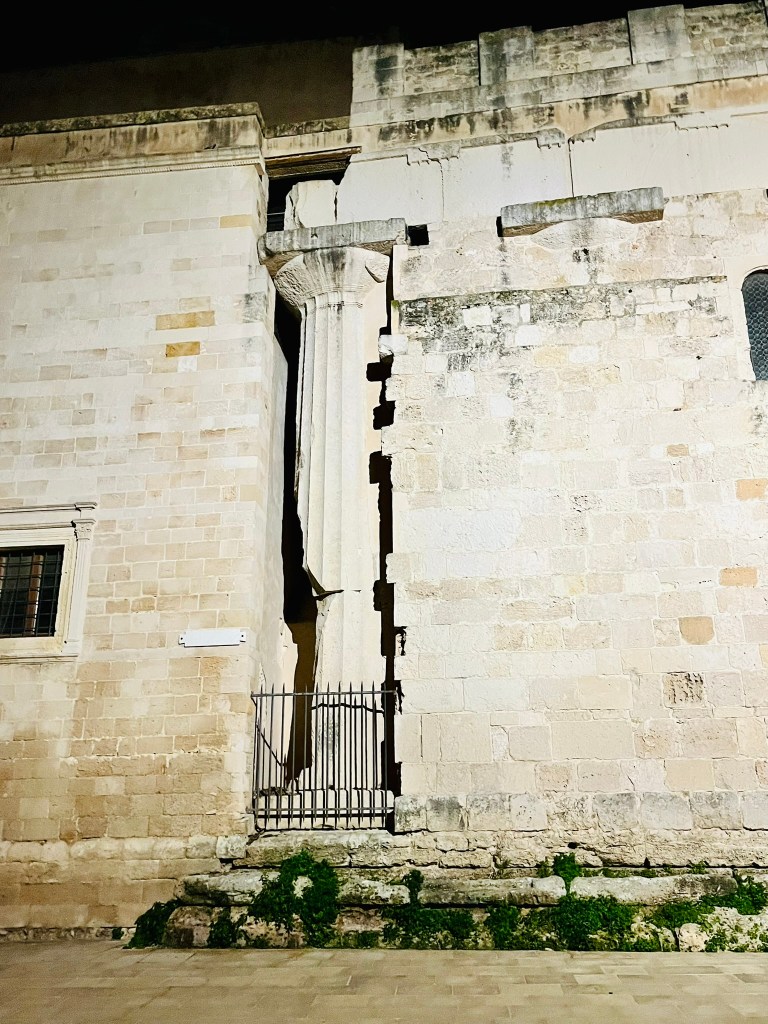
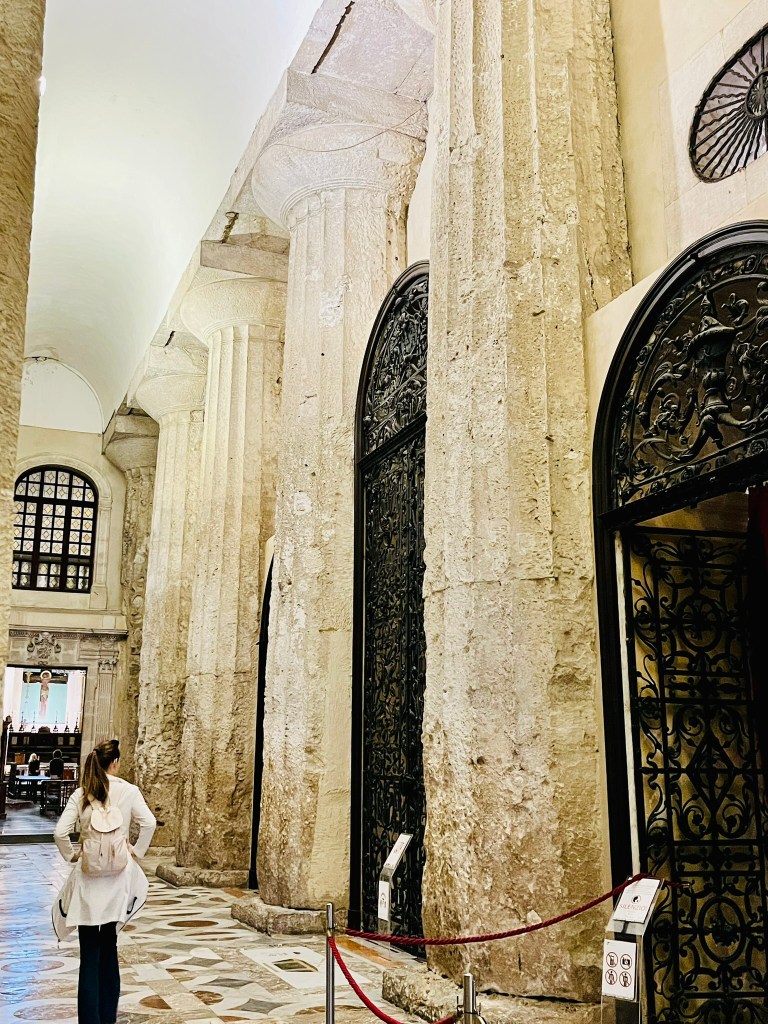
On Sundays Robie and I attended mass inside a church built atop the Temple of Athena with original 5th century BC columns visible inside and out.
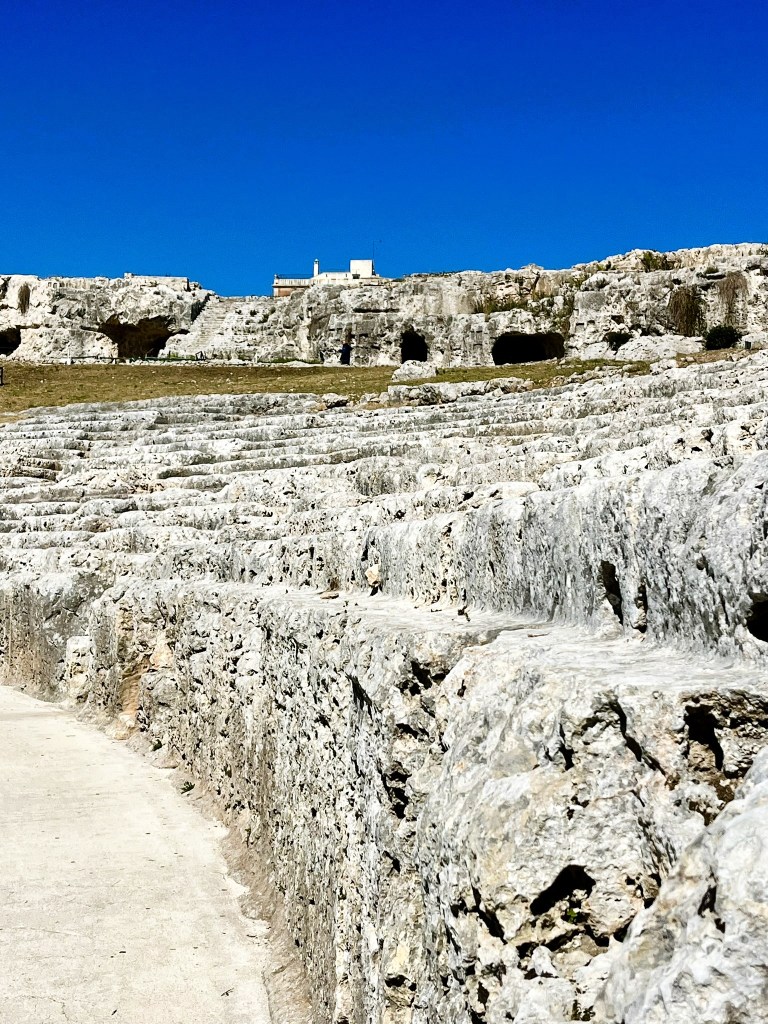
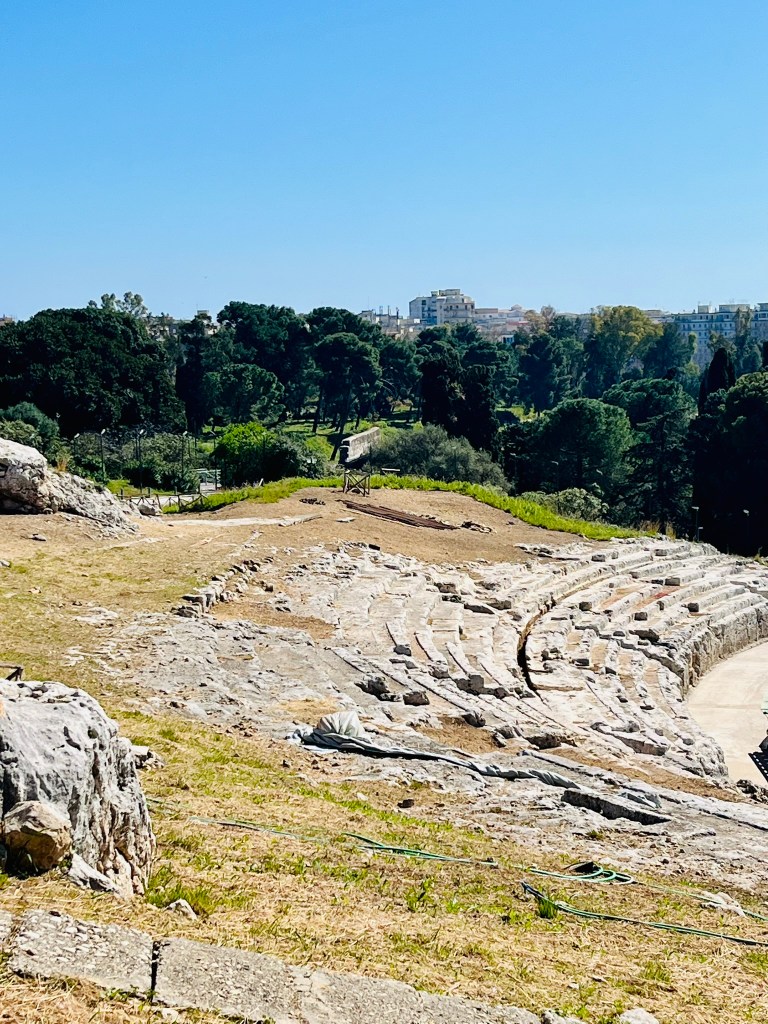
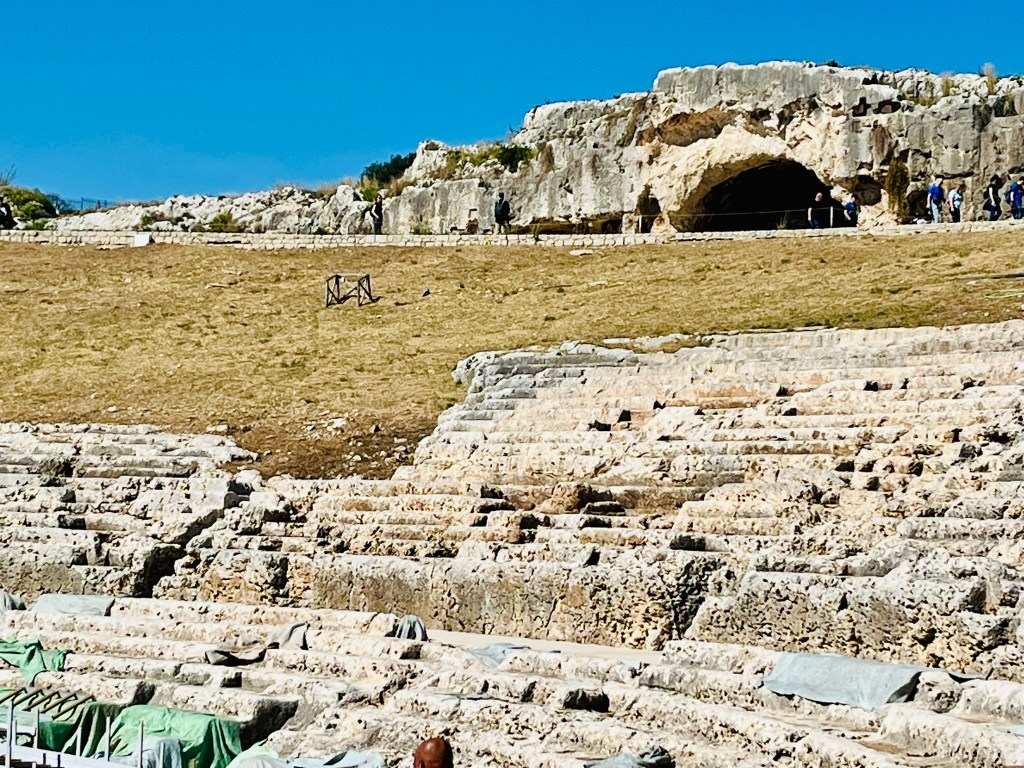
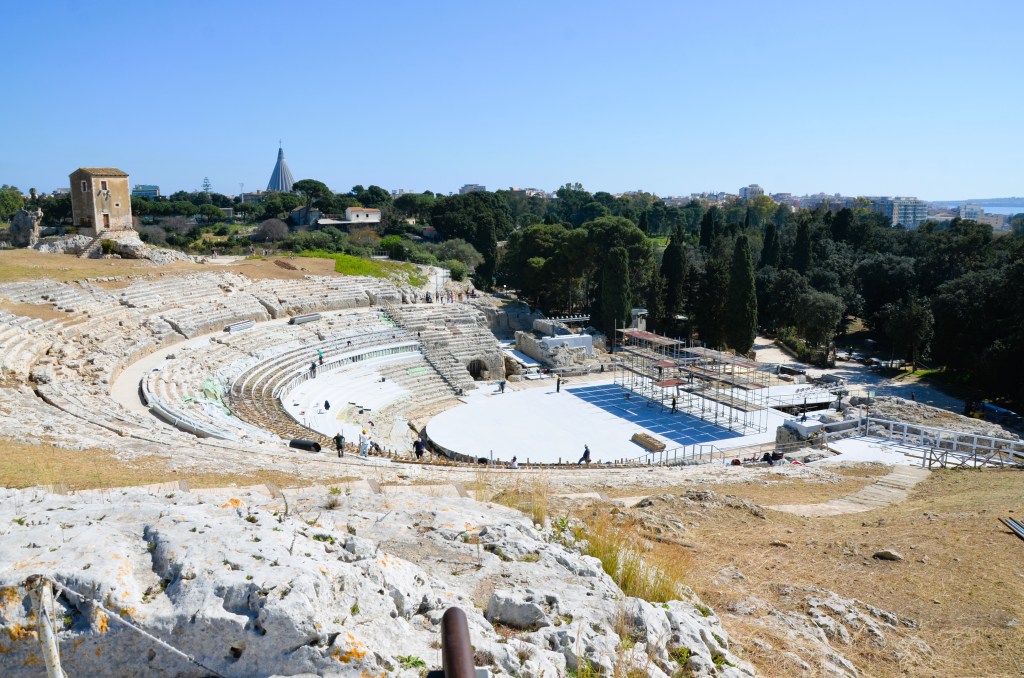
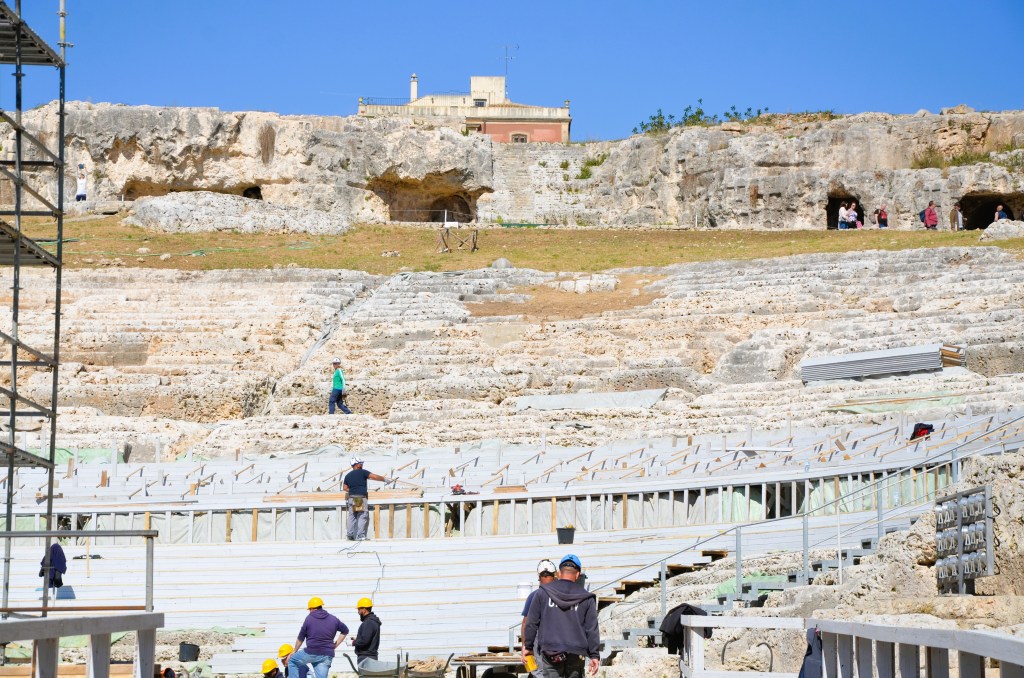
At the Archaeological Park we walked around one of the largest Greek theaters in the world, a venue that still hosts classic Greek performances. Not far from the park, we studied the collection of Greek artifacts in the Paolo Orsi Archaeological Museum, one of the most important museums of Classical Art in Europe.
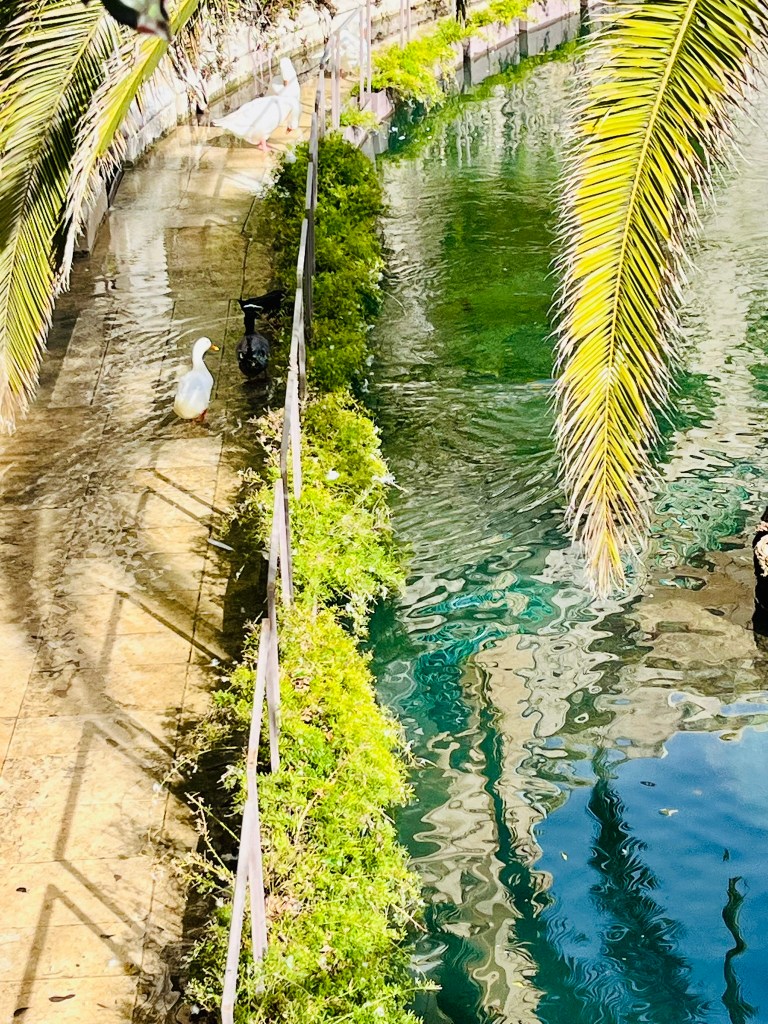
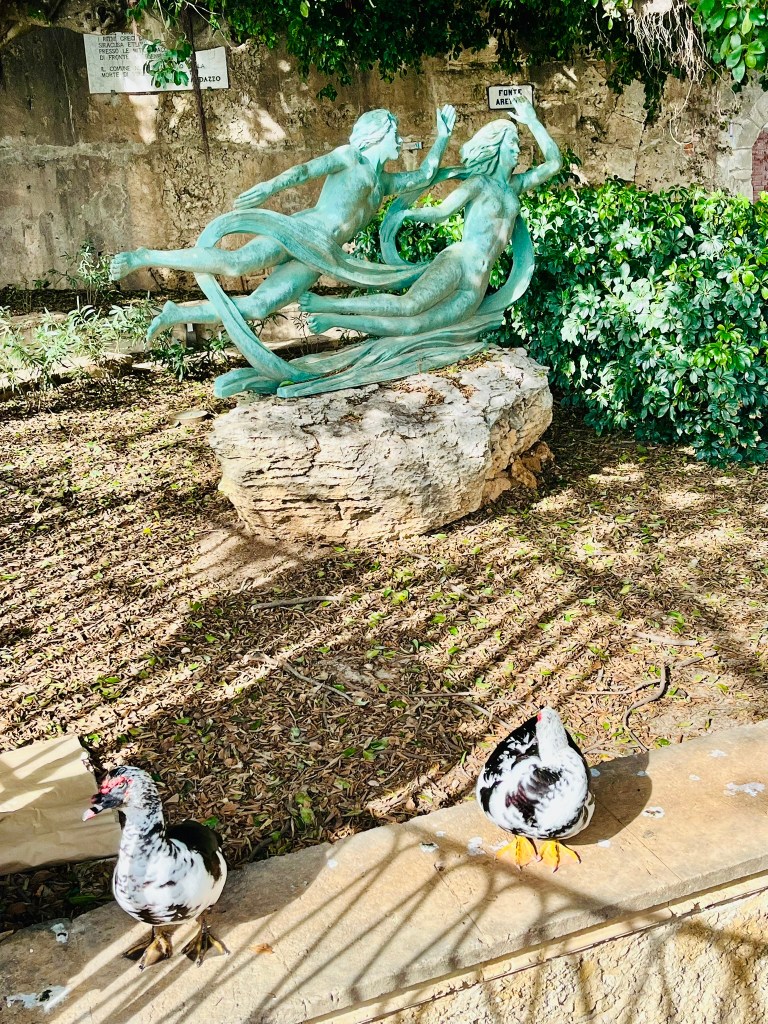
On the west side of Ortigia we visited the freshwater spring named for a water nymph Arethusa. Chased by a lustful river god, Arethusa sought aid from the Greek goddess Artemis who saved the sprite by turning Arethusa into the fount.
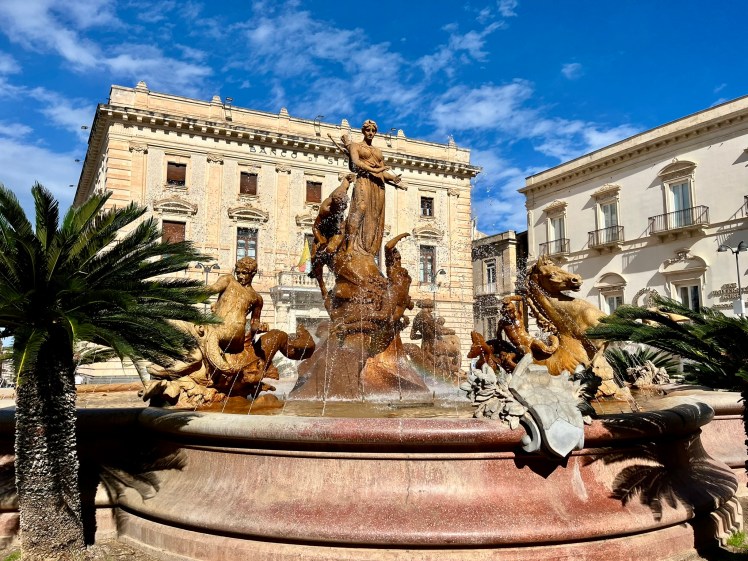
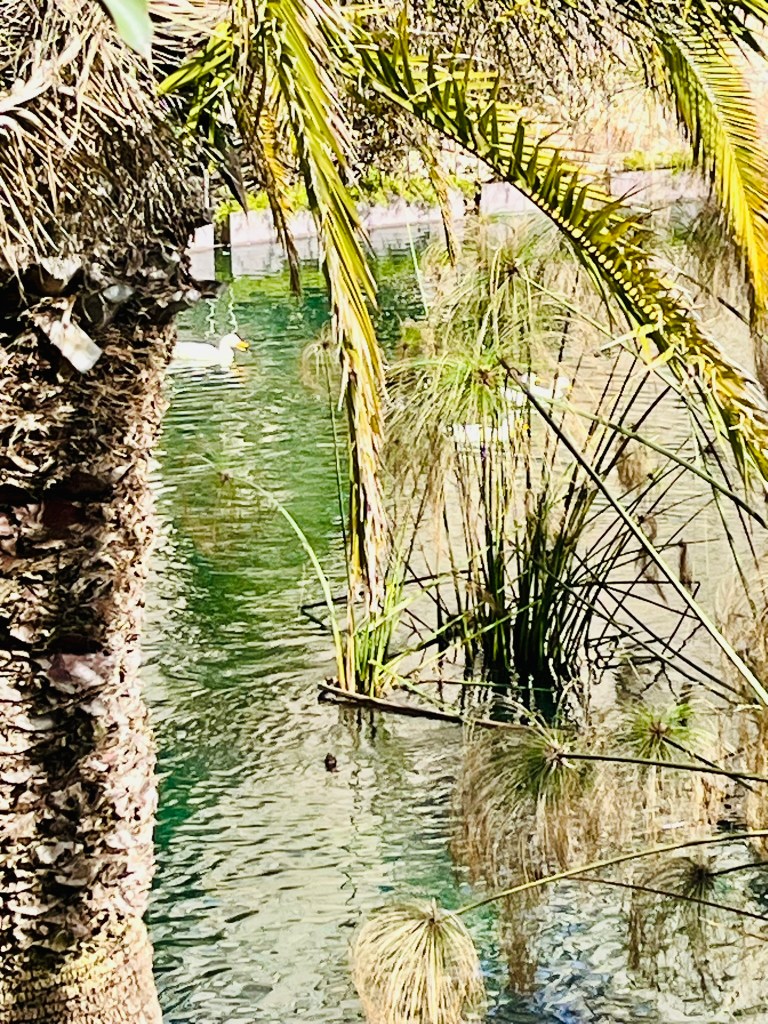
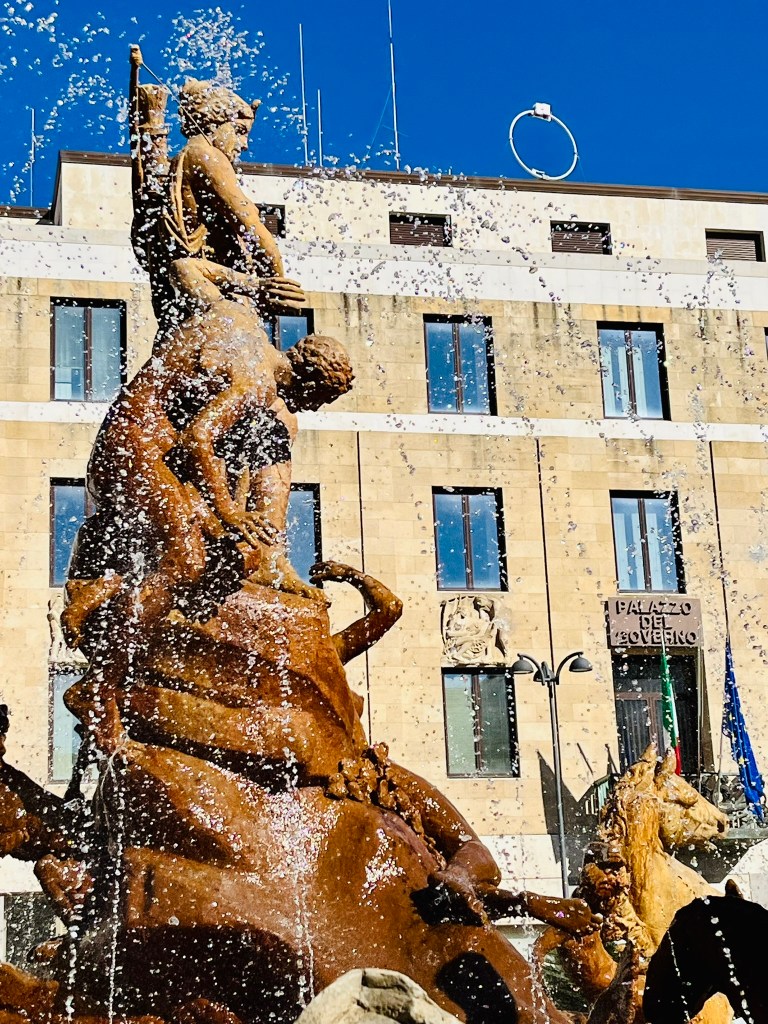
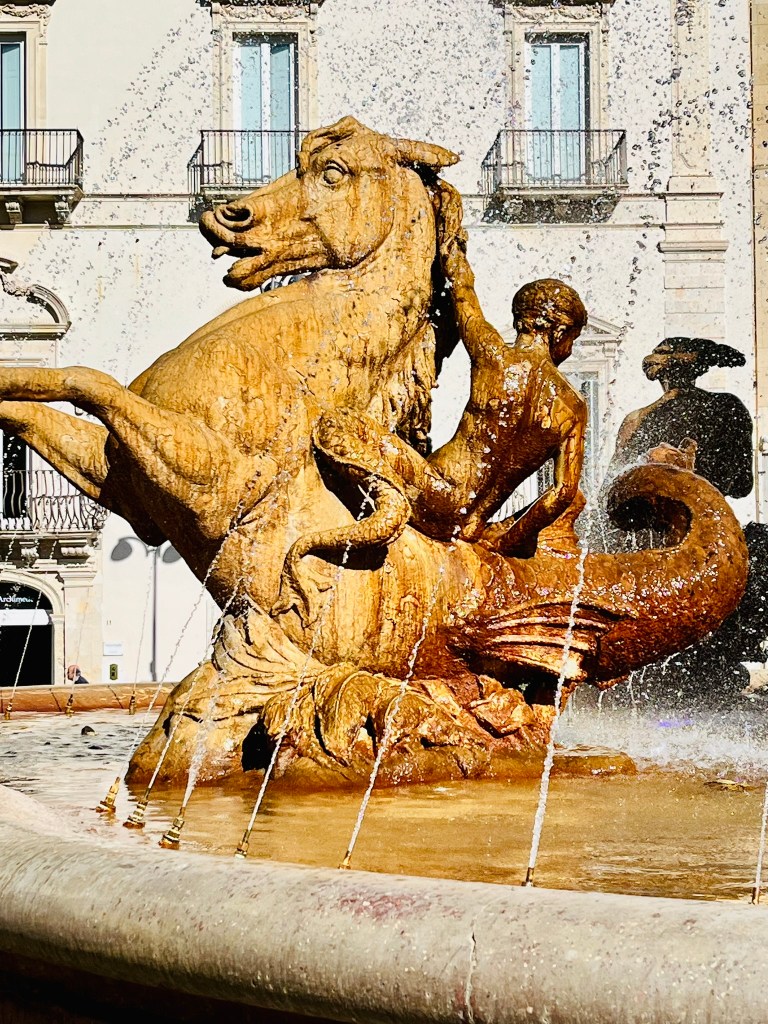
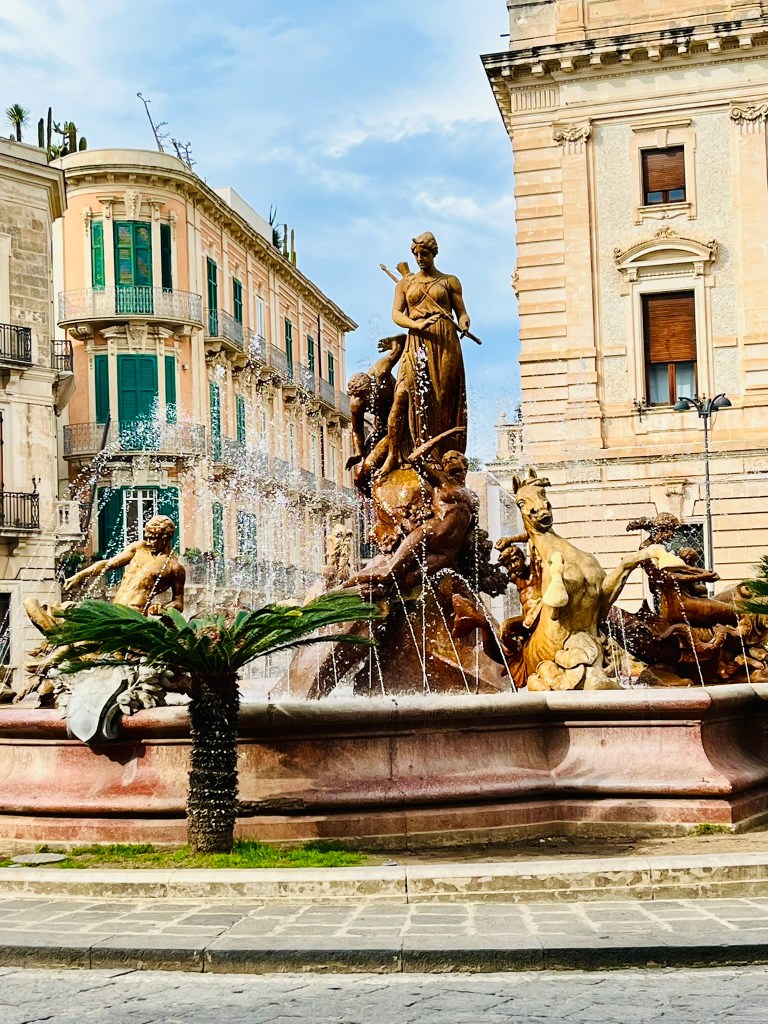
In the center of Ortigia we wandered around Piazza Archimede, a square named for the famous Greek scientist and inventor. In the center of the piazza sits a fountain depicting a scene from Arethusa’s mythical transformation. Surrounded by Tritons, Diana (the Roman name for Artemis) watches Arethusa’s escape, ready with a bow and arrow to protect the nymph as she morphs into the nearby spring where today migrating geese swim among papyrus.
Understandably proud of this heritage, Syracusans aren’t shy about highlighting their Greek cultural legacy. But venture away from the museums, ruins and temples and a different picture of the city emerges. At restaurants across town, Robie and I were constantly reminded of Sicily’s violent past. Strategically located in the middle of the Mediterranean, the island was conquered by a succession of powerful empires – Roman, Byzantine, Arabic, Norman, Spanish. As the repeated invasions made Syracuse the original melting pot of Europe, they forever altered the local cuisine.
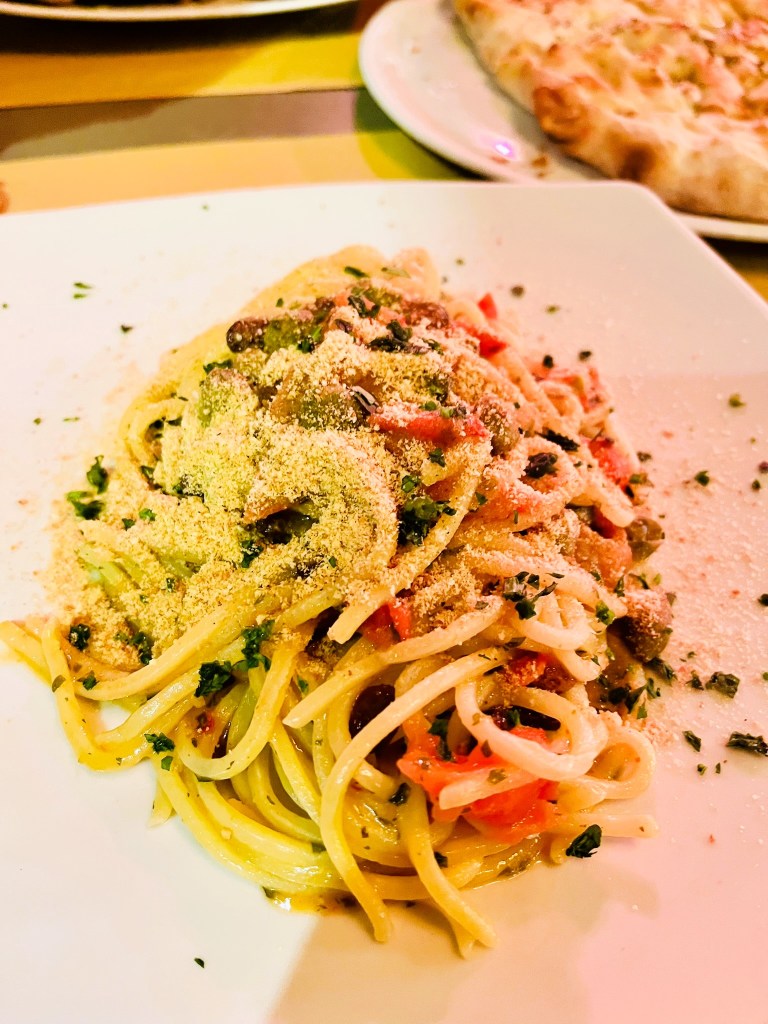
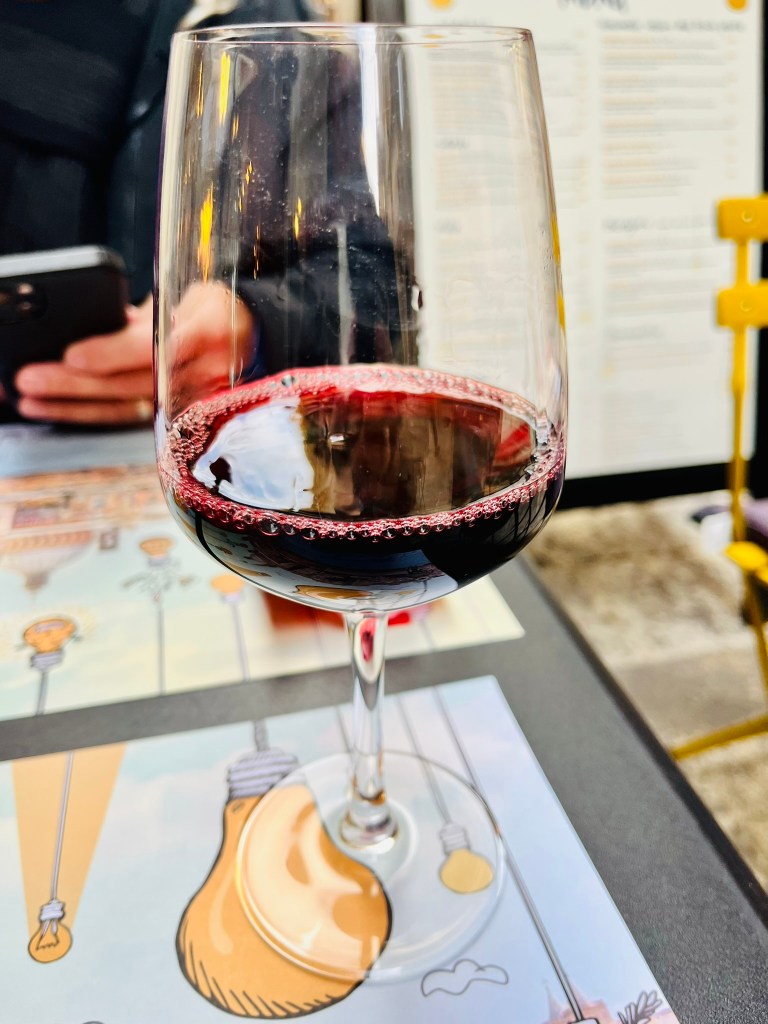
With the arrival of the Greeks came sheep cheese, olives and wine including the famous Nero d’Avola grape that thrives in the limestone-rich soil around Syracuse. Romans introduced durum wheat and showed the locals how to pair their pasta with cheap, native ingredients like anchovies, garlic, capers and toasted breadcrumbs in pasta alla Siracusana.
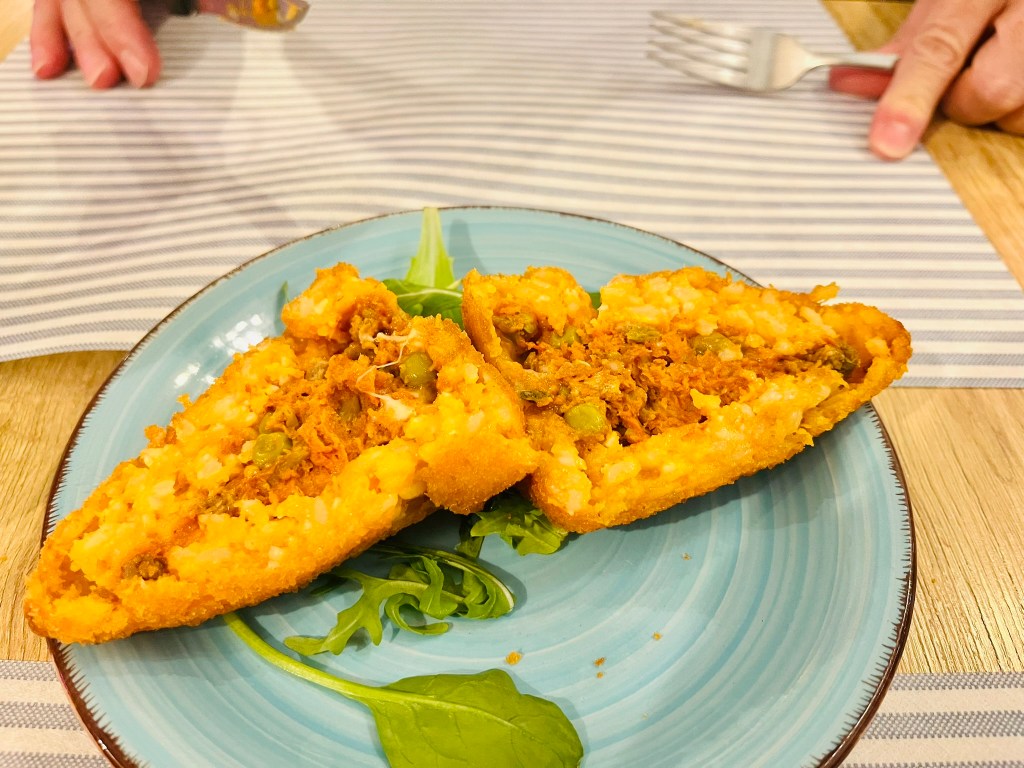
Following the Arab conquest, Syracusans began growing citrus, pomegranates, almonds and especially pistachios, an ingredient local chefs use to make ice cream and ladle over ravioli, tagliatelle or Sicilian gnocculi, gnocchi made with wheat instead of potatoes. Bringing rice and spices from North Africa, Arabs introduced arancini, a beloved street food made from deep fried, saffron-laced, rice balls filled with meat and peas. They also brought the ingredients for tangy-sweet agrodolce sauce used in caponata and a typical Syracusan breakfast made from shaved iced flavored with coffee, fruit or pistachio butter.
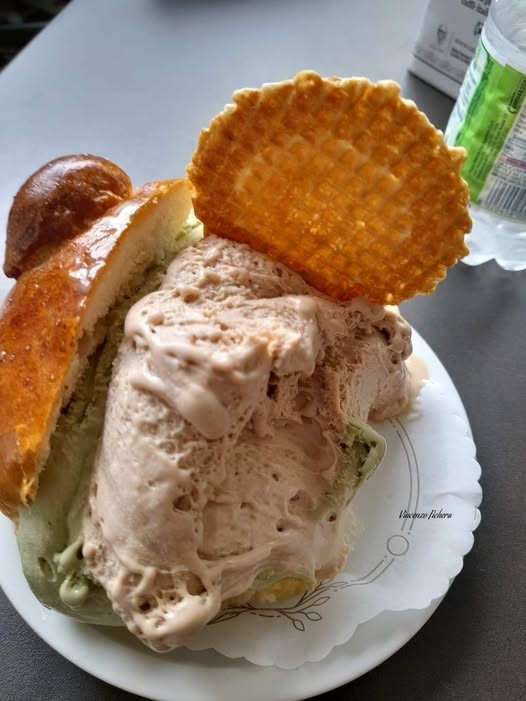
French Normans introduced brioche-style bread, a decadent vessel locals use to enjoy a favorite scoop of ice cream while Spain brought ingredients from the New World like tomatoes to wrap inside scacce, a folded flatbread influenced by the Spanish empanada. But when Spaniards introduced cacao, they revolutionized a Sicilian classic. At our favorite sweet shop in Syracuse, a cannoli order always began with a deep-fried shell rimmed in chocolate before being filled with sweet ricotta cream and a generous sprinkling of pistachios.
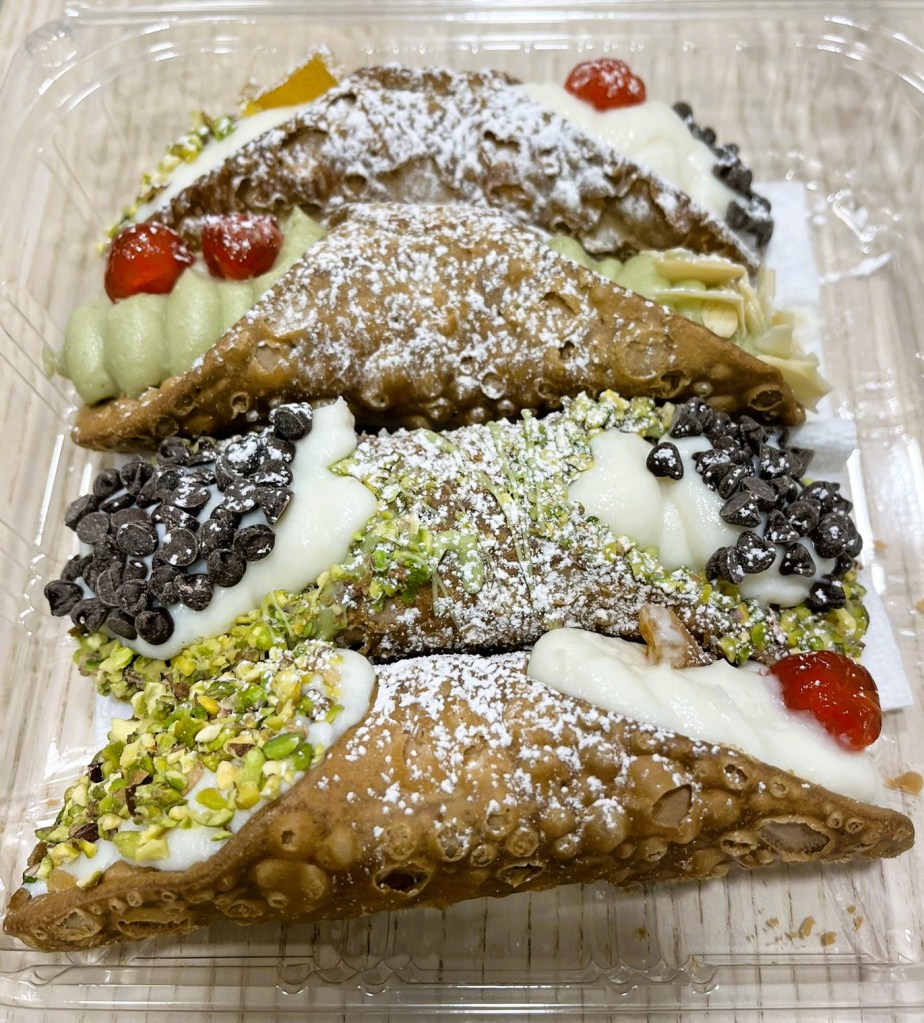

While a tour of Syracuse felt like taking a trip through ancient Greece, the city’s food scene reminded us how each of the conquerors brought something new to the table, allowing locals to blend the flavors of Greece, Rome, North Africa, France and Spain into one of Italy’s best-loved cuisines.
 Reid & Robie